The Clair Hanks Huxtable Effect: How a Sitcom Matriarch Redefined Motherhood, Law, and Leadership
The Clair Hanks Huxtable Effect: How a Sitcom Matriarch Redefined Motherhood, Law, and Leadership
Clair Hanks Huxtable emerged as a cultural reset button in 1980s television, blending the poise of a corporate lawyer with the fierce devotion of a mother. Over eight seasons on "The Cosby Show," she navigated boardrooms and birthday parties with equal grace, challenging stereotypes about women in the workforce and redefining the television family. Decades after the show's finale, her legacy endures as a benchmark for competence, compassion, and quiet authority.
The character, brought to life by Phylicia Rashad, was not a caricature of perfection but a meticulously crafted portrait of a woman who managed complexity without losing her center. Clair’s journey from a young attorney balancing case files with infant care to a respected partner in her marriage and a pillar of her community offered a template for modern working mothers. Her story continues to resonate in discussions about representation, professional ambition, and the invisible labor of maintaining a household.
The Birth of a Modern Matriarch: Creation and Casting
When "The Cosby Show" premiered in 1984, television was largely dominated by broad, sometimes buffoonish family sitcoms. Clair Huxtable, alongside her husband Cliff, was conceived as a sharp, educated Black couple whose life was a testament to stability and achievement. The show’s creator, Bill Cosby, envisioned a family that reflected his own values and accomplishments, but it was Clair who became the emotional and moral anchor of the narrative.
Casting was a critical step in realizing this vision. Phylicia Rashad, then known for her role on "Search for Tomorrow," was chosen for her ability to convey intelligence and warmth simultaneously. Her background in theater and television prepared her for the dual demands of the role—delivering rapid-fire legal jargon one moment and soothing a child’s scraped knee the next. Rashad has often spoken about the precision required in her performance, noting the need to balance authority with approachability.
"She had to be the smartest person in the room, but also the most nurturing," says media scholar Dr. Evelyn Brooks, author of several texts on Black representation in media. "Clair wasn't just a mother; she was a partner, a professional, and a leader. That layered portrayal was revolutionary for its time."
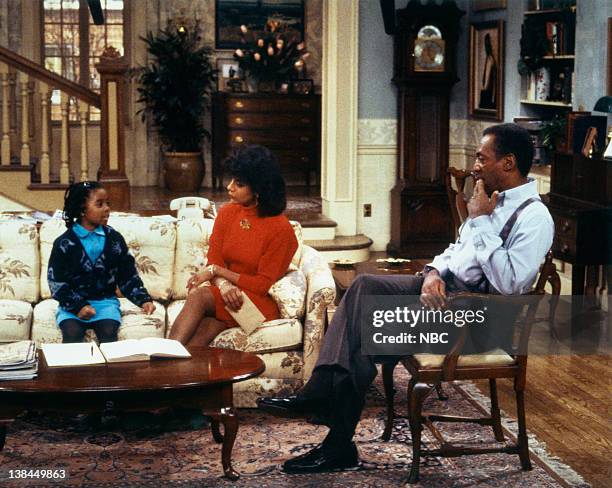
The show’s setting, a spacious Brooklyn brownstone, served as a visual metaphor for the Huxtables' success. Yet, it was Clair’s interior spaces—her home office, the kitchen table, the living room floor where she counseled her children—that became the true battlegrounds of her life. These intimate settings showcased her multitasking abilities, from reviewing legal briefs to mediating sibling disputes, all while maintaining a calm, measured demeanor.
Professional Excellence: Clair as a Trailblazer for Women in Law
Perhaps the most groundbreaking aspect of Clair’s character was her career. While many sitcom mothers of the era were depicted as homemakers or held undemanding jobs, Clair Huxtable was a high-powered attorney at a prestigious law firm. Her professional life was not a subplot; it was a central pillar of her identity.
Her cases, though often resolved within a 30-minute episode, were depicted with a sense of gravitas. She argued constitutional law, navigated complex litigation, and commanded respect in rooms dominated by men. This portrayal challenged the pervasive stereotype that women had to choose between career and family. Instead, Clair demonstrated that one could pursue professional ambition while being deeply committed to one's children.
Key elements of her professional persona included:
* **Intellectual Rigor:** Clair was rarely shown without a legal pad or briefcase. Her preparation was meticulous, and her arguments were logical and articulate.
* **Financial Independence:** Her income was a fact of family life, contributing to the household budget and funding the family’s aspirational lifestyle. This economic agency was a powerful statement.
* **Ethical Compass:** She frequently grappled with the ethical dilemmas of her profession, teaching her children about justice, integrity, and the complexities of the legal system.
Clair’s influence extended beyond the screen. She became a symbol for the growing number of women entering the legal profession in the 1980s and 1990s. Her calm assertiveness in the courtroom translated into a broader cultural message: women in law were not anomalies, but a rising force.
Motherhood Redefined: The Emotional Architecture of the Huxtable Home
While Clair’s professional life was significant, her role as a mother was perhaps her most enduring legacy. She refused to caricature motherhood as either sacrificial martyrdom or effortless joy. Instead, she embodied a modern, democratic approach to parenting—one that was firm, fair, and deeply affectionate.
Clair’s parenting style was characterized by reason over rage. When her children misbehaved, she often employed logic and consequence, explaining the "why" behind the rules. She was a listener, often kneeling to speak with her children at their eye level, validating their feelings even while correcting their actions. This approach fostered a sense of respect and open communication within the Huxtable household.
Consider these defining maternal moments:
1. **The Kitchen Table Counsel:** Countless episodes began with a child seeking Clair’s advice at the kitchen table. She would listen intortently, asking probing questions before offering wisdom. This space became a symbol of unconditional support and non-judgmental guidance.
2. **The Working Mother Dialogue:** Clair frequently addressed the challenges of juggling a career and children head-on. She taught her daughter Sondra about the importance of education and independence, while also showing her son Theo the value of respect and responsibility.
3. **The Partnership with Cliff:** Clair and Cliff presented a united front. Their marriage was depicted as a partnership of equals, with shared duties and mutual respect. This dynamic provided a powerful model for healthy family relationships, demonstrating that fatherhood and motherhood are complementary, not hierarchical.
Her famous line, "You stepped into my office, you took the oath," when disciplining her children, encapsulated her unique approach. She brought the same principles of justice and accountability from her courtroom to her living room, creating a home grounded in structure and love.
Cultural Impact and Lasting Legacy
The impact of Clair Huxtable transcended ratings and awards. She was a blueprint for a generation of viewers, particularly young Black girls, who saw a version of themselves that was intelligent, powerful, and deeply loving. She normalized the image of a Black professional woman as a household leader and a source of pride.
Her influence can be seen in the countless characters that followed in her footsteps—women like Leslie Knope, Annalise Keating, and Olivia Pope, who all carry a piece of Clair’s DNA. They are all professionals and mothers, navigating impossible demands with wit, intelligence, and a core of strength.
Media historians often point to Clair Huxtable as a watershed moment. She moved beyond the "angry Black woman" or the "docile maid" archetypes, offering a nuanced figure of agency and intellect. Her style, a blend of power suits and practical maternity wear, became iconic, influencing fashion and perceptions of working motherhood.
Decades after "The Cosby Show" went off the air, the conversation around Clair Huxtable has evolved, complicated by the real-life scandals involving Bill Cosby. Yet, the character she created remains a powerful artifact of television history. Her journey from a young lawyer balancing a diaper bag to a seasoned judge commanding a courtroom is a testament to the strength of women who refuse to compartmentalize their lives. Clair Huxtable was not just a sitcom mother; she was a vision of what a modern leader—at home, in the courtroom, and in the world—could truly be.
Related Post
Uncovering the Hidden Roots of the Beloved Huxtable Family: What You Need to Know About Clair Hanks Huxtable's Secret Family Ties
Uncovering The Jaw-Dropping History Of Clair Hanks Huxtable: A Life of Triumph and Tragedy


