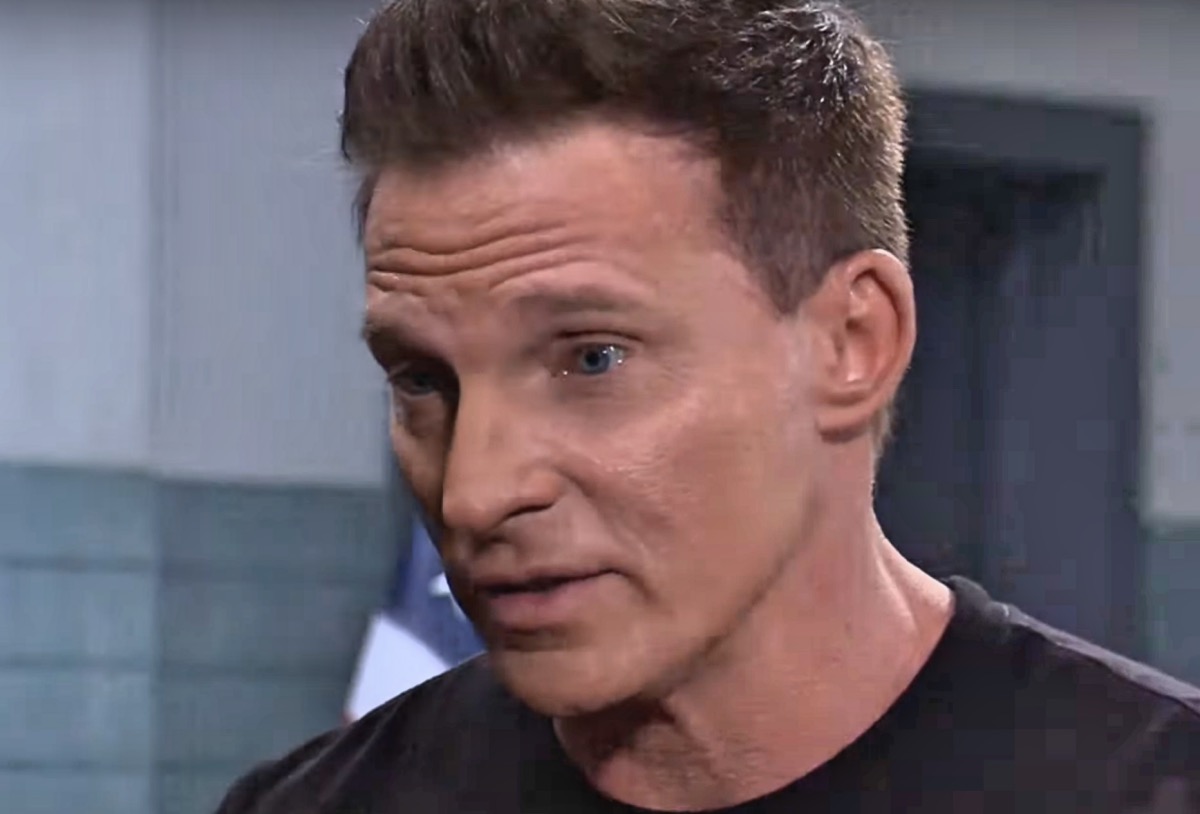
The Complete CSI Cast: How Crime Scene Investigation Turned Forensics Into Pop Culture
The Complete CSI Cast: How Crime Scene Investigation Turned Forensics Into Pop Culture
The television series "CSI: Crime Scene Investigation" launched in 2000 and established a durable template for the forensic drama, combining procedural storytelling with a distinct visual aesthetic. The show's central ensemble cast, often referred to as the CSI Las Vegas team, became iconic, featuring investigators who blended scientific analysis with old-school police work. This article explores the principal cast members who defined the series' identity during its run.
The foundation of "CSI: Crime Scene Investigation" was its core team of crime scene investigators working for the Las Vegas Metropolitan Police Department. The show deliberately constructed a unit where scientific expertise and deductive reasoning took center stage, transforming the lab into the primary crime-solving environment. Viewers were introduced to a collection of specialists, each contributing a unique skill set to the investigative process.
Gil Grissom, portrayed by William Petersen, served as the original lead supervisor. A meticulous forensic entomologist, Grissom represented the show's intellectual anchor, frequently seen studying insect activity on decomposing bodies to determine time of death. His calm, analytical demeanor and commitment to evidence-based conclusions established the tone for the entire series.
* Gil Grissom (William Petersen) – The meticulous forensic entomologist and night shift supervisor known for his calm intellect and scientific rigor.
* Sara Sidle (Jorja Fox) – A botanist and Grissom's dedicated second-in-command, later stepping into a leadership role, renowned for her meticulous evidence collection and stoic professionalism.
* Warrick Brown (Gary Dourdan) – A narcotics and forensic specialist with a talent for trace evidence analysis, whose character arc involved significant personal and professional challenges.
* Nick Stokes (George Eads) – A crime scene reconstructionist with a background in physics, often serving as the team's technical expert with a pragmatic approach.
* Catherine Willows (Marg Helgenberger) – A former showgirl turned blood spatter analyst and eventual supervisor, embodying the transition from street-smart investigator to seasoned professional.
* Jim Brass (Paul Guilfoyle) – The veteran Homicide shift supervisor, representing the traditional police perspective, often acting as the bridge between the CSI team and the streets.
The ensemble expanded and contracted over its fifteen-season run, introducing new scientific minds while navigating the personal lives of its core members. The departure of certain original cast members created narrative opportunities for new characters to emerge and evolve the dynamic within the Las Vegas Crime Lab.
Jorja Fox's portrayal of Sara Sidle became central to the show's emotional landscape. Initially a supporting character, Fox's performance imbued Sara with a deep sense of vulnerability and resilience. Her character frequently balanced the stoicism of Grissom with a profound empathy for victims and their families, humanizing the scientific process.
> "Sara was always the heart of the show for me," Fox reflected in a 2015 interview regarding the show's legacy. "She represented that unwavering commitment to the victim, to the evidence, no matter how horrific the scene. You saw her guard that sense of justice even when she was struggling personally."
Sara's journey through the series included navigating toxic relationships, confronting past traumas, and ultimately stepping into a leadership void. Her evolution from a quiet botanist to the capable, occasionally commanding Night Shift Supervisor demonstrated the show's investment in long-term character development.
William Petersen's Grissom presented a contrasting archetype. His character existed largely in the realm of pure intellect, with personal connections often taking a backseat to the puzzle of the crime. Petersen described the appeal of the role as stemming from the challenge of portraying a man driven by curiosity rather than traditional motivations.
> "Grissom isn't solving crimes for glory or even always for justice in the conventional sense," Petersen explained. "He's solving them because he needs to understand the 'why.' It's a profoundly intellectual and, in its own way, lonely pursuit."
The departure of Petersen after season nine marked a significant turning point, leading to the ascension of Catherine Willows to the Night Shift supervisor role. Marg Helgenberger's Catherine provided a vital bridge between the scientific unit and the street-level policing embodied by Jim Brass. Helgenberger brought a grounded presence to the character, highlighting Catherine's extensive knowledge of forensics and her journey from cocktail waitress to seasoned crime scene investigator.
The procedural format of "CSI" relied heavily on the synergy between the scientific specialists and the uniformed police force. Characters like Warrick Brown and Nick Stokes represented the newer generation of CSIs, bringing specific technical skills to the table. Their interactions with Brass, often fraught with tension regarding jurisdiction and methodology, highlighted the complex relationship between lab analysis and active detective work.
* **Warrick Brown:** His expertise in narcotics and gunshot residue analysis placed him at the center of many critical identifications. His storyline involving addiction and corruption served as a cautionary tale about the vulnerabilities within the system.
* **Nick Stokes:** A man of principles with a background in physics, Nick frequently tackled the complex mathematical and physical evidence that others couldn't decipher. His steady competence made him a reliable anchor within the team.
* **Catherine Willows:** Starting as a trace evidence and blood spatter analyst, Catherine's character grew to encompass managerial responsibilities. Her streetwise background informed her approach, balancing scientific ideals with the realities of police work in a high-crime city.
* **Jim Brass:** As the shrewd and weary Homicide Shift supervisor, Brass provided the crucial link to the victims, witnesses, and perpetrators outside the lab. His dynamic with the CSIs was often a push-and-pull between urgency and protocol.
Beyond the core team, "CSI: Crime Scene Investigation" maintained a roster of recurring medical examiner and technician characters who stabilized the show's world. The Medical Examiner's office, headed by characters like Dr. Al Robbins, provided essential context for the physicality of death, while the technicians in the lab ensured the scientific processes never stalled.
The show's influence extended far beyond its narrative, actively shaping public perception of forensic science. The term "CSI effect" entered the lexicon, describing the phenomenon where jurors began expecting flawless DNA evidence and instantaneous results in real-world trials. The cast, through their highly stylized depictions of lab work and crime scene analysis, inadvertently set a benchmark for how modern audiences viewed criminal investigation.
The legacy of the "CSI: Crime Scene Investigation" ensemble is defined by its role in popularizing the forensic drama genre. The specific combination of Petersen's cerebral intensity, Fox's quiet strength, and the ensemble's collective expertise created a template for television procedurals that persists today. The show demonstrated how a cast of specialists, united by a grim purpose and a dedication to scientific truth, could captivate a global audience for more than a decade. The images of the team processing a scene under the harsh Las Vegas sun or meticulously analyzing evidence in the humming lab remain ingrained in the cultural memory of television.
Related Post

Decoding the Meaning and Significance of WDJT: Unlocking Ancient Secrets and Mysteries

Emergency Calls Only: What Does It Really Mean?

The Guy Screaming Sound Effect Meme Heard Around the World: Origins, Evolution, and Cultural Impact

Unlocking the World of 3D Printing: Discovering the Secrets of Bambu Lab Wiki Your Ultimate 3D Printing Guide