The Deadly Evolution of Mortal Kombat Female Characters: From Princess to Warrior Icon
The Deadly Evolution of Mortal Kombat Female Characters: From Princess to Warrior Icon
The portrayal of women in the Mortal Kombat franchise has evolved from simplistic damsel archetypes into a complex roster of formidable combatants who define the series' visceral identity. Since the original 1992 tournament, female characters have transitioned from decorative fatalities to central figures driving narrative depth and mechanical innovation. This article examines the historical trajectory, cultural impact, and design philosophy behind these digital warriors, analyzing how they reflect broader shifts in gaming representation.
The Genesis: Defining Violence and Damselhood (1992-1995)
The early Mortal Kombat titles emerged during gaming's most controversial era, where graphic violence became a selling point. Female characters in the original game were largely confined to supporting roles, their designs reflecting the hypersexualized aesthetics prevalent in 1990s media.
* **Sonya Blade** debuted as a military officer with a personal vendetta, representing one of the few grounded female roles, though her narrative function centered on rescuing male partner Kano.
* **Princess Kitana** served as a quintessential kidnapping victim, a royal figure imprisoned by the antagonist Shao Kahn. Her backstory as the adopted daughter of Shao Kahn added layers of tragic intrigue, but her agency remained limited.
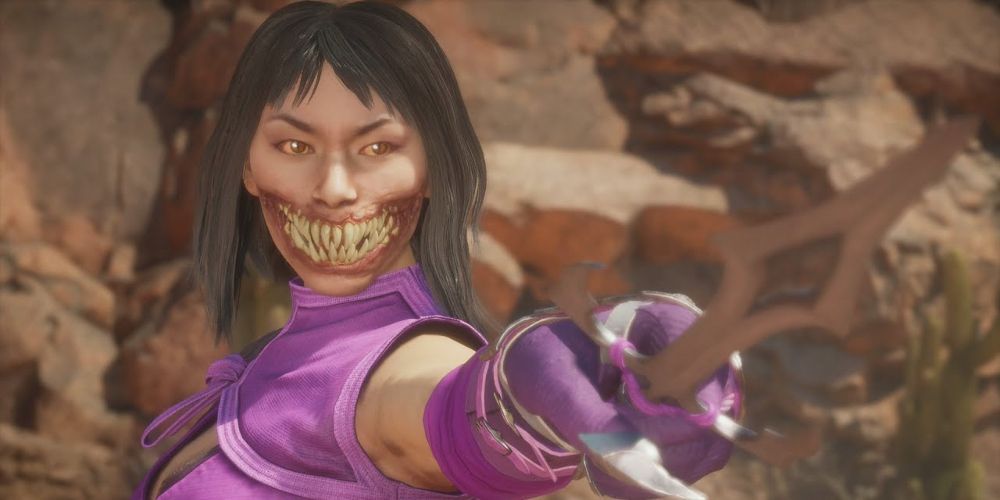
* **Mileena** functioned primarily as a monstrous foil to Kitana, a grotesque clone embodying betrayal and chaos. Her existence was largely defined by combat utility and visual shock value.
These characters existed within the technological constraints of the time, where animation frames were limited and storytelling was secondary to gameplay. The fatalities, however, became cultural flashpoints, with the game's unprecedented gore sparking congressional hearings on video game violence. Female characters were often at the center of this controversy due to the perceived eroticism intertwined with their brutal ends.
The Expansion: Agency and Diversification (1997-2011)
With the release of *Mortal Kombat 4* and subsequent entries on the N64 and PlayStation, the roster expanded dramatically, granting female characters more narrative weight and mechanical diversity. This era saw the rise of warrior women who transcended the "killer ornament" trope.
**Sub-Zero's Rivalry and the Ninja Clans**
The mystery surrounding the original Sub-Zero (Bi-Han) and his murder set the stage for **Frost**, a character introduced in *Mortal Kombat: Deadly Alliance*. Frost served as a dark mirror to the noble **Sub-Zero** (Kuai Liang), embodying the corrupt ambition within the Lin Kuei clan. Her rivalry with Sub-Zero and subsequent defeat at the hands of Sektor highlighted the stakes of clan politics, moving beyond simple revenge plots.
**The Empress Ascendant**
**Shang Tsung**'s evolution in *Mortal Kombat 11* marked a significant narrative shift. Once a parasitic sorcerer reliant on disguises, Tsung’s story mode in the 2011 reboot presented him as the Empress of Outworld. This portrayal, voiced by Vic Chao, recontextualized the character’s relationship with Kronika and offered a rare female-presenting antagonist whose power was central to the plot, not merely a hurdle for male heroes to overcome.
**The Red Dragon Clan**
Characters like **Mavado** and **Havik** represented the brutal pragmatism of the Red Dragon clan. While male figures dominated the clan's hierarchy, the introduction of **Kira** and **Kobra** signaled the inclusion of female assassins who operated outside the Lin Kuei framework. Kira, in particular, represented a departure from mystical warriors, focusing instead on tactical brutality and street-level criminality.
The Rebirth: Modernity and Meta-Narrative (2011-Present)
The 2011 reboot acted as a genesis point for the franchise, resetting the timeline and deepening the lore. This golden age for Mortal Kombat storytelling placed female characters at the forefront of its dramatic arcs, utilizing the fighting game medium to explore trauma, legacy, and empowerment.
**Cassie Cage and the Burden of Legacy**
The daughter of Johnny Cage and Sonya Blade, **Cassie Cage** inherits the duty of protecting Earthrealm. Portrayed as a brash, confident leader, Cassie bridges the gap between the grounded military aesthetic of Sonya and the godlike powers of the Outworld rulers. Her dynamic with her father explores themes of celebrity versus competence, while her leadership in *Mortal Kombat 11*’s story mode solidifies her as the de facto commander of Earth’s forces.
**Jacqui Briggs and Emotional Resonance**
**Jacqui Briggs**, daughter of Jax Briggs, provides a stark contrast to the cosmic battles surrounding her. A Special Forces soldier, Jacqui’s storyline involves the loss of her arms and her struggle with disability, utilizing cybernetic enhancements. Her friendship with Frost adds a layer of inter-clan diplomacy rarely seen in the series, humanizing the conflict between the Lin Kuei and the Shirai Ryu.
**The Cosmic Power of Fujin and Beyond**
**Fujin**, the God of Wind, represents the series' embrace of divine femininity in a non-binary presentation. As the protector of Earthrealm, Fujin’s stoic demeanor and godlike powers elevate the stakes of the conflict against Netherrealm. Furthermore, the introduction of **Geras**, a construct built by Kronika, and the corrupted **Nightwolf** showcase the range of femininity and gender expression within the lore, moving beyond traditional male-coded warrior tropes.
Design Philosophy and Cultural Reflection
The evolution of female characters in Mortal Kombat mirrors the industry's shifting attitudes toward gender. The early emphasis on sexuality gradually gave way to a focus on narrative integration and combat efficacy.
* **From Fan Service to Function:** Early designs prioritized visual appeal, often featuring impractical armor and exaggerated proportions. Modern iterations, such as the armored version of Sonya or the tactical gear of Cassie, prioritize mobility and context, reflecting a more respectful approach to character design.
* **Narrative Agency:** Contemporary storylines grant female characters pivotal roles in determining the fate of realms. **Kronika**, the titular *Mortal Kombat 11* antagonist, manipulates time itself to reshape history. Her motivations, rooted in a desire to restore balance after Raiden's corruption, position her as a complex villain rather than a simple obstacle.
* **The Impact of Motion Capture:** The shift to performance capture technology in the latest generation has allowed for more expressive facial animations and physicality. Actors such as Ashly Burch (Frost) and Vic Chao (Shang Tsung) bring vocal nuance and physical commitment that enrich the characters beyond their move lists.
Enduring Legacy and the Road Ahead
Mortal Kombat female characters have transitioned from pixelated prizes to pillars of the franchise’s identity. They drive the plot, challenge the protagonists, and embody the series' escalating stakes. Their evolution reflects a broader conversation within gaming about representation, complexity, and respect.
As NetherRealm Studios continues to expand the universe with new installments, the legacy of these warriors remains secure. They are not merely fatalities or fan service; they are the soldiers, the gods, and the empresses who define the soul of Mortal Kombat. Their presence ensures that the franchise’s violent poetry resonates with a diverse audience, proving that the heart of the tournament beats strongest when these warriors are in the fray.
Related Post
The Fatalities of Fate: An In-Depth Look at Mortal Kombat's Female Characters

The Ultimate Guide to Sign Someone Up For Spam Texts: A Complete Primer for Free

Find Local Auto Mechanics Open Now Near You: Convenience and Accessibility in the palm of Your Hands

Shining a Light on the Elusive Sasquatch: Revealing Photo Evidence of a Sneaky Bigfoot


