The Diamont Dilemma: Inside the High-Stakes World of Synthetic Diamond Innovation
The Diamont Dilemma: Inside the High-Stakes World of Synthetic Diamond Innovation
In a laboratory in upstate New York, a machine the size of a refrigerator is creating diamonds at a speed once thought impossible. These gems, chemically identical to stones mined from deep within the earth, are part of a quiet revolution in materials science. The rise of diamont—the term increasingly used to distinguish laboratory-grown diamonds from their natural counterparts—represents one of the most disruptive technological shifts in the luxury and industrial sectors, forcing a complete reevaluation of value, ethics, and supply chains.
The diamont industry is currently at a fascinating inflection point. As production costs plummet and product quality ascends to flawless perfection, traditional players are scrambling to adapt. This is not merely a story about shiny rocks; it is a fundamental recalibration of an ancient market, driven by engineering prowess and shifting consumer values. The journey from carbon source to certified stone reveals a complex interplay of technology, commerce, and identity.
The Genesis of a Gem: Science Over Geology
The creation of a diamont is less like mining and more like advanced manufacturing. The process begins with a tiny slice of natural diamond called a "seed." This seed is placed in a sealed chamber and subjected to extreme conditions that mimic the earth’s mantle, albeit in a matter of hours rather than billions of years.
There are two primary methods employed by leading diamont producers:
- High-Pressure High-Temperature (HPHT): This method replicates the geological forces that create natural diamonds. Carbon source material is subjected to pressures exceeding 700,000 pounds per square inch and temperatures over 2,500 degrees Fahrenheit, causing the carbon to crystallize around the seed.
- Chemical Vapor Deposition (CVD): A more modern technique, CVD uses a plasma gas reactor. A carbon-rich gas (such as methane) is introduced into a vacuum chamber, and energy is applied to break the gas molecules apart. The carbon atoms then bond layer-by-layer onto a diamond seed, allowing for greater control over the growth environment and often producing larger, clearer stones.
"The technology has advanced to the point where the distinction between a stone created in a reactor and one created in the ground is purely geological, not optical or physical," explains Dr. Arjun Patel, a materials scientist at the Gemological Institute of America. "The diamond lattice is identical. The challenge is no longer creating a diamond; it is creating one without inclusions and with the desired color at a commercial scale."
The Market Metamorphosis: Disruption and Adaptation
The impact of diamont on the market has been profound. Once a niche product, lab-grown diamonds now represent a significant and growing segment of the jewelry industry. Their appeal is multifaceted: they offer the beauty of a diamond at a fraction of the cost, and they cater to a generation of consumers concerned with transparency and sustainability.
Data from the International Gem Society indicates that the price of a one-carat round brilliant diamont has dropped by nearly 90% since 2010, while the price of a natural diamond has remained relatively stable or even increased. This price erosion has forced the natural diamond industry to adapt.
- Brand Differentiation: Companies like De Beers have launched their own lab-grown lines (like "Lightbox") to capture market share, while simultaneously maintaining the premium positioning of their natural "Diamonds from De Beers" brand.
- New Business Models: Startups like Ada Lace and Vrai bypass traditional retail markups, selling directly to consumers online and emphasizing the technological origin of their diamont.
- Insurance and Appraisal: The industry is grappling with how to value diamont. Jewelers must decide whether to classify them as fine jewelry or as commodities, a decision that impacts insurance policies and resale value.
Beyond the Pendant: Industrial Applications
While the jewelry market garners the headlines, the most transformative use of diamont may be in industry. Because of their extreme hardness, thermal conductivity, and resistance to wear, synthetic diamonds are invaluable in manufacturing and engineering.
In this sector, the term "diamont" is often avoided in favor of "synthetic diamond" or "crystal diamond" to emphasize function over form. These industrial gems are not judged on clarity or carat weight, but on their ability to cut, grind, and drill through the toughest materials.
- Cutting Tools: Synthetic diamond blades and drill bits are used in saws that cut through concrete, asphalt, and ceramic tile. They last significantly longer than traditional tungsten carbide tips.
- Electronics: Diamond heat sinks are being explored for next-generation electronics because diamond offers the best thermal conductivity of any known natural material, preventing overheating in high-power devices.
- Quantum Computing: At the cutting edge of research, researchers are embedding specific impurities into diamont to create quantum bits (qubits). The stability of the diamond lattice makes it an ideal platform for maintaining quantum coherence.
The Ethics of the Stone: Conflict-Free or Carbon-Intensive?
One of the primary drivers behind the popularity of diamont was the promise of ethical purity. Natural diamonds have been historically tainted by "blood diamond" conflicts and questionable labor practices. Diamont offered a solution: a stone free of human rights abuses, traceable, and conflict-free.
However, the environmental impact of diamond synthesis is a growing concern. The high-energy processes required—particularly for CVD, which requires massive amounts of electricity to sustain plasma arcs—have a significant carbon footprint. Critics argue that unless the energy comes from renewable sources, the diamont is merely shifting the environmental cost from local mining ecosystems to global power plants.
"We are in a constant dialogue with our suppliers about energy sourcing," notes Lena Chen, Chief Sustainability Officer at a major diamont producer. "The industry is under scrutiny, and we are investing heavily in solar and wind offsets to ensure that the clean beauty of our product doesn't come at an environmental cost."
The Road Ahead: Integration, not Replacement
The future of diamont is not about replacing the earth’s treasures, but rather about expanding the definition of luxury and utility. The market is likely to stabilize into a tiered ecosystem where natural diamonds remain symbols of rarity and heritage, while diamont serves as the standard for everyday luxury, industrial necessity, and technological innovation.
For the consumer, this means more choice. A couple might choose a natural diamond for an heirloom engagement ring, symbolizing permanence and tradition, while opting for diamont in their wedding bands, valuing the identical aesthetic at a price point that allows for greater flexibility. The gemstone is no longer a monolithic symbol of status, but a spectrum of options defined by the consumer's personal values—be they geological origin, technological creation, or economic pragmatism.
Related Post

At 60, Don Diamont’s Timeless Love Story Redefines what It Means to Be a Doting Husband
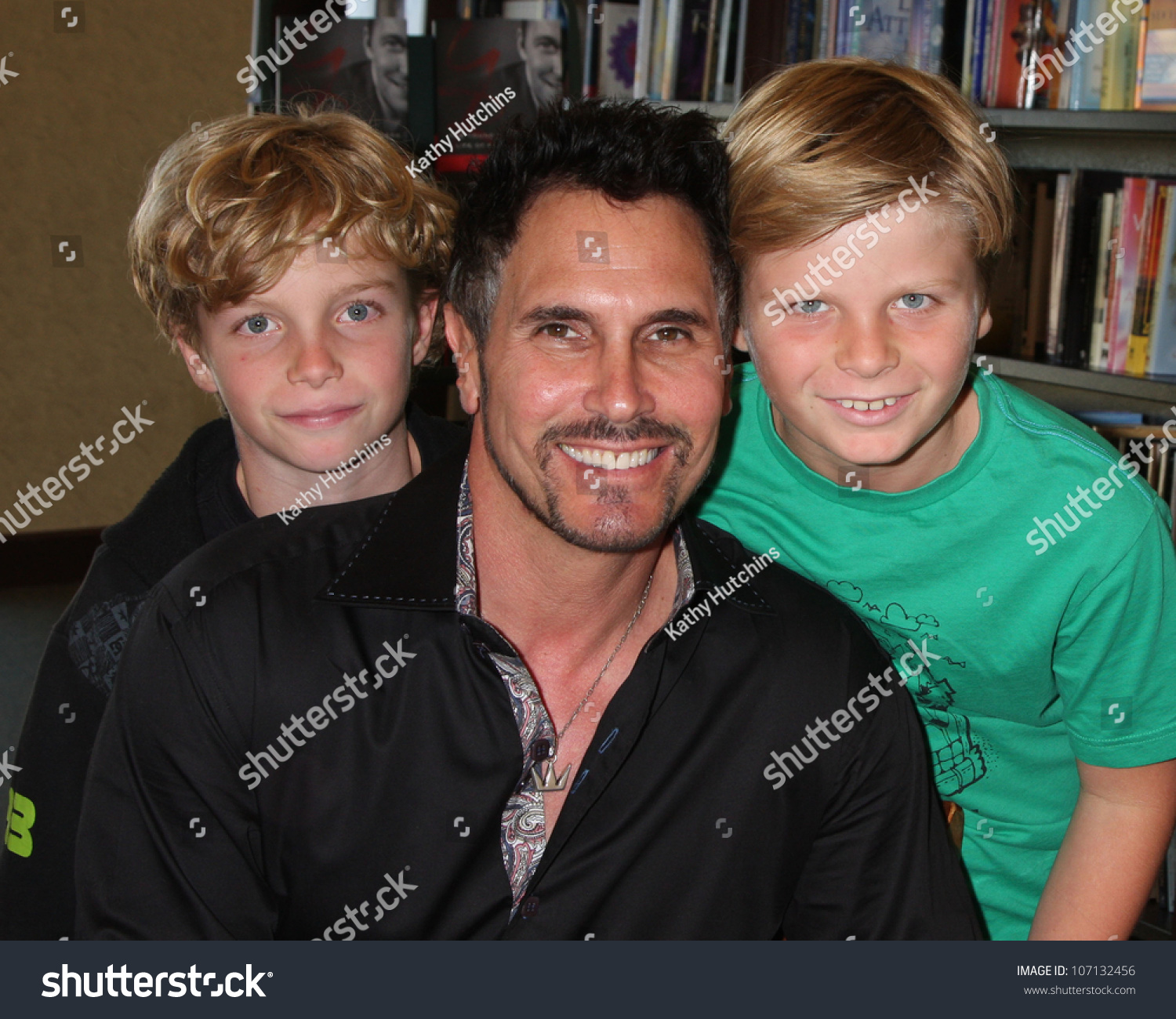
From Rags to Roles: How Don Diamont Sons Adopted Transform Lives Through Adoption

Don Diamont Turns 60: The Doting Husb Who’s Redefining Modern Romance
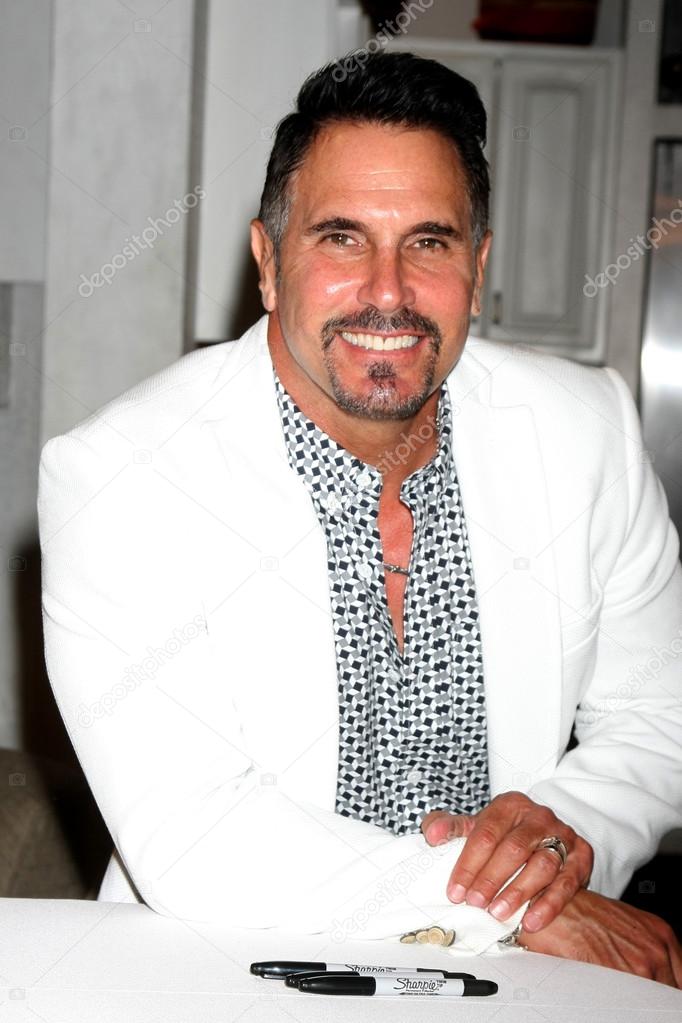
From Humble Beginnings to Community Impact: The Transformative Journey of Don Diamont Sons Adopted


