The Dick Van Dyke Show Actors: Inside the Cast of Television's Golden Age Classic
The Dick Van Dyke Show Actors: Inside the Cast of Television's Golden Age Classic
The cast of The Dick Van Dyke Show defined the blueprint for the modern sitcom, transforming the creative chaos of a comedy writer’s life into television gold. Premiering in 1961, the series starred Dick Van Dyke as Rob Petrie, anchoring a tight-knit ensemble that delivered nuanced humor and enduring charm. This article examines the actors who brought these iconic characters to life, their real-world dynamics, and the legacy of their collaborative brilliance.
The decision to build the show around Rob Petrie, a head writer for the fictional "Alan Brady Show," provided a narrative engine that balanced domestic comedy with the absurdities of the entertainment industry. Van Dyke’s everyman persona allowed the series to explore the trials of marriage, parenting, and workplace egos with a gentle, witty touch. Supporting players like Mary Tyler Moore, Carl Reiner, and Morey Amsterdam weren’t just co-stars; they were essential components of a meticulously calibrated comedic machine. The show’s longevity and influence are a direct result of how seamlessly these actors meshed, creating a world that felt both aspirational and comfortably familiar.
The Cornerstone: Dick Van Dyke as Rob Petrie
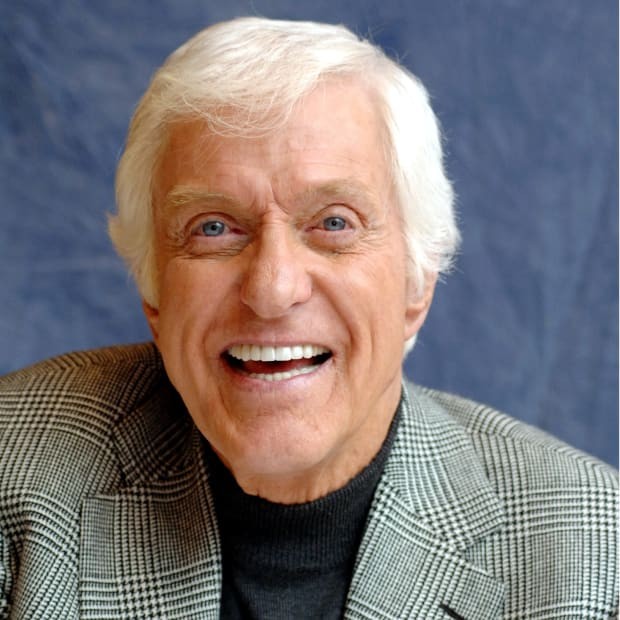
Dick Van Dyke’s portrayal of Rob Petrie remains a masterclass in situational comedy acting. He played the role with a specific, disciplined physicality, including a famously deliberate walk that suggested a man perpetually caught between his goofy instincts and his desire to maintain order. Van Dyke approached the character with a mix of earnestness and self-deprecation, making Rob’s misadventures feel genuinely relatable rather than broadly caricatured. His comedic timing, honed on variety shows, was precise, allowing him to land jokes with a quiet punch that invited the audience into his confidence.
Rob Petrie’s core conflict was his position within his own household. As the sole breadwinner and a somewhat old-fashioned father, he was constantly negotiating with his wife, Laura, and trying to keep up with the rapidly changing social landscape of the early 1960s. Van Dyke’s strength was in conveying Rob’s internal panic with a mere flicker of the eye or a hesitant pause before attempting to fix something he clearly did not understand. This subtlety was crucial for the show’s humor, which often derived from the gap between Rob’s confident aspirations and his chaotic reality.
The actor’s work schedule was notoriously rigorous, involving early call times for rehearsals and live audience tapings. This demanded a high level of stamina and consistency, which Van Dyke maintained throughout the show’s run. He understood that the physical comedy served the character, not the other way around. In a 2013 interview reflecting on the era, he emphasized the importance of discipline, noting that the cast treated each episode as a live theater performance, where mistakes could not be edited out.
The Creative Anchor: Carl Reiner as Alan Brady
Carl Reiner’s dual role as both the show’s creator and its star was foundational to its tone. As Alan Brady, the vain, temperamental star of the fictional show-within-a-show, Reiner provided a satirical mirror to the world of television production. His performance was a delicious parody of Hollywood ego, complete with diva-like demands and a fragile ego that required constant stroking. Reiner used broad strokes—exaggerated reactions, self-pitying declarations, and pompous language—to create a character that was instantly recognizable to anyone in the industry.
Beyond playing the antagonist, Reiner was instrumental in shaping the show’s writing room culture. He fostered an environment where new writers were encouraged to take risks, knowing that the safety net of his character would catch any narrative missteps. This collaborative spirit was evident in the show’s structure, which often blurred the line between Rob Petrie’s home life and his professional one. Alan Brady wasn’t just a character; he was a narrative device that allowed the writers to explore the meta-joke of a man trying to balance a creative career with a family life.
Reiner’s influence extended to the cast’s improvisational style. He encouraged a loose, conversational feel on set, which is why so many scenes feel spontaneous and alive. This approach required a high degree of trust among the actors, who had to be comfortable ad-libbing and playing off one another’s energy. The result was a show that felt less like a rehearsed script and more like a peek into a chaotic, loving household.
The Straight Man and the Secret Weapon: Mary Tyler Moore as Laura Petrie
Mary Tyler Moore’s Laura Petrie is often remembered for her groundbreaking fashion—tight Capri pants and sleeveless tops that were revolutionary for 1961—but her performance was so much more than wardrobe. She brought a sense of modern femininity and quiet strength to the role, providing the perfect counterbalance to Rob’s harried demeanor. Laura was intelligent, patient, and often the voice of reason, yet she was never a passive character. She engaged with Rob’s chaos with a pragmatic wit that frequently left him speechless.
Moore’s comedic instincts were sharp, and she delivered her lines with a naturalism that made the family interactions feel authentic. She had a remarkable ability to shift from tender domesticity to exasperated frustration in a single scene, often with just a change in her expression. Her chemistry with Van Dyke was not just believable; it was the emotional core of the show. They played a couple that felt like a real partnership, one where arguments were followed by affection and mutual respect.
Her performance also subtly challenged the era’s gender roles. Laura was not a homely drudge; she was a stylish, modern woman who managed the household and supported her husband without being defined solely by it. She had her own frustrations and ambitions, even if they were often played for laughs. Moore’s portrayal helped normalize a more egalitarian view of marriage on television, paving the way for countless sitcom wives that followed.
The Supporting Ensemble: Morey Amsterdam and Beyond
The success of The Dick Van Dyke Show relied heavily on its robust supporting cast, who populated the Rob Petrie’s life with memorable personalities. Morey Amsterdam, who played Buddy Sorrell, the show’s joke writer and resident schemer, was a key ingredient in this mix. Amsterdam’s performance was a masterclass in comic timing, delivering rapid-fire one-liners and outlandish schemes with a wink and a grin. His character was the clever, slightly seedy friend who was always cooking up a get-rich-quick scheme or trying to schmooze his way into a better spot on the Brady show.
Behind the scenes, the cast functioned as a true ensemble. They rehearsed together, ate lunch together, and developed a camaraderie that translated directly to the screen. This cohesion is palpable in their scenes together, where the interplay feels effortless and deeply familiar. They were a repertory company, comfortable enough to take a joke that landed unexpectedly and run with it.
* **Dick Van Dyke** as Rob Petrie: The beleaguered but loving father and husband.
* **Carl Reiner** as Alan Brady: The narcissistic and demanding star of the fictional show.
* **Morey Amsterdam** as Buddy Sorrell: The wisecracking, scheming writer and Rob's best friend.
* **Rose Marie** as Sally Rogers: The blunt, boy-crazy neighbor and friend of Laura.
* **Larry Mathews** as Ritchie Petrie: The mischievous and endlessly curious older son.
* **Tribute Simmons** as Sally Ann Morrison: Ritchie's girlfriend, a sensible foil to his antics.
* **Mary Tyler Moore** as Laura Petrie: The stylish, patient, and modern wife.
Each actor brought a distinct flavor to the table, creating a microcosm of a mid-century American social circle. Their interactions, whether bickering in the den, commiserating over drinks, or navigating the trials of parenthood, felt lived-in and genuine. This authenticity is perhaps the show’s greatest legacy, a testament to the power of a talented cast working in perfect harmony.
Related Post