The Double-Edged Sword of Renewal: North Minneapolis Weighs Progress Against Preservation
The Double-Edged Sword of Renewal: North Minneapolis Weighs Progress Against Preservation
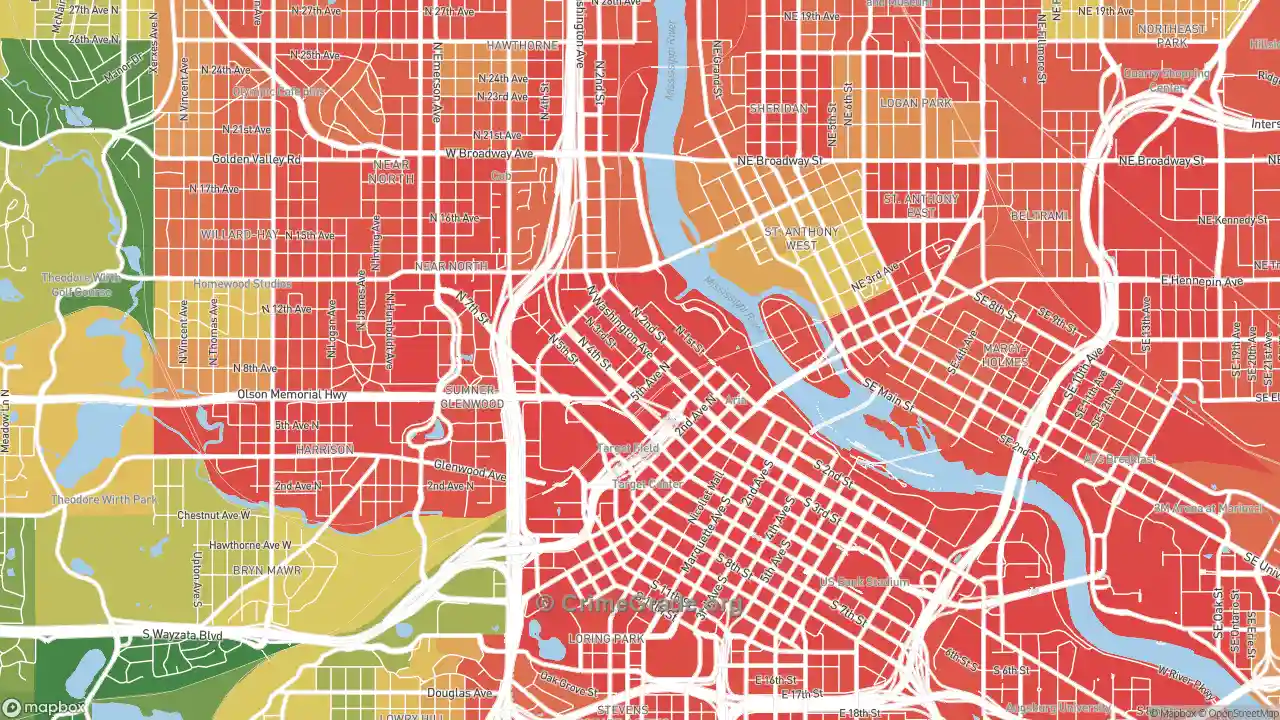
North Minneapolis stands at a pivotal moment, where billions in public and private investment are reshaping a landscape historically defined by disinvestment and structural inequality. Long heralded as a model for community-driven revitalization, the area now grapples with the tangible tensions of gentrification, as new infrastructure and housing threaten the very cultural fabric it sought to protect. This is a story of a neighborhood leveraging its resilience to demand a seat at the development table, even as market forces test the limits of that power.
For decades, North Minneapolis lived in the shadow of its more affluent southern neighbor. Redlining practices from the mid-20th century systematically denied loans and insurance to Black residents, creating a cycle of disinvestment that left the neighborhood with aging infrastructure and fewer economic opportunities. The official designation of parts of the area as a "disadvantaged district" was not a badge of honor but a stark reminder of systemic neglect. The recent push for modernization is, in part, an attempt to correct those historical wrongs, channeling resources into transportation, parks, and housing that the area has long been denied.
However, the methods of this correction have sparked intense debate. The arrival of light rail, new commercial corridors, and market-rate luxury developments has brought undeniable improvements—lower crime rates, increased business activity, and a more vibrant streetscape. Yet, these same developments often result in the displacement of the very residents who fought for the neighborhood’s revitalization. The demographic shift is visible on the sidewalks of the North Loop and along Broadway Avenue, where long-standing Black-owned businesses now share storefronts with trendy coffee shops and upscale boutiques. The core challenge facing North Minneapolis is whether it can achieve economic growth without sacrificing its soul.
### The Engine of Change: Public Investment and Infrastructure
The catalyst for North Minneapolis’s current transformation can be traced directly to significant public investment, primarily through the City of Minneapolis's "Northside Plan" and the broader "Better Streets, Safer City" initiative. These frameworks were designed to address historical inequities by directing tax increment financing (TIF) and bond dollars into the area. The goal was to create a self-sustaining ecosystem where improved infrastructure would attract responsible development, leading to wealth creation for existing residents.
Key components of this strategy include:
* **The METRO Blue Line Extension:** This light rail project, connecting downtown Minneapolis to the University of Minnesota and beyond through North Minneapolis, is perhaps the most visible symbol of change. Proponents argue it provides critical transit access for jobs and education, breaking down historical transportation barriers.
* **Reimagined Public Spaces:** Investments in parks like the popular "Powderhorn Park" and the redevelopment of the 38th and 44th Street corridors have transformed underutilized spaces into community gathering spots, aiming to improve quality of life and public safety.
* **Targeted Business Development:** Programs aimed at supporting minority-owned businesses and incubating local entrepreneurs have sought to ensure that new dollars circulating in the community stay within it.
"The narrative of North Minneapolis for too long was one of deficit," says Maya Jenkins, a community development professor at the University of Minnesota who has studied the area extensively. "The infrastructure projects are real, and they are necessary. The question is no longer 'if' the neighborhood will change, but 'who gets to define the terms of that change'."
### The Rise of the "Green Zone" and Community Control
In response to the rapid pace of change, community organizers in North Minneapolis successfully pushed for a radical policy tool: the creation of a "Green Zone." This overlay district places strict regulations on certain types of development, effectively freezing new liquor licenses and placing a moratorium on large-scale liquor sales in specific areas. The intent was to curb the proliferation of liquor stores, which were seen as contributing to public health issues and crime, while giving residents more control over the character of their neighborhood.
This move represents a significant shift in power dynamics. For the first time, a community was able to assert its right to shape its own development trajectory in opposition to pure market logic. While the Green Zone has faced legal challenges and criticism from some business owners who argue it stifles economic opportunity, it remains a powerful symbol of community agency.
"It’s about protecting the people who have been here through the hard times," explains Reverend David Martinez, a pastor at a community center in the neighborhood. "We are not against business or progress, but we are against being used as a stepping stone for someone else's profit. The Green Zone is our tool to ensure that progress includes us, not just passes through us."
### The Displacement Dilemma: Who Benefits?
Despite the intentions behind these policies, the economic pressure of revitalization is forcing many long-term residents to leave. Rising property values and rents have priced out generations of families. Section 8 housing vouchers, while intended to help, can sometimes have the perverse effect of concentrating poverty in specific areas while making neighborhoods unaffordable for those without them.
The demographic data tells a clear story. While the overall population of Minneapolis has remained relatively stable, the percentage of Black residents in North Minneapolis has been in steady decline. This "quiet displacement" is often harder to measure than a moving truck, but its impact is deeply felt in the closure of longtime hair salons, churches, and barbershops that once served as the bedrock of the community.
* **Soaring Rent Costs:** The introduction of new market-rate apartments has significantly driven up the average rent in the area, pushing out low-income tenants.
* **Property Tax Hikes:** As home values increase, so do property taxes, creating a financial burden for seniors and fixed-income residents who do not see the same wage growth.
* **Cultural Erosion:** The loss of legacy businesses and institutions weakens the social fabric and the unique cultural identity that defines North Minneapolis.
### The Path Forward: Balancing Growth with Equity
The future of North Minneapolis does not have to be a zero-sum game where economic growth necessarily comes at the cost of community cohesion. However, achieving a true balance requires deliberate, proactive, and often uncomfortable policy choices. The conversation is moving beyond simply opposing development to demanding a different kind of development.
Community leaders are advocating for robust Community Benefits Agreements (CBAs), which legally bind developers to provide a percentage of affordable housing, hire local workers, and invest in community projects in exchange for the right to build. There is also a growing focus on fostering genuine cooperative ownership models, where residents can own a stake in the businesses and developments that shape their neighborhood. The goal is to transition from being a passive market to active stakeholders in their own future.
North Minneapolis is a living laboratory for one of the most critical challenges of modern urbanism. It is a place where the fight for racial and economic justice is being waged not in courtrooms alone, but on the very streets of the community. The outcome of this struggle will not only determine the fate of one neighborhood but will serve as a blueprint for how American cities navigate the complex terrain of renewal, equity, and the fundamental question of who gets to belong.
Related Post