The Enigmatic Wife of Lee Harvey Oswald: Marina Oswald Porter’s Life, Truths, and the JFK Assassination
The Enigmatic Wife of Lee Harvey Oswald: Marina Oswald Porter’s Life, Truths, and the JFK Assassination
Marina Oswald Porter became an international figure at age 24 when her husband, Lee Harvey Oswald, was accused of assassinating President John F. Kennedy. Her testimony before the Warren Commission and subsequent memoir humanized a figure who had been framed as a faceless killer, offering a complex narrative of love, disillusionment, and survival. This article examines her background, relationship with Oswald, experiences during and after the assassination, and her enduring, often controversial, legacy.
Marina Nikolayevna Prusakova was born on July 17, 1941, in the industrial Russian city of Molotovsk, now known as Severodvinsk, in the Soviet Union. Her childhood was marked by hardship; her father, a naval officer, died when she was an infant, and she was raised by her mother, a nurse, amid the privations of post-war Soviet life. She trained as a pharmacist and worked as a pharmacy technician in Minsk. In 1961, at age 19, she married Lee Harvey Oswald, a 23-year-old former U.S. Marine who had defected to the Soviet Union just nine months earlier. The couple had two daughters, June and Rachel, before emigrating to the United States in 1962 under a repatriation agreement brokered by the U.S. government. They settled in Fort Worth, Texas, and later Dallas, where Lee attempted to assassinate retired General Edwin Walker in April 1963 and was later accused of killing President Kennedy and Dallas police officer J.D. Tippit on November 22, 1963.
Marina’s testimony before the Warren Commission, chaired by Chief Justice Earl Warren, was a pivotal moment in the investigation. Her detailed account of Oswald’s character, his movements in the months leading up to the assassination, and her presence in their Dallas rooming house provided investigators and the public with a rare, intimate perspective on the accused killer. She described a man who was both politically intense and domestically ordinary, capable of tenderness toward his family yet haunted by a deep-seated anger and alienation.
Her cooperation came at a significant personal cost. The intense scrutiny she faced from the media and the public was unrelenting. Reporters camped outside her home, and she became a symbol in the fierce debate over the nature of the assassination. In a 1977 interview with the BBC, she reflected on the burden of her knowledge and the public’s insatiable appetite for a simple narrative. "I knew Lee as a human being," she said. "I knew his weaknesses, his strengths. People wanted a monster, but they got a man. And that complexity was—and still is—hard for the world to accept." This tension between her private grief and public fascination defined much of her early life after the assassination.
In the years that followed, Marina’s life was marked by profound struggle and reinvention. After Lee was killed two days after his arrest by Jack Ruby, she was left with limited financial resources and the challenge of raising two young daughters alone. She moved frequently, eventually marrying Kenneth Porter, a U.S. Air Force officer, in 1965. This marriage brought both stability and new scrutiny, as she navigated life as an American citizen while remaining inextricably linked to one of the most infamous crimes in American history. Her memoir, "Marina and Lee," co-authored with Mary McGrory and published in 1964, offered a detailed, often sympathetic portrait of Oswald, further fueling public debate.
Marina’s post-assassination life has been characterized by a deliberate effort to distance herself from the mythology surrounding her late husband while protecting her daughters from the same media frenzy she endured. She has consistently declined to speculate on broader conspiracy theories, focusing instead on the tangible reality of her family’s experience. In a rare public statement in 2013, marking the 50th anniversary of the assassination, she reiterated her personal loss, separating it from the political maelstrom. "The focus should be on the victims—the president, the officer, and all those who lost their lives," she remarked through a spokesperson. "My family’s pain is often overshadowed, but it is no less real." Today, she lives a private life, her legacy forever intertwined with the unresolved questions of Dallas that continue to fuel debate and investigation.
Related Post

Marina Oswald Porter: The Enigmatic Figure Who Shaped a Controversial Legacy
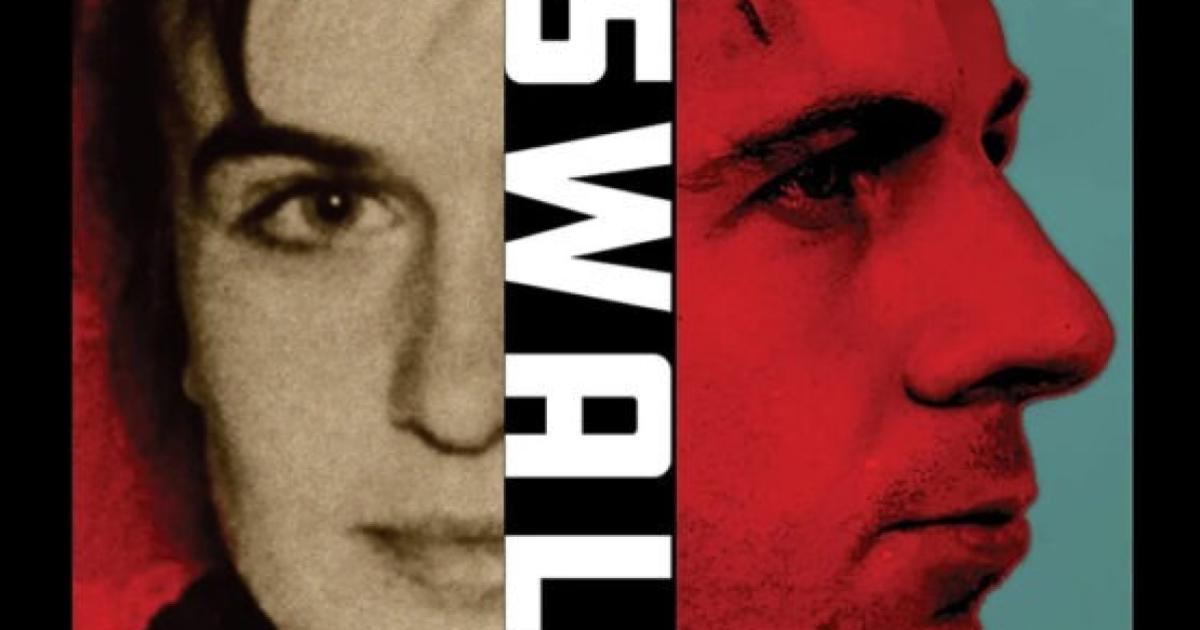
<b>The Hidden Truth Behind Marina Oswald Porter’s Untold Story</b>
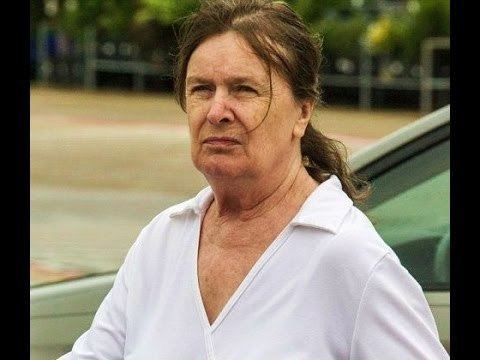
The Untold Story Behind Marina Oswald Porter: Secrets Hidden in a Tragedy That Shook a Nation


