The Evolution and Enduring Influence of Nickelodeon TV Shows: From Cornerstones to Cultural Catalysts
The Evolution and Enduring Influence of Nickelodeon TV Shows: From Cornerstones to Cultural Catalysts
For over forty years, Nickelodeon has been a defining force in global youth culture, transforming from a groundbreaking experimental network into a multimedia empire. Its television shows have served as more than mere entertainment, reflecting and shaping generational identities, launching iconic careers, and establishing production models that continue to influence the industry. This is the story of how a channel built on orange slime became a cornerstone of modern popular culture.
The origins of Nickelodeon were rooted in a radical departure from the existing television paradigm. Launched on December 1, 1977, as C-2, the channel was rebranded as Nickelodeon in 1979, adopting its signature orange color scheme and the now-famous splat logo. Its early philosophy, dictated by its parent company Warner-Amex Satellite Entertainment, was one of interactive experimentation. The channel aired a loop of continuously running title cards inviting viewers to guess the names of objects or celebrities, a concept designed to foster engagement rather than passive viewing. This format was largely a placeholder, but it established a core tenet of the brand: participation.
The true genesis of the Nickelodeon zeitgeist came with the launch of its inaugural original series. These shows were not created in a vacuum; they were direct responses to the channel’s identity and the landscape of children’s television at the time.
* **Pinwheel (1977-1984):** While technically a precursor, this relentlessly upbeat, educational program was the blueprint. Its fast-paced, visually stimulating mix of animation, music, and live-action segments proved that children’s programming could be energetic without being violent.
* **The Adventures of Pete & Pete (1993-1996):** This show is frequently cited by critics and fans alike as a lost golden age artifact. It operated on a different wavelength, embracing surreal humor, off-kilter surrealism, and a distinct lack of moralizing.
* **Clarissa Explains It All (1991-1994):** Starring Melissa Joan Hart, this show centered on a teenage girl who spoke directly to the camera, navigating adolescence with a mix of wit, sarcasm and vulnerability. It provided a template for youth-centric storytelling that was honest about the complexities of teen life.
The 1990s are widely regarded as the network’s golden age, a period defined by a specific creative energy often dubbed "Nickelodeon DNA." This era produced an astonishing array of iconic shows that prioritized absurdity, character-driven plots, and a distinct visual style. The success of these programs was not accidental; it was the result of a carefully cultivated ecosystem.
The launch of the Nickelodeon Kids' Choice Awards in 1988 was a pivotal moment. It transformed viewership into a participatory event, turning children into voters and stars into triumphant recipients of orange blimps. This ceremony validated the tastes of the young audience and created a powerful feedback loop between the network and its core demographic. As media scholar Dr. Rebecca Hains notes, "The KCAs didn't just reflect pop culture; they created a shared cultural moment that defined a generation's relationship with celebrity."
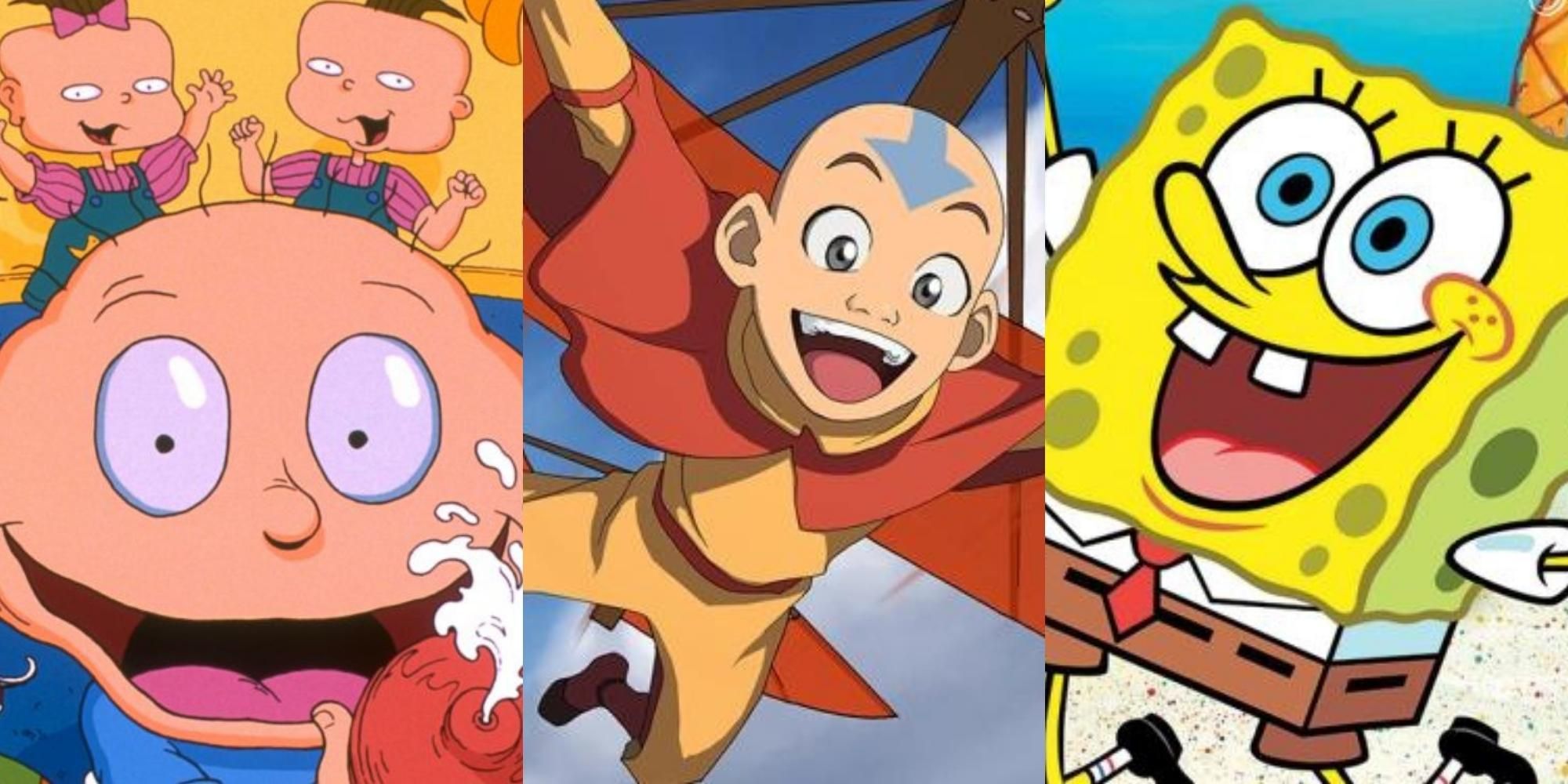
The network's foray into animated series during this period proved to be a masterstroke. **Rugrats**, created by Arlene Klasky, Gabor Csupó, and Paul Germain, deconstructed the world from the perspective of toddlers, turning household objects into epic landscapes. Its success spawned the critically acclaimed spin-off **All Grown Up!**, a rarity that demonstrated long-term character development. Simultaneously, **SpongeBob SquarePants**, which debuted in 1999, introduced a level of surreal, optimistic comedy that transcended its demographic. Creator Stephen Hillenburg’s marine biology background infused the show with a unique, whimsical logic that has allowed it to maintain relevance for over two decades, a testament to its enduring creative strength.
The transition into the 2000s presented new challenges and opportunities for Nickelodeon. The landscape of children's media was fragmenting, with the rise of cable competition and later, digital streaming. The network responded by diversifying its portfolio and embracing emerging formats.
The launch of the **Nicktoons** brand allowed for a greater separation between its preschool-oriented content and its tween-focused programming. This led to the rise of live-action sitcoms that tackled more mature themes, such as **Drake & Josh**, **Ned's Declassified School Survival Guide**, and **Big Time Rush**. These shows leaned into the awkwardness of adolescence, often featuring aspirational elements like music stardom or high school social dynamics. They were designed to be both relatable and aspirational, a balance that required careful calibration.
"The challenge has always been authenticity," explains a former development executive who worked at the network during this period, on the condition of anonymity. "You want to address the realities of a young person's world—whether it's a difficult teacher, a first crush, or a family dynamic—without losing the sense of fun and optimism that is the brand's promise. It’s a tightrope walk."
The most significant disruption to the traditional television model has come from the streaming era. The launch of **Nickelodeon on Pluto TV** in 2020 and the subsequent integration of content into the **Paramount+** streaming service has forced a fundamental re-evaluation of the brand’s strategy. The passive, appointment-viewing model of Saturday morning blocks and after-school marathons is giving way to on-demand consumption. This shift is influencing how content is created and marketed.
Modern Nickelodeon shows, such as **Kamp Koral: SpongeBob's Under Years** and **The Patrick Star Show**, are being developed with a multi-platform audience in mind. They are designed to exist not just as linear television episodes but as transmedia experiences, expanding into mobile games, digital shorts, and social media content. This strategy is about maintaining relevance in a crowded marketplace where attention is the ultimate currency. As the network adapts, it remains anchored by the core principles established in its earliest days: a vibrant visual identity, a focus on comedy, and a deep respect for its young audience. The orange splat continues to evolve, but its foundational commitment to imagination and entertainment remains a constant, proving that the legacy of Nickelodeon television is far from over.
Related Post
Nickelodeon TV Shows: Unlocking the Secrets of a Beloved Era of Children's Entertainment
Nickelodeon: The Ultimate Guide to 100+ Amazing TV Shows