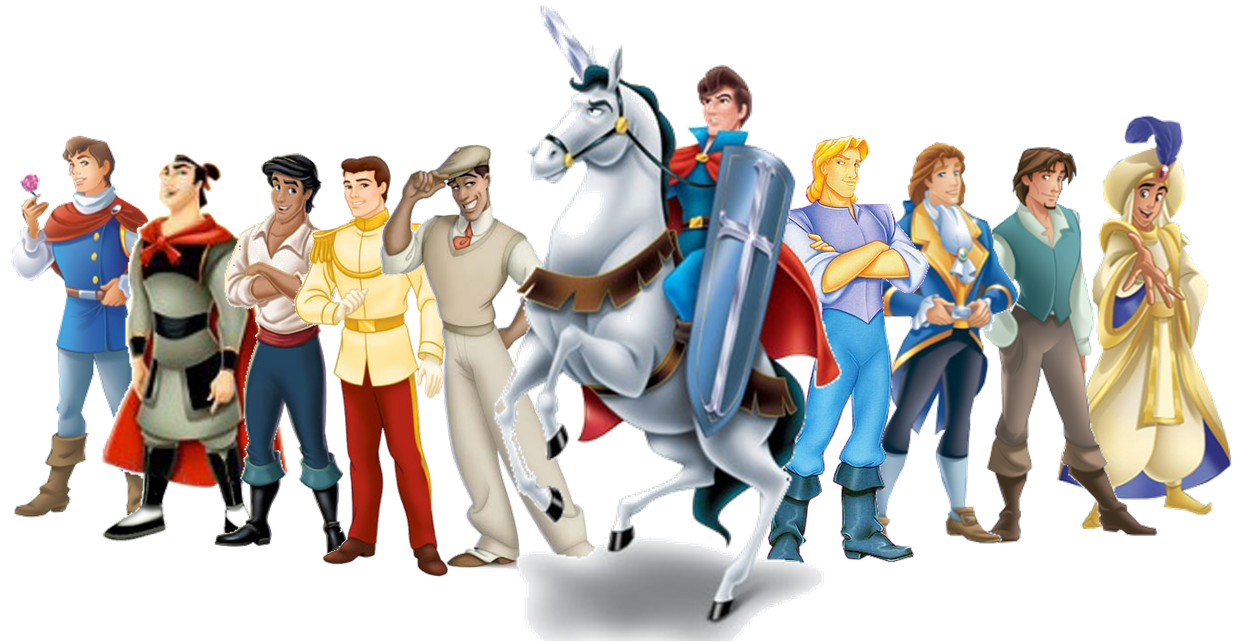
The Evolution of Disney Male Characters: From Steamboat to Modern Masculinity
The Evolution of Disney Male Characters: From Steamboat to Modern Masculinity
The portrayal of male characters within the Disney canon has undergone a profound transformation, evolving from steamboat captains to emotionally complex heroes. This journey reflects broader societal shifts in attitudes towards masculinity, authority, and emotional expression. This article examines the historical trajectory of these characters, analyzing their archetypes, cultural impact, and the ways they have mirrored changing values.
Since the inception of the Disney empire, the male protagonist has often served as a vessel for exploring themes of adventure, responsibility, and moral fortitude. Early figures established a baseline for heroism that prioritized physical prowess and stoic determination. However, contemporary iterations frequently challenge these traditional molds, presenting heroes who are vulnerable, collaborative, and deeply in touch with their feelings. This evolution is not merely artistic; it is a cultural document, revealing how the concept of the "Disney Prince" has adapted to resonate with successive generations.
The Golden Age of Animation, spanning the 1930s to the 1950s, established the foundational archetypes that would define Disney masculinity for decades. These characters were often defined by their roles as protectors, providers, and princely figures, embodying a rigid form of stoic bravery.
Key characteristics of this era include:
- **The Authority Figure:** Characters like the Grand Duke from *Cinderella* or the Captain of the Guards in *Mary Poppins* represent institutional power and order. Their masculinity is tied to duty, control, and upholding the social hierarchy.
- **The Reluctant Hero:** Prince Phillip from *Sleeping Beauty* begins as a somewhat naive figure but quickly embraces his role as a warrior, battling Maleficent to save his love. His heroism is active, decisive, and largely silent.
- **The Everyman:** While often princes, characters like Prince Charming from *Snow White* are designed to be relatable ideals. They are kind, brave, and ultimately triumphant, representing a morally unambiguous form of traditional masculinity.
During this period, the male lead was rarely the source of comedy; he was the pillar of stability amidst chaotic female characters who needed saving. The narrative function was clear: the man’s role was to act, to protect, and to resolve.
The subsequent decades saw a diversification in the male character archetype, moving away from the singular "prince" model. The 1990s, in particular, marked a significant shift towards character-driven storytelling and a reevaluation of what it meant to be a hero.
This era introduced a wave of characters who were more flawed, more funny, and more human. Aladdin stands as a prime example of this transition. He is not a born prince but a street rat who embodies resourcefulness and a Robin Hood-esque sense of justice. His journey is less about fulfilling a royal duty and more about earning the right to be with Princess Jasmine and to be true to himself. As composer Alan Menken noted, the character required a different kind of musicality, one that blended street smarts with romantic idealism. "Aladdin had to be someone the audience could root for immediately, someone who was clever and charming, but also had a heart of gold," Menken reflected in a 2014 interview. This focus on relatability over lineage marked a pivotal moment in character development.
Other characters from this period further expanded the definition:
- **Lumiere from *Beauty and the Beast*:** A charismatic, French-accented candelabra who provides comic relief and warmth. His masculinity is expressed through charm, hospitality, and unwavering loyalty, challenging the notion that strength must be silent or severe.
- **Mufasa from *The Lion King*:** A monumental shift towards profound emotional depth. Mufasa is a regal, powerful leader, but his defining characteristic is his deep love for his son, Simba. His iconic "Remember who you are" scene is a masterclass in conveying complex emotion—grief, wisdom, and paternal love—without a single line of dialogue. He represents a new model of strength: one that is gentle, instructive, and deeply connected to family.
The 21st century has ushered in an era of unprecedented narrative complexity for Disney male characters. The rigid binaries of hero versus villain have largely dissolved, replaced by anti-heroes, conflicted princes, and characters who actively deconstruct traditional gender roles.
Films like *Frozen* and *Moana* have fundamentally altered the landscape. In *Frozen*, Prince Hans begins as the perfect gentleman, the charming male lead who seems to fit every princess fantasy. However, he is revealed to be a manipulative villain whose ambition is a facade. This subversion is crucial; it dismantles the audience's trust in the "Prince Charming" archetype, forcing a reevaluation of the entire trope. The true heroes are the sisters, Anna and Elsa, who embark on a journey of self-discovery and empowerment.
Simultaneously, *Moana* presents a heroine whose journey is not romance-driven but purpose-driven. The male characters in her world serve in supportive, non-paternal roles. Maui, the demigod voiced by Dwayne Johnson, is a complex figure—a boisterous, self-aggrandizing hero who suffers from a crisis of identity. His relationship with Moana is one of mutual empowerment; he is not her guide or savior but a fellow wayfinder who rediscovers his own heroic potential through her determination. As Moana's creator, John Lasseter, famously stated, the film was about "finding yourself," a theme that applies equally to Maui. His character arc is one of the most nuanced explorations of male ego and vulnerability in Disney history.
This trend continues in films like *Coco*, where Miguel’s male relatives represent a spectrum of flawed, loving, and ultimately redemptive figures. The focus is on familial bonds rather than romantic conquest, shifting the metric of success from finding a wife to understanding one's heritage.
Today’s Disney male characters are defined by their emotional availability and collaborative spirit. The stoic, lone hero is largely a relic of the past. The current narrative framework values community, dialogue, and shared growth. Characters like Baymax from *Big Hero 6* embody a new form of protector—one defined by empathy and programmed ethics rather than sheer physical strength. He is a caregiver, a friend, and a source of unconditional support.
This shift reflects a broader cultural conversation about mental health and the importance of vulnerability. By showcasing male characters who express fear, sadness, and doubt, Disney is providing a valuable template for its young audience. It suggests that strength is not the absence of emotion, but the ability to navigate it authentically. The evolution from the silent, steadfast prince to the emotionally intelligent hero marks a significant and necessary progression in children’s media, ensuring that the stories resonate with a more nuanced understanding of what it means to be a man.
Related Post

The Iconic Archetypes: Disney Male Characters Who Defined Generations