The Evolution of Ponyboy Curtis: Navigating Identity, Loss, and Redemption in The Outsiders
The Evolution of Ponyboy Curtis: Navigating Identity, Loss, and Redemption in The Outsiders
Ponyboy Curtis, the introspective first-person narrator of S.E. Hinton’s seminal 1967 novel *The Outsiders*, serves as the emotional anchor of a story that redefined young adult literature. As a 14-year-old Greaser grappling with class conflict, familial loss, and the search for self, Ponyboy’s journey from naive youth to awakened maturity encapsulates the turbulent spirit of adolescence. This article examines how Ponyboy’s perspective drives the narrative, the socio-historical context that shaped his character, and his enduring legacy in modern storytelling.
The World Through Greaser Eyes: Setting and Social Division
*The Outsiders* is set in Tulsa, Oklahoma, during the 1960s, a period marked by stark socioeconomic divides. Hinton, herself a teenager while writing the novel, channeled her observations of youth gang tensions into a poignant exploration of identity. Ponyboy belongs to the Greasers, a working-class group distinguished by their greasy hair, patched clothes, and loyalty to one another. Their rivals, the Socs—wealthy, privileged youths—embody the systemic inequality that defines Ponyboy’s worldview.
Ponyboy’s narration is distinctively poetic and reflective, often contrasting his love for literature and movies with the harsh realities of his environment. This duality underscores his internal conflict: he is both a product of his circumstances and a dreamer aspiring to transcend them. As he states early in the novel, "Stay gold, Ponyboy. Stay gold," a reference to the Robert Frost poem he recites, highlighting his desire to preserve innocence amid chaos.
Catalysts for Change: Key Events in Ponyboy’s Journey
Ponyboy’s evolution is driven by pivotal moments that challenge his understanding of right and wrong:
- The movie outing: A seemingly simple trip to the cinema with fellow Greasers introduces Cherry Valance, a Soc who bridges the gap between the two groups through shared appreciation of literature.
- The rumble: The violent clash between Greasers and Socs forces Ponyboy to confront the futility of gang conflict, especially after Johnny’s death and the fallout of Bob Sheldon’s drowning.
- The church fire: Johnny’s sacrifice to save children from the burning building marks a turning point, revealing the depth of his courage and the cost of societal neglect.
Each event strips away layers of naivety, pushing Ponyboy toward a more complex moral awareness. The church fire, in particular, becomes a crucible for his growth. Trapped inside the burning structure, Johnny and Ponyboy rely on each other, forging a bond that transcends their differences. Johnny’s dying words—"Stay gold"—echo Ponyboy’s earlier longing to protect beauty and innocence in a world that often destroys it.
The Psychology of a Survivor: Grief, Guilt, and Redemption
Ponyboy’s narrative is steeped in psychological realism. His processing of Johnny’s death and the subsequent fallout illustrates the trauma of survivor’s guilt. The Curtis brothers—Darry, the responsible but stern guardian, and Soda, the affable peacemaker—represent different paths to coping with loss. Ponyboy, caught between them, oscillates between anger, withdrawal, and a desperate need for understanding.
In the aftermath of Johnny’s death and Dally’s tragic demise, Ponyboy’s academic performance falters, and he struggles with emotional numbness. His English teacher, Mr. Syme, recognizes this turmoil, noting that Ponyboy’s essay—which forms the basis of the novel—is both a cathartic exercise and a plea for empathy. This meta-narrative device reinforces the idea that storytelling itself is a form of healing. As Ponyboy writes, he grapples with the duality of his existence: the violence of the streets and the tenderness of human connection.
Literary Legacy and Cultural Impact
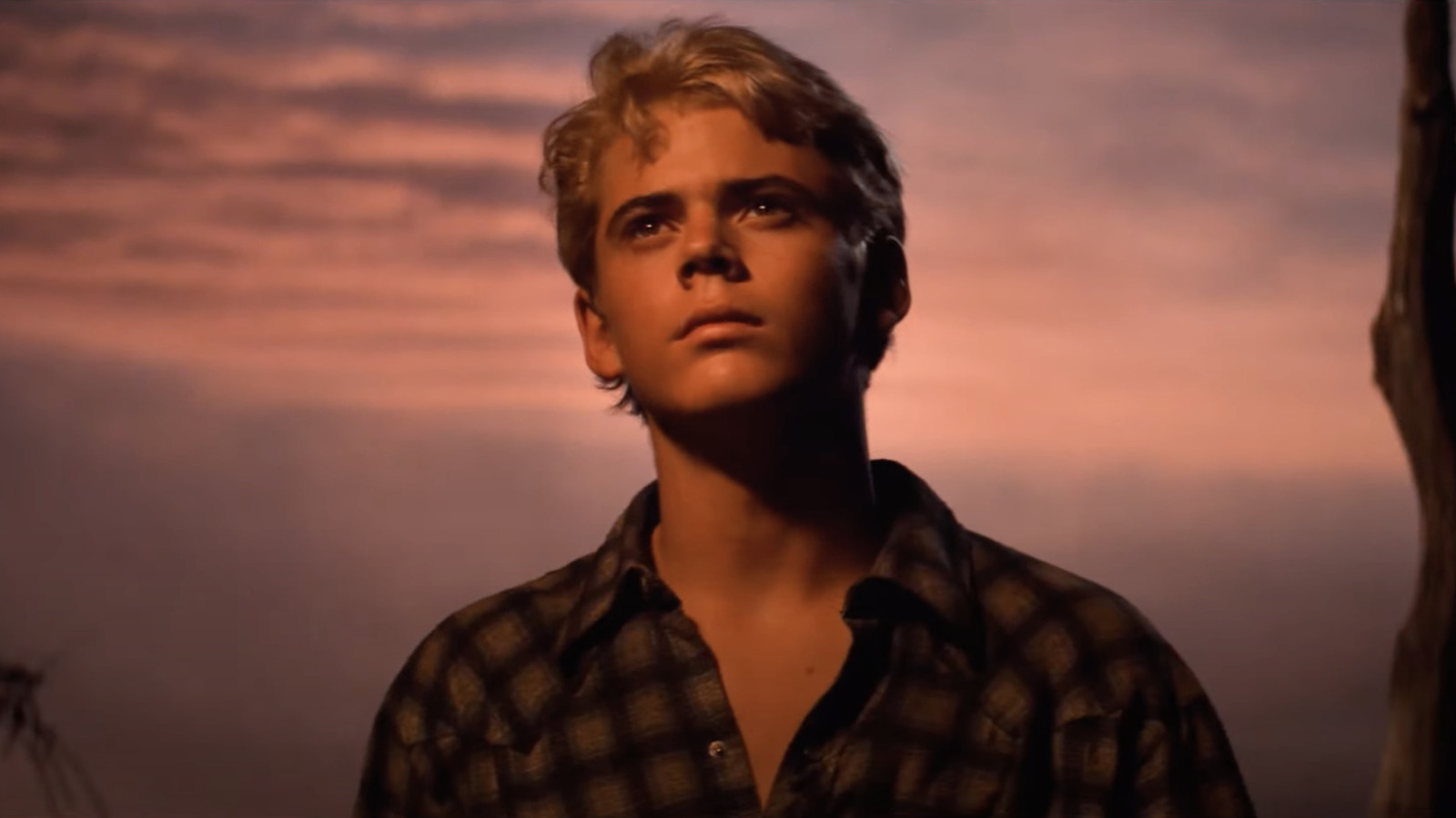
Since its publication, *The Outsiders* has remained a cornerstone of young adult literature, largely due to Ponyboy’s relatability. His voice—equal parts vulnerable and observant—resonates with readers who have navigated the messy terrain of class, family, and identity. The novel’s adaptation into a 1983 film by Francis Ford Coppola further cemented its cultural footprint, with Ralph Macchio’s portrayal of Ponyboy capturing the character’s wide-eyed sincerity.
Educators continue to use the book to teach themes of social justice, empathy, and resilience. Ponyboy’s journey mirrors real-world struggles of marginalized youth, making the novel a timeless exploration of systemic injustice. His insistence on finding beauty in small moments—a sunrise, a poem, a shared cigarette—serves as a quiet rebellion against a world that often devalues the lives of the forgotten.
Conclusion: The Enduring "Stay Gold" Message
Ponyboy Curtis is more than a literary character; he is a symbol of resilience in the face of adversity. Through his eyes, *The Outsiders* challenges readers to look beyond stereotypes and recognize the shared humanity that connects the privileged and the marginalized. His evolution from a frightened boy to a young man who understands the weight of loss and the importance of compassion is a testament to the enduring power of storytelling. In a world still grappling with inequality, Ponyboy’s call to "stay gold" remains as poignant as ever—a reminder to hold onto kindness, curiosity, and hope, even when the night feels endless.
Related Post
Who Is Ponyboy Curtis: Dissecting The Iconic Outsider From The Outsiders
The Quiet Rebellion: How Ponyboy Curtis Defined a Generation and Reshaped Youth Identity

Ponyboy Curtis: The Soul Behind The Greaser Lens — A Deep Dive Into The Protagonist of *The Outsiders*

Ponyboy Curtis: The Quiet Turmoil of a Teenager Caught Between Two Worlds


