The Evolution of the Coldplay Setlist: How the Band’s Songbook Has Adapted Through Eras
The Evolution of the Coldplay Setlist: How the Band’s Songbook Has Adapted Through Eras
Coldplay’s setlist has evolved from an anthemic debut framework centered on “Parachutes” into a sprawling, era-spanning narrative that reflects the band’s shifting aesthetics and audience expectations. What began as consistent trio encores of “Yellow,” “In My Place,” and “The Scientist” has matured into meticulously sequenced tours where deep cuts, political statements, and visual storytelling coexist with proven singalongs. This article examines how the Coldplay setlist has functioned as both a musical roadmap and a cultural barometer across distinct creative periods.
From the trembling intimacy of the “Parachutes” era to the maximalist stadium grandeur of “Music of the Spheres,” the setlist has been instrumental in defining how fans experience the band’s emotional arc live. By analyzing key tours, recurring patterns, and the intentional sequencing of songs, we can understand how Coldplay balances legacy with innovation every time they step on stage.
The early live identity of Coldplay crystallized around a compact, emotionally direct setlist that showcased the strengths of “Parachutes.” Shows typically opened with “Don’t Panic” as a gentle, almost hesitant invocation, immediately followed by the soaring chorus of “Yellow,” which functioned as both an invitation and a declaration. Setlist archives from 2001 to 2003 reveal a remarkable consistency, with encores reliably anchored by “In My Place,” “The Scientist,” and “Clocks,” forming a holy trinity that solidified their early identity. This period demonstrated that even with a relatively thin album catalog, the quality of songwriting and the band’s atmospheric delivery were enough to sustain a full show through variations in order and occasional deep cuts like “Shiver” or “Trouble.”
During the “A Rush of Blood to the Head” cycle, the setlist expanded to accommodate the album’s darker, more intricate material. Tracks such as “Clocks” and “The Scientist” remained centerpiece encores, but now shared billing with angular new numbers like “God Put a Smile upon Your Face” and the ominous “Warning Sign.” As Coldplay matured lyrically and sonically, the sequencing began to signal intent; a deliberate shift from the contemplative to the anthemic became a reliable pattern, priming audiences for the catharsis of the finale. This era cemented the idea that a Coldplay concert was not merely a song-by-song performance but a journey, with the setlist serving as the map.
The “Viva la Vida or Death and All His Friends” era marked a seismic shift in the band’s live architecture, reflected immediately in the Coldplay setlist. With a concept album built around historical allegory and orchestral breadth, the band adopted more theatrical sequencing, often opening with the title track to establish scope before diving into the record’s varied palette. “Violet Hill” introduced political commentary, while “Strawberry Swing” and “Life in Technicolor II” offered textural experimentation, demonstrating that the setlist was now as much about narrative flow as hit deployment. Encore strategy likewise transformed; “Viva la Vida” and “Paradise” frequently collided in the setlist, creating a dual-anthem climax that leveraged the band’s expanding dynamic range. This period illustrated that Coldplay were no longer simply playing their songs—they were curating experiences.
Post–“Mylo Xyloto,” the Coldplay setlist became increasingly aware of its own legacy, balancing newer material against a canon that fans expected to hear in full. Tours like the “Ghost Stories” cycle embraced intimacy, both musically and structurally, with the setlist often beginning in relative darkness before unveiling “Midnight” as a pivotal, glowstick-alike moment. By the time “A Head Full of Dreams” arrived, the setlist had evolved into a maximalist collage where deep cuts such as “A Hopeful Transmission” and “Charlie Brown” could coexist with stadium-sized hits like “Adventure of a Lifetime” and “Hymn for the Weekend.” The sequencing intentionally mirrored the album’s themes of resilience and joy, transforming the concert into a communal celebration rather than a linear narrative.
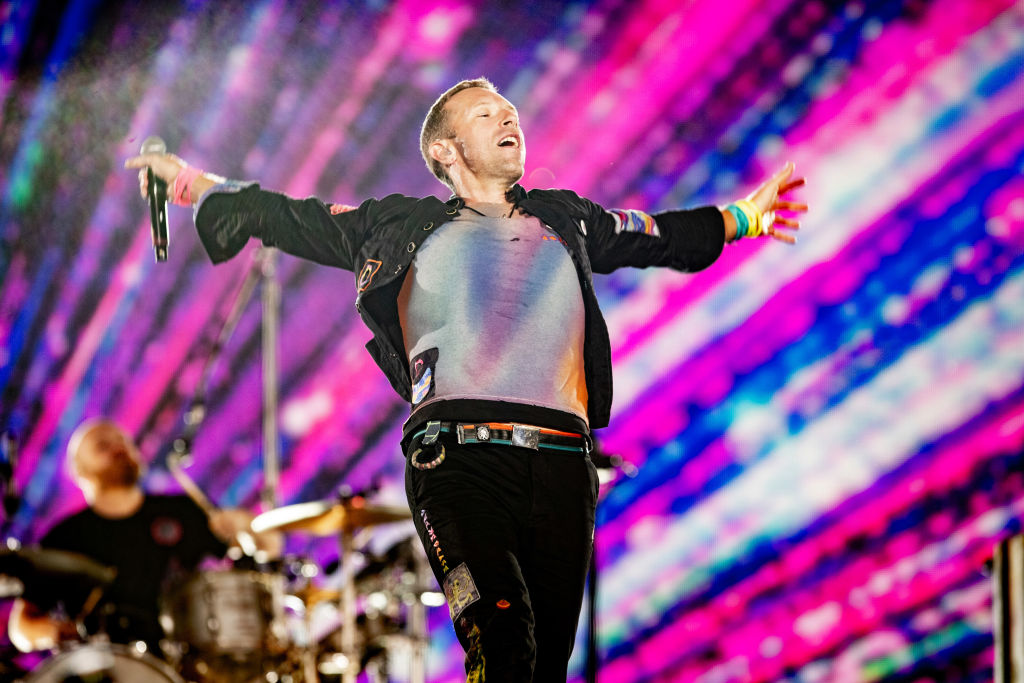
With “Music of the Spheres,” Coldplay’s setlist absorbed influences from K-pop, Afrobeat, and electronic production, resulting in a more modular approach. The band experimented extensively with “playlist” formats, detaching songs from their parent albums and reordering them to maximize energy arcs and audience participation. “Higher Power” and “My Universe” appeared early as modern calling cards, while classics like “Yellow” and “The Scientist” were carefully placed to punctuate the show’s peaks. Frontman Chris Parry articulated this philosophy when discussing the setlist’s fluidity, noting that the band sought to “honor the past while leaving room for the present,” allowing for nightly variations that kept the experience fresh for longtime attendees.
Political and social statements have increasingly shaped the Coldplay setlist, particularly from the “Everyday Life” era onward. The band began incorporating songs like “Arabesque” and “Orphans” alongside overtly anthemic material, using the setlist as a platform for global awareness. During the “Music of the Spheres World Tour,” Coldplay integrated eco-centric messaging into the sequence, timing “Human Heart” and “Infinity Sign” to align with broader themes of unity and sustainability. This conscious reordering reflects a band acutely aware of its cultural footprint, willing to adjust the Coldplay setlist not just for commercial appeal but to articulate values and provoke thought.
Technology has further influenced how the Coldplay setlist is constructed and delivered. Advanced data analytics, fan voting segments, and real-time social media interaction now inform setlist decisions, allowing the band to tailor shows regionally while maintaining a core architectural framework. Interactive elements, such as inviting audiences to choose between two deep cuts, have turned the setlist into a participatory event, reinforcing the sense of shared experience. The integration of extended visual backdrops and synchronized lighting cues has also meant that song order is now as much about visual storytelling as auditory impact, with sequencing designed to create narrative peaks that align with multimedia moments.
Certain songs have become immutable fixtures in the Coldplay setlist not merely because of popularity, but because of their symbolic weight. “The Scientist” regularly appears not just as a ballad but as a moment of collective vulnerability, often accompanied by visual motifs that underscore its themes of reflection and regret. Similarly, “Paradise” has evolved into an unambiguous opener in many tours, its lion imagery and triumphant melody serving as a bold statement of reinvention. These tracks function as pillars around which the rest of the setlist is arranged, their placement carefully calibrated to maximize emotional resonance.
Looking ahead, the Coldplay setlist will likely continue to evolve in response to both artistic ambition and audience expectation. As the catalog expands and retrospective tours become more prominent, the challenge for the band will be maintaining a balance between nostalgia and innovation. Early indications suggest that Coldplay will meet this challenge by embracing modularity, allowing different eras to coexist within a single show through thoughtful sequencing and thematic grouping. The setlist, in this context, becomes less a fixed document and more a living script that changes with each tour, each city, and each iteration of the band’s ever-deepening conversation with their fans.
Related Post

Unveiling the Mysteries of Coldplay's Setlist Guide: Your Ultimate Concert Companion