The First Color TV Revolution: How an Engineering Triumph Changed the Way the World Saw Reality
The First Color TV Revolution: How an Engineering Triumph Changed the Way the World Saw Reality
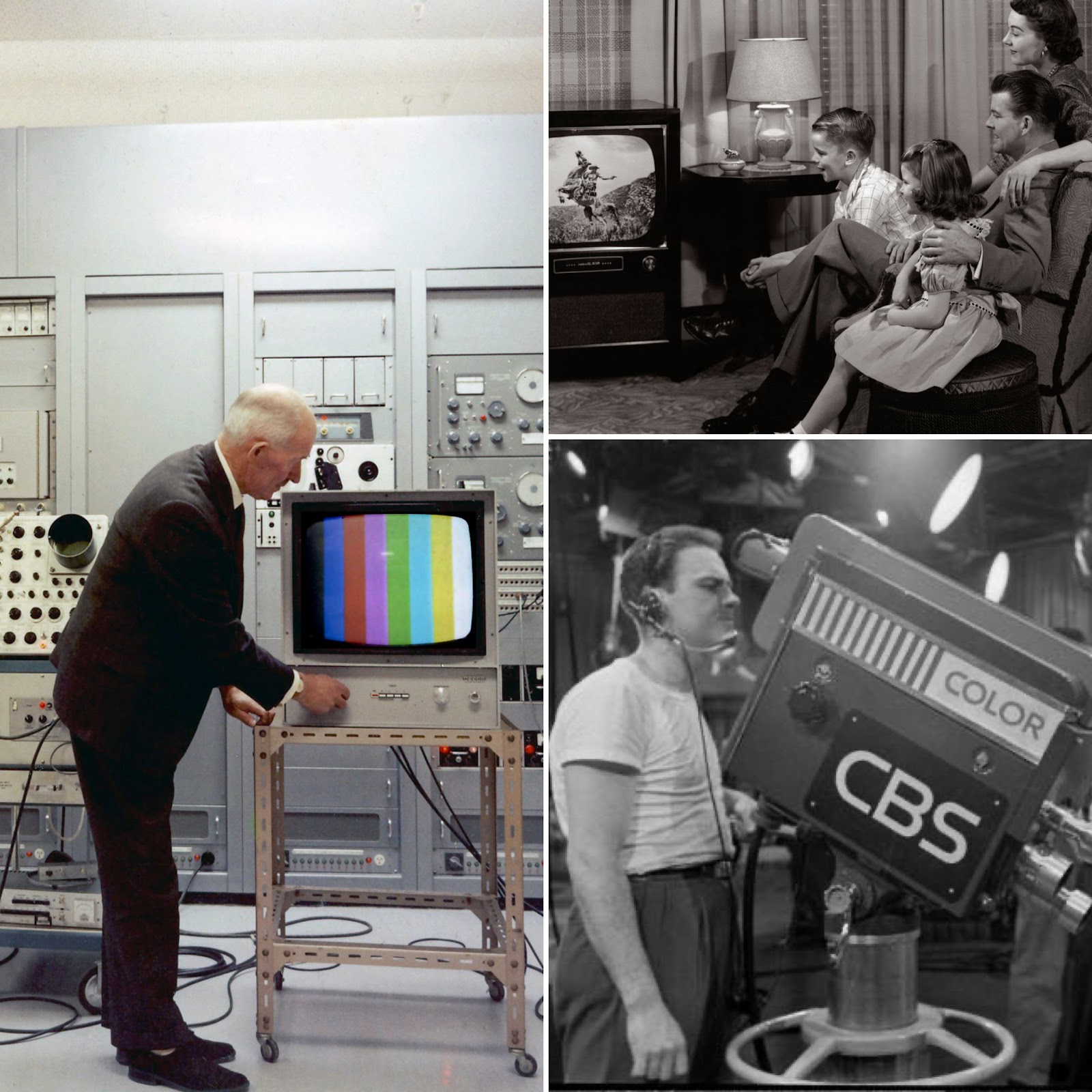
The leap from monochrome to color television marked a seismic shift in visual media, crystallized by the commercial launch of the first color TV broadcasts in the mid-1950s. This innovation did not simply add hue to images; it redefined advertising, entertainment, and the cultural perception of reality. The journey from a laboratory curiosity to a ubiquitous living room fixture involved fierce corporate rivalry and complex engineering standards that determined which technology would dominate the market for decades.
For consumers, the first color TV represented a futuristic luxury, a glowing portal that promised to make their favorite shows and events more vivid and immediate. However, behind the polished screens lay a battleground of incompatible transmission systems and manufacturing challenges that delayed mass adoption. Understanding this history reveals how a fragile new technology overcame skepticism to become the standard through which a generation experienced major historical events.
The Genesis of Color: From Theory to Transmission
The concept of transmitting color dates back to the late 19th century, but practical systems only emerged with the advancement of electronics in the 1940s. Engineers faced a critical constraint: how to transmit color signals using the existing black-and-white infrastructure without causing interference. The solution required a method that would be backward compatible, allowing monochrome sets to display a muted but recognizable picture while color sets could unlock the full spectrum. This necessity birthed the foundational technology that defined the first color TV for the public.
Two primary technical approaches emerged to solve this problem: sequential and simultaneous transmission. Sequential methods, like the field-sequential system, cycled through color filters so rapidly that the human eye perceived a full-color image. Simultaneous systems, however, encoded color information into the standard black-and-white signal, adding chrominance data alongside luminance. The choice between these paths would determine which national standard—American, European, or Japanese—would ultimately define the global landscape of color broadcasting.
The American Standard: NTSC and the Rise of Compatible Color
In the United States, the National Television System Committee (NTSC) developed a protocol that prioritized compatibility and commercial viability. Launched in 1953, the NTSC standard was a response to the earlier, mechanically complex system that had failed to gain traction. It introduced the concept of a "reference dot" within the colorburst signal, allowing television sets to synchronize and accurately reproduce colors. This technical elegance allowed the first color TV receivers to hit the market at prices that, while high, were within reach of middle-class families by the late 1950s.
Adoption was initially slow, hampered by the lack of color broadcast content. Manufacturers were hesitant to flood the market with sets that offered a monochrome picture with little color material to air. This chicken-and-egg problem was gradually solved when the networks began broadcasting programs in the new format. The tipping point came when major sporting events and popular sitcoms embraced the technology, validating the investment for consumers who had been on the fence.
Engineering Challenges and Manufacturing Milestones
The physical construction of the first color TV was a marvel of mid-century engineering. The image tube, or cathode ray tube (CRT), had to accommodate three electron beams (for red, green, and blue) instead of one. Furthermore, the screen required a specialized phosphor coating that could handle the higher energy levels without burning out or distorting the image.
Key manufacturing hurdles included:
- The Shadow Mask: A thin metal sheet with tiny holes positioned between the electron gun and the screen ensured that each beam hit the correct phosphor dot. Precision in manufacturing this mask was critical to prevent color purity issues.
- Color Convergence: Adjusting the electron beams to meet at precise points on the screen required intricate electromagnetic adjustments. Poor convergence resulted for the image appearing distorted or blurry.
- Phosphor Durability: The chemicals coating the inside of the tube had to be stable enough to last years of use without fading or developing image retention ("burn-in").
These challenges made the first color TV sets significantly more expensive to produce than their black-and-white counterparts. Despite the costs, companies like RCA, Zenith, and General Electric pushed forward, viewing the technology as the future of the industry.
The Cultural Impact: Changing the Way We See the World
The introduction of color television altered the aesthetic of popular culture. News broadcasts gained a new level of gravitas with the vivid imagery of global events, while advertising discovered a powerful new tool to influence consumer desire. Products appeared more vibrant and appealing, and directors used color to set moods and tell stories visually in ways that were impossible in monochrome.
As the technology matured, the distinction between the broadcast signal and the hardware began to blur. The "first color TV" transitioned from a specific model of RCA CT-100 to a standard feature across the industry. The focus shifted from the novelty of color to the quality of the image, paving the way for innovations like higher resolution, improved contrast, and eventually, digital television.
Looking back, the first color TV was more than a product; it was a paradigm shift in home entertainment. It connected families through shared, more realistic visual experiences and laid the groundwork for the visually saturated world of media we inhabit today.
Related Post