The Forbidden Fortress: Inside the Real U.S. Penitentiary Terre Haute
The Forbidden Fortress: Inside the Real U.S. Penitentiary Terre Haute
Located in the quiet cornfields of rural Indiana, the U.S. Penitentiary Terre Haute operates as one of the most critical and misunderstood components of the federal correctional system. Often hidden in plain sight, this maximum-security facility is the designated site for the federal government’s most dangerous offenders and, since 2019, the sole location for federal executions in the United States. This is the story of a carceral institution designed for isolation, where the architecture, routines, and history reflect the nation’s complex relationship with punishment, security, and justice.
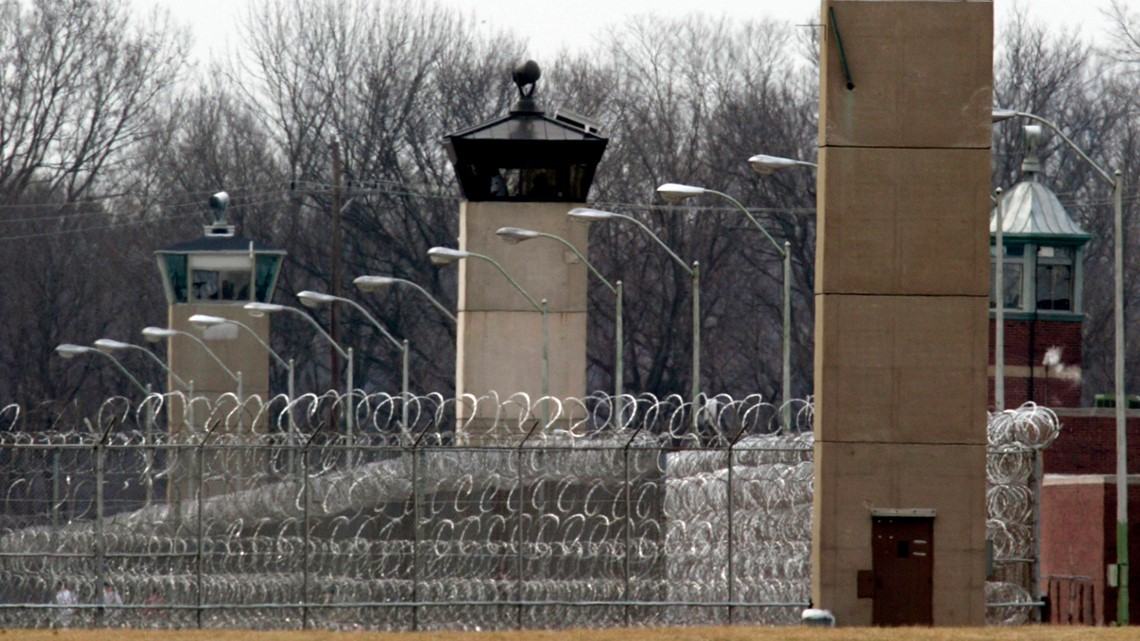
To the uninitiated, the term “penitentiary” evokes an image of grim stone walls and perpetual darkness, but the modern reality of USP Terre Haute is a landscape of razor wire, surveillance towers, and reinforced concrete blocks that rise from the flat Midwestern earth. The facility is part of a broader Bureau of Prisons (BOP) campus that includes a minimum-security camp and a medium-security satellite prison camp, creating a layered ecosystem of custody designed to manage a diverse population through a strict regime of control. For those on the outside, the prison is a distant abstraction, but for the individuals confined within its perimeter, it represents the final chapter of a life lived outside the law.
Understanding USP Terre Haute requires a look at its specific role within the federal system. Unlike low-level offenders who serve short sentences in county jails or community-based programs, the men housed here are generally considered the most disruptive and dangerous in the federal prison population. The BOP categorizes inmates based on a security classification system that assesses factors such as the nature of the offense, criminal history, and behavior in custody. Those deemed to require the highest level of security are sent to facilities like Terre Haute.
The daily rhythm of life at the penitentiary is dictated by a rigid schedule enforced by the constant ring of electronic bells and the watchful eyes of correctional officers stationed in elevated galleries. Inmates are confined to their cells for approximately 23 hours a day, with limited movement allowed only during designated recreation time or trips to the chow hall. The design of the housing units, known as "pods," facilitates surveillance but minimizes interaction, creating an environment where silence and observation are the primary tools of management.
* **Security Levels:** The facility houses inmates in varying security categories, from Administrative Maximum (ADX) to Medium Security, depending on institutional placement reviews.
* **Daily Routine:** Mornings begin before dawn with a headcount, followed by a monotonous cycle of meal service, limited exercise, and restricted movement.
* **Healthcare Concerns:** Access to medical and mental health care has been a persistent issue, with advocates arguing that the high-security environment complicates the delivery of adequate treatment.
The architecture of USP Terre Haute is purpose-built for control and containment. The cellblocks are constructed of reinforced concrete and steel, with small, barred windows that allow natural light but eliminate the concept of a true view of the outside world. The layout is designed to prevent prisoners from seeing one another’s cells, fostering a sense of isolation even in a population setting. Chain-link fences topped with razor wire surround the main compound, and guard towers are positioned at regular intervals to ensure that no blind spots exist within the lines of sight.
Beyond the physical barriers, the technological infrastructure is equally imposing. Motion sensors, surveillance cameras, and biometric scanners monitor movement throughout the facility. The use of "less than lethal" deterrents, such as pepper spray and rubber bullets, is standard protocol for managing disturbances, minimizing the need for physical intervention by guards. This technological fortress is not merely a deterrent to inmates; it is also a defense against potential external threats, a reminder of the perceived necessity of keeping the most condemned individuals separated from society.
The history of the complex is intertwined with some of the most significant and controversial moments in modern American justice. While the current high-security prison has been in operation for decades, the site is perhaps most widely known as the home of the federal death row. Prior to 2019, federal executions were carried out at various locations, but the Department of Justice centralized the process at Terre Haute, constructing a dedicated facility within the compound. This decision brought the abstract debate over capital punishment into sharp focus, as the previously anonymous institution became the stage for the final acts of the federal government’s most controversial judicial rulings.
Since the resumption of federal executions in 2019, USP Terre Haute has been the epicenter of intense legal and ethical scrutiny. Inmates are housed in ADX units, and the procedures surrounding the death chamber are conducted with a level of secrecy that contrasts sharply with the transparency demanded by civil rights groups. The facility has become a focal point for debates about the morality of state-sanctioned execution, the efficacy of the death penalty as a deterrent, and the treatment of individuals awaiting final judgment. The concrete walls of Terre Haute, therefore, do not just contain people; they contain the nation’s deepest conflicts regarding punishment and retribution.
The human element within the prison is often obscured by the statistics and the security protocols, but it remains the most vital component of the story. Inmates arrive from every corner of the country, carrying with them the scars of lives marked by violence, poverty, and addiction. Correctional officers, many of whom work rotating shifts in a high-stress environment, are tasked with maintaining order in a setting where tension is a constant undercurrent. The relationship between the incarcerated and the staff is a fragile one, governed by rules, routines, and the ever-present potential for conflict.
The impact of USP Terre Haute extends far beyond the prison walls, affecting the rural community of Terre Haute, Indiana, economically and socially. The facility is one of the largest employers in the region, providing jobs for correctional officers, administrative staff, and maintenance personnel. However, this economic boon is often tempered by the social stigma associated with living in the shadow of a high-security prison. Local businesses adapt to the unique rhythms of the prison economy, and the presence of the facility shapes the demographic and cultural landscape of the town in ways that are visible but rarely discussed.
As the federal government continues to grapple with questions about mass incarceration and criminal justice reform, the U.S. Penitentiary Terre Haute remains a symbol of the system’s enduring commitment to incapacitation and control. It is a place where the theories of punishment are translated into the reality of concrete cells and monitored movement. For the inmates locked inside, it is a world defined by loss of freedom, and for the officers who work there, it is a demanding job in an environment governed by security above all else. It stands as a stark reminder of the costs of crime and the complexities of justice in modern America.
Related Post
Deadly Precision: The Infamous U.S. Penitentiary Terre Haute Indiana


