The Golden Throats of a Decade: Defining the Iconic Landscape of 80s Male Singers
The Golden Throats of a Decade: Defining the Iconic Landscape of 80s Male Singers
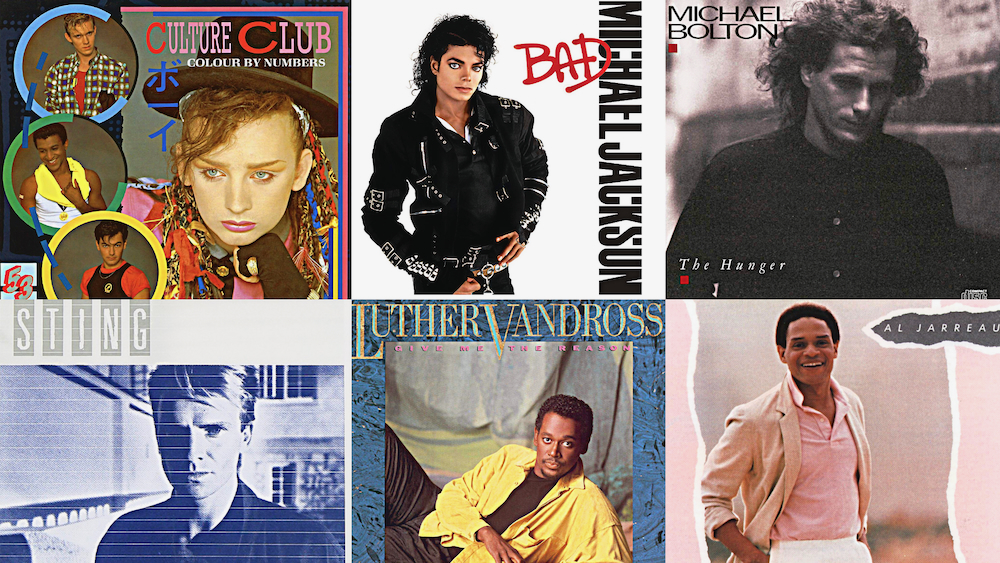
The 1980s presented a paradoxical sonic landscape where technological innovation met unvarnished vocal prowess, creating a decade of unforgettable male singers. This era birthed superstars who mastered the synergy between burgeoning music videos and powerhouse performances, defining pop, rock, and R&B for a generation. From the polished peaks of pop to the gritty depths of metal, the voices of the 80s remain instantly recognizable pillars of modern music.
The Ascendancy of Pop’s Crooners
No discussion of 80s male singers is complete without acknowledging the architects of pop perfection. These artists leveraged the decade’s visual medium to amplify their appeal, turning songs into full-fledged spectacles.
Michael Jackson: The King of Pop
While his 1979 solo album "Off the Wall" signaled a transition, it was the 1982 release of "Thriller" that cemented Michael Jackson’s status as the definitive pop icon of the decade. His vocal delivery was a masterclass in versatility, shifting from silky smooth falsetto to impassioned grit within a single phrase. Jackson’s influence extended far beyond the studio; he treated the music video as a crucial narrative device, turning "Thriller" and "Billie Jean" into cultural events that remain benchmarks for artists today.
Prince: The Purple Reign of Androgyny
Prince was the antithesis of the polished pop star. An instrumental virtuoso and prolific songwriter, his voice was a gritty, untamed instrument that defied categorization. With a staggering output of over 50正式 releases and a penchant for flamboyant, androgynous attire, Prince challenged norms and pushed boundaries. His 1984 album "Purple Rain" and its accompanying film showcased his ability to blend rock, funk, and pop into a singular, electrifying sound that was entirely his own.
Lionel Richie: From Commodores to Solo Sensation
Lionel Richie transitioned seamlessly from the sophisticated funk of the Commodores to a wildly successful solo career defined by romantic ballads and upbeat anthems. His voice, characterized by its warm, resonant timbre and silver-tongued phrasing, was perfectly suited for the melodic hooks that dominated 80s radio. Hits like "Hello" and "All Night Long (All Night)" showcased his ability to craft songs that were both emotionally resonant and irresistibly catchy, making him a mainstay of the era’s airwaves.
The Titans of Rock and Metal
The 80s were arguably the golden age of arena rock and the rise of glam and heavy metal. Male singers in these genres embraced theatrics, powerful vocals, and larger-than-life personas.
Bruce Springsteen: The Boss’s Enduring Reign
Though his breakthrough came in the late 70s, Bruce Springsteen’s influence peaked throughout the 80s with a series of sprawling, cinematic albums. His voice, a gritty blend of urgency and weariness, became the soundtrack for the working-class American dream. Springsteen’s live performances were legendary, marathon concerts where he channeled raw emotion and storytelling that connected deeply with his audience, proving that rock could be both intellectually stimulating and commercially massive.
Ozzy Osbourne: The Prince of Darkness
As the former lead singer of Black Sabbath, Ozzy Osbourne carved out a terrifyingly successful niche as the face of heavy metal’s darker side. His distinctive, often erratic vocal style—born from years of struggle and personal turmoil—became his signature. With anthems like "Crazy Train" and "Mr. Crowley," Osbourne tapped into a well of adolescent rebellion and fascination with the macabre, solidifying his status as a rebellious icon who terrified parents and thrilled teenagers.
David Lee Roth: The Embodiment of Excess
As the charismatic frontman of Van Halen, David Lee Roth was the personification of 80s rock excess. His vocal delivery was a high-wire act of athleticism and flamboyance, capable of shifting from a mischievous speak-sing to a soaring, stratospheric wail. Roth’s stage presence was unmatched, and his tenure with Van Halen produced some of the decade’s most enduring anthems, including "Jump" and "Panama," forever linking his name with the era’s hedonistic rock culture.
Innovators and Cross-Genre Mavericks
The best 80s male singers weren't confined to a single genre. They experimented with synthesisers, drum machines, and new recording techniques, creating sounds that were distinctly of their time.
Synth-Pop’s Smooth Operators
The rise of synthesizers gave birth to a sleek, electronic pop sound. Men like Howard Jones and Peter Gabriel embraced this technology, using it to create atmospheric, introspective music. Jones’s voice, light and yearning, was the perfect counterpoint to his computerized instrumentation, crafting hits like "What Is Love" and "No One Is to Blame." Gabriel, meanwhile, used his powerful, theatrical voice to deliver complex, socially conscious anthems like "Sledgehammer," proving that innovation and artistry could coexist.
New Wave’s Versatile Voices
The New Wave movement offered a wide array of vocal styles, from the detached cool of Robert Palmer to the new-wave smoothness of Phil Collins. Palmer’s deep, soulful baritone brought a rock-solid foundation to hits like "Addicted to Love," while Collins’s incredible falsetto on tracks like "In the Air Tonight" and "Sussudio" became synonymous with the era’s polished, electronic pop sound.
The Lasting Impact and Echoes of the Decade
The legacy of the 80s male singer is profound. The decade taught artists the power of the visual album and the importance of a distinct sonic identity. The vocal techniques, whether the polished precision of pop or the raw energy of rock, continue to influence contemporary music. Streaming services regularly see spikes in streaming for these classic hits, proving that the music of these icons remains timeless. Their songs are more than just nostalgia; they are the bedrock of modern popular music.
Related Post
Epic Voices of the 80s: The Powerhouse Male Singers Who Shaped a Decade of Music