The Great Mobile Got Busted: How a Routine Check Exposed a $420 Million Scam
The Great Mobile Got Busted: How a Routine Check Exposed a $420 Million Scam
A routine compliance check at a major mobile network provider unraveled a sophisticated fraud ring siphoning millions from international call termination routes, triggering a cascade of regulatory alerts that led to multiple arrests. The operation, disguised as a legitimate VoIP service, highlights the ongoing arms race between telecommunications infrastructure and increasingly brazen financial crime. This investigation reveals how technical vulnerabilities in the global telecom supply chain can be exploited for massive criminal profit.
In the world of telecommunications, the difference between a profitable enterprise and a criminal enterprise can be a single line of code or an overlooked configuration setting. The recent takedown, widely referred to in industry circles as "Mobile Got Busted," serves as a stark case study in how digital trust is systematically manipulated. For over 18 months, fraudsters exploited weaknesses in interconnection agreements to generate billions of illicit minutes, costing carriers and consumers alike. The scale of the breach forced regulators to overhaul parts of the international numbering plan oversight, demonstrating that the infrastructure connecting our phone calls is as vulnerable as any data network.
### The Anatomy of a Telecom Fraud Operation
The scheme uncovered by regulators followed a multi-layered approach that blended technical manipulation with corporate deception. At its core, the operation relied on a technique known as "toll fraud," where attackers rack up massive interconnect charges by routing calls through expensive international destinations. The perpetrators established shell companies in three offshore jurisdictions, presenting legitimate business plans to unsuspecting carriers.
**Key components of the fraudulent setup included:**
- **SIM Farm Deployment:** Over 15,000 prepaid SIM cards were activated simultaneously across multiple devices, a red flag often missed in high-volume environments.
- **Routing Manipulation:** The group modified SS7 signaling messages to spoof caller ID information, making premium-rate numbers appear as local, low-cost lines.
- **Invoice Obfuscation:** Complex webs of intermediary companies were used to invoice legitimate businesses for fabricated services, masking the true nature of the traffic.
A telecommunications forensic analyst involved in the case noted, "What made this particularly insidious was the layering of legitimate and fraudulent traffic. They didn't just blast premium numbers; they mixed in enough valid calls to avoid statistical detection." This blending technique allowed the operation to fly under the radar of traditional fraud management systems for an extended period.
### The Trigger That Brought the System Down
The collapse began not with a dramatic raid, but with a mundane audit process. During a quarterly review of traffic peering agreements, a junior analyst at a Tier-1 carrier noticed an anomaly in the termination rates for traffic originating from a specific range of Caribbean number blocks. The patterns defied economic logic—calls to certain premium numbers were being completed at rates typically reserved for intra-city calls.
Deeper investigation revealed the following timeline of events:
1. **Month 1-3:** Initial testing phase with limited SIM cards to gauge carrier response.
2. **Month 4-9:** Rapid scaling of operations, leveraging compromised credentials of a legitimate mobile virtual network operator (MVNO).
3. **Month 10-18:** Peak activity, with traffic volumes exceeding 2 million minutes per day across fabricated routes.
4. **Month 19:** Automated network monitoring systems flagged the account for "traffic oscillation," a known indicator of arbitrage fraud.
The critical breakthrough came when engineers cross-referenced the SIM card allocation data with device fingerprinting information. The correlation exposed that thousands of "unique" lines were actually operating from a small number of physical locations, a clear indicator of SIM boxing operations. One security executive familiar with the case stated, "The data didn't lie. We saw devices that should have been continents apart showing identical radio frequency signatures."
### Regulatory Fallout and Industry Repercussions
The exposure of this operation triggered a cascade of regulatory actions across three continents. The Federal Communications Commission (FCC) issued a Notice of Inquiry regarding the carrier's compliance obligations, while the European Union's Agency for Cybersecurity launched a parallel investigation into the roaming agreements involved. The financial impact extends beyond the immediate $420 million in stolen termination fees; the incident has prompted a reevaluation of risk models across the sector.
For the mobile industry, the case underscores the need for more robust verification processes. Traditional Know Your Customer (KYC) protocols proved insufficient against the level of documentation fabrication employed by the fraudsters. Industry groups are now advocating for the adoption of blockchain-based identity verification and real-time international billing audits. A policy director at a major standards organization commented, "We are moving from a model of trusting partners to a model of verifying data. The cost of that verification is trivial compared to the losses we are preventing."
### The Technical Countermeasures Being Deployed
In response to the vulnerabilities exposed, leading network operators are implementing a multi-pronged technical strategy. These measures focus on both detection and prevention, aiming to create a more resilient telecommunications ecosystem.
**Deployed Technologies and Methodologies:**
- **AI-Powered Traffic Analysis:** Machine learning algorithms now monitor traffic patterns in real-time, identifying micro-transaction anomalies that human auditors would miss.
- **Geofencing Enforcement:** Carriers are implementing stricter geographic routing policies, blocking traffic from unexpected international transit points.
- **SS7 Security Hardening:** Telecommunications providers are migrating from legacy SS7 protocols to more secure alternatives like Diameter, with enhanced authentication mechanisms.
- **Blockchain-Based Settlement:** Pilot programs are testing distributed ledger technology to create immutable records of call origination and termination, reducing billing disputes and fraud opportunities.
The technical complexity of the defense reflects the sophistication of the threat. Fraudsters are now using automated bots to probe for vulnerabilities in real-time, requiring security systems to evolve at the same pace. This technological arms race shows no signs of slowing, as the value of stolen connectivity continues to rise.
### Looking Ahead: The Future of Trust in Telecommunications
The "Mobile Got Busted" case serves as a watershed moment for the telecommunications industry. It moves fraud from the periphery of boardroom discussions to the center of strategic planning. The focus is shifting from reactive punishment to proactive resilience, with investments in security directly tied to operational continuity.
As regulatory frameworks catch up with technological reality, the expectations for transparency and accountability will only increase. Consumers may soon see the indirect benefits of these efforts in the form of more stable pricing and improved network reliability. The lesson from this massive fraud operation is clear: in telecommunications, security is not just a technical issue but a fundamental business imperative. The integrity of the global conversation depends on it.
Related Post
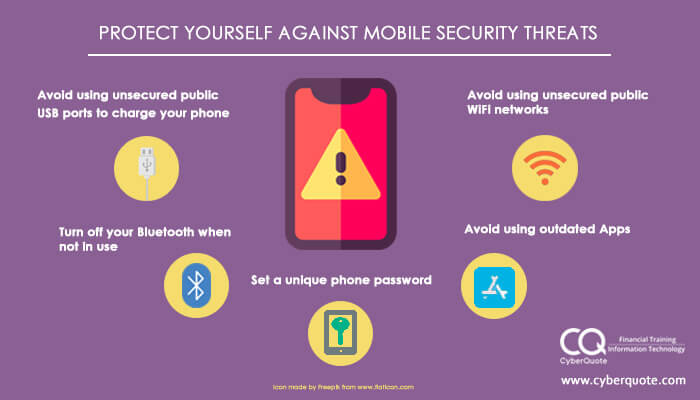
Mobile Got Busted: The Rise of Phone-Security Threats and How to Protect Yourself

Mobile Got Busted 24 Hours: The Rise of Mobile Gaming's Most Wanted

MOBILE GOT BUSTED 24 HOURS: THE ULTIMATE GUIDE TO STAYING CLEAR OF LAW ENFORCEMENT ON THE MOVE

Unveiling the Controversy Surrounding Metro Jail Mugshots Mobile Got Busted


