The Great UCSD Parking Crisis: How Demand, Design, and Dollars Collide on Campus
The Great UCSD Parking Crisis: How Demand, Design, and Dollars Collide on Campus
Across the University of California San Diego campus, the ritual of circling lots in search of a spot has become a shared rite of passage and a persistent source of tension. With a student body exceeding forty thousand and a sprawling, cliffside footprint, parking here is less a convenience than a high-stakes logistical puzzle. This report examines how growth, geographic constraints, and shifting policy have shaped the daily battle for space, and what that reveals about the future of mobility at UCSD.
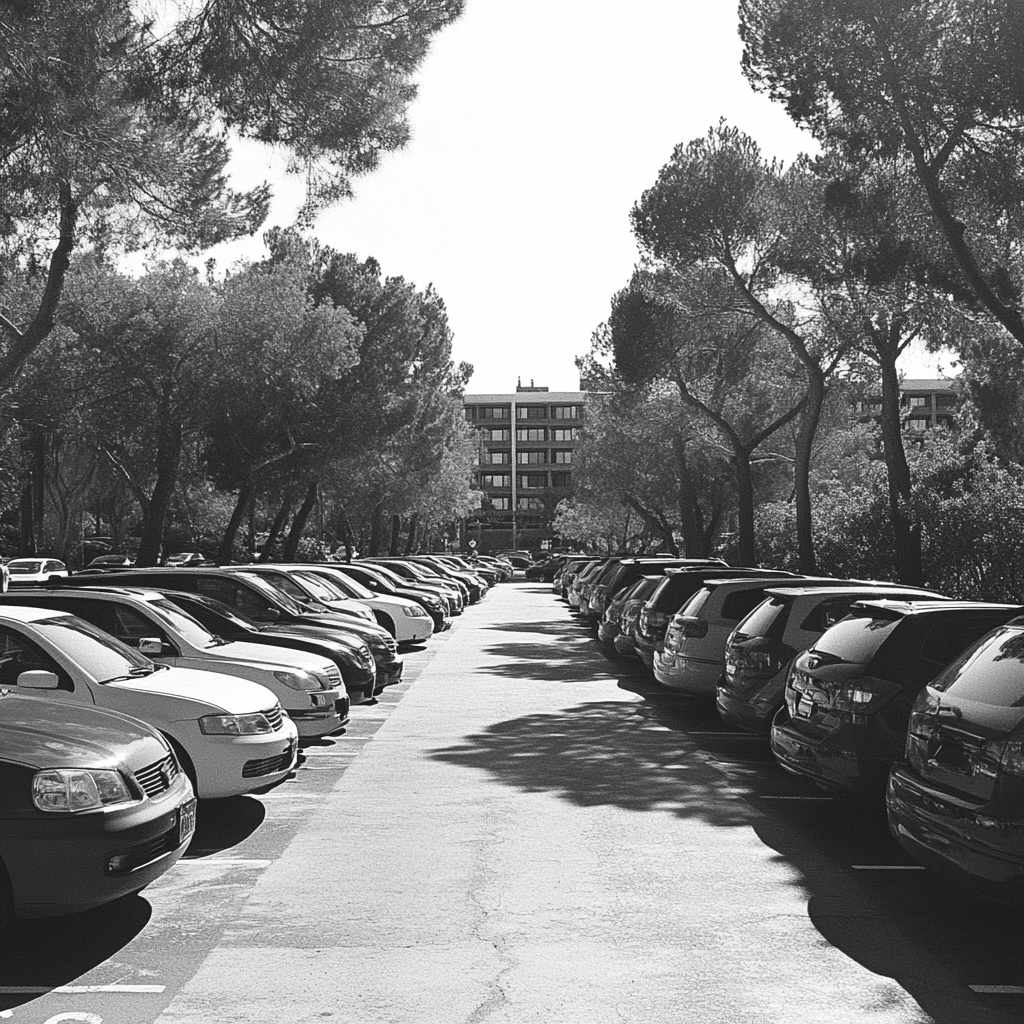
The numbers paint a stark picture of scarcity. UCSD’s master plan documents indicate that even after decades of steady lot construction, the university still operates well below its own stated parking ratio targets for current enrollment. On peak days during winter and spring quarters, data from Transportation and Parking Services shows utilization rates in main lots regularly exceeding ninety percent by mid-morning. For students, staff, and faculty who rely on cars, this means a calculus that extends far beyond simply arriving early.
"The parking system here is a pressure valve. When it fails, the whole campus feels the strain."
— Transportation and Parking Services Leadership, 2022 Town Hall
Geography is a central antagonist in the UCSD parking story. The campus is divided by the I-5 freeway, with undergraduate housing and academic buildings perched on the mesa above and lots often located below. This vertical separation means that a short walk can feel like a significant journey. Natural features, such as canyons and protected environmental areas, limit where new pavement can be poured. Existing circulation routes wind through residential neighborhoods, complicating both access and the desire to expand surface lots further.
Cost is another powerful driver. Each parking permit carries a substantial fee, a fact not lost on students already navigating high tuition and living expenses. These fees are framed as part of a transportation funding model that also supports bus services, bike infrastructure, and traffic enforcement. However, the equation is complex. Students paying for spots that are already full, or those who cannot afford permits, experience the system in sharply different ways.
The permit allocation process itself is a layered system designed to prioritize different groups. Undergraduates, graduates, faculty, and staff each have distinct categories and timelines. Specific lots are often zoned for particular residency halls or academic departments, adding another layer of complexity. Violations for parking in the wrong zone or without a valid permit carry heavy fines, creating a culture of strict enforcement that students frequently cite in online forums.
- Annual permit prices have risen steadily, often tracking with general fee increases, placing a higher upfront financial burden on students.
- The university has experimented with shorter-term permits, aiming to offer more flexibility for incoming and graduating students.
- Reserved spots for carpooling and electric vehicles reflect an attempt to align parking policy with environmental goals.
Technology has begun to reshape the parking experience, though not without its own set of challenges. The transition to an all-digital permit system, while reducing paper waste, placed new demands on students to manage their access online. Real-time occupancy apps and sensors installed in select lots promise to ease some of the searching, but coverage remains inconsistent across the campus’s hundreds of acres. For every student benefiting from a live update on lot availability, another encounters an error message or a delayed refresh.
The conversation around parking at UCSD is increasingly tied to the broader question of what the campus should become. Advocates for reduced car dependency point to expanding bus routes, enhanced bike lanes, and improved pedestrian pathways as the solution to chronic congestion. Critics of this approach argue that such measures do not do enough for the students and staff who live far off-campus or have mobility needs that require driving. This tension is evident in heated discussions about converting parking lots into green spaces or housing, a zero-sum proposition that pits environmental and density goals against the immediate demand for car storage.
A look at the data reveals a campus in motion, but one still anchored by the car. Surveys conducted by the university show a decline in single-occupancy vehicle trips over the past decade, yet the absolute number of permits issued continues to climb. Buses fill beyond capacity during peak hours, and bike counters along designated routes show consistent use, but also highlight gaps in connectivity. The parking lots, even when not at full capacity, remain a visible symbol of how deeply a car-centric model is embedded in the daily life of the institution.
The future of getting around at UCSD will likely involve a patchwork of tweaks rather than a single, sweeping revolution. Incremental expansions of existing lots are balanced against the creation of more efficient structures and the careful repurposing of underused spaces. The ongoing dialogue among students, faculty, and administration continues to shape policy, with parking serving as a constant, tangible metric of success or failure. For now, the morning ritual of scanning for a spot remains a defining, and often debated, feature of the UCSD experience.
Related Post

Ucsd Parking Permit
Unlocking The Benefits Of Ucsd Parking Permit: The Full Guide Exposed, The Secrets You Can't Miss
The Ultimate Guide to UCSD Parking Permits: Navigating Costs, Lottery, and Alternatives
Revolutionizing Parking at UCSD: Innovative Solutions to Relieve Campus Parking Chaos


