The Harris And Klebold Blueprint: Inside The Columbine Planning And Legacy
The Harris And Klebold Blueprint: Inside The Columbine Planning And Legacy
On April 20, 1999, two seniors at Columbine High School in Littleton, Colorado, carried out a shooting that killed twelve students and one teacher, injured twenty-four others, and then took their own lives. What followed was not only a national tragedy but a meticulous public record of premeditation, drawing unprecedented attention to adolescent alienation, access to firearms, and the anatomy of planned violence. In the years since, the combination of Eric Harris and Dylan Klebold has become synonymous with a new model of public mass murder, one shaped by digital diaries, shared animosity, and a deliberate search for notoriety.
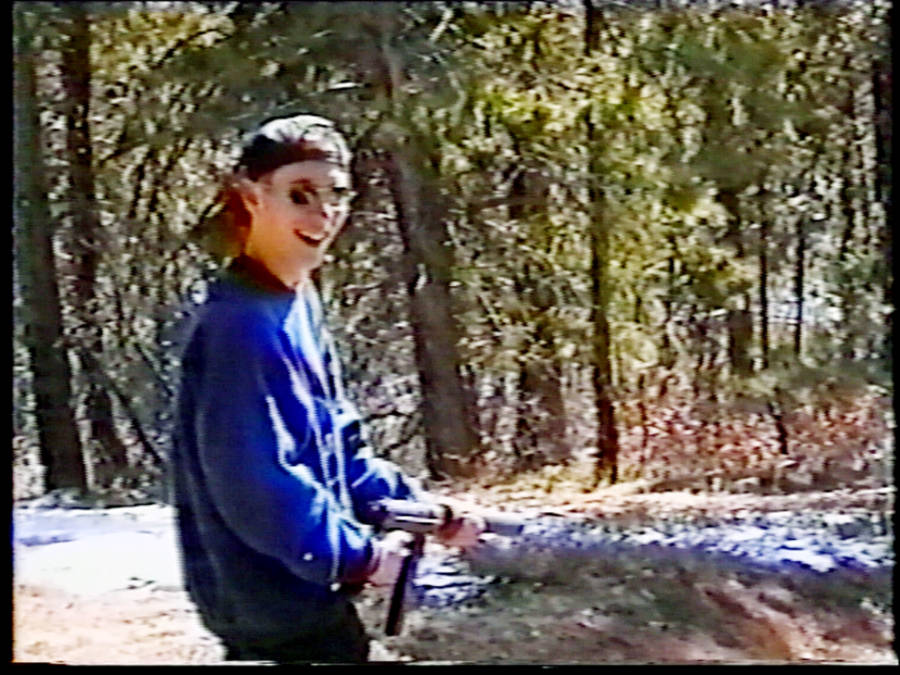
From the first hours after the attack, investigators presented a clear picture of a conspiracy rather than a spontaneous outburst. Harris and Klebold methodically assembled weapons, improvised explosives, and gear, documenting their progress in journals and on a homemade video titled "Hitmen for Hire" made months before the incident. Federal and state reports, along with grand jury transcripts released over time, charted how the pair rehearsed routes, targeted specific students, and selected timing to maximize casualties during an outdoor lunch shift that would concentrate students in the school courtyard.
The pair’s online presence has become a major focus for understanding how they framed their act. In their private journals, which were partially published in official summaries and presented in court, Harris in particular articulated what he described as a profound sense of rejection, superiority, and moral detachment. They complained of being marginalized by popular cliques, described teachers as unfair, and expressed a fascination with violent video games, militaristic imagery, and the idea of leaving a historical mark through bloodshed. Their journals blended grandiose self-mythologizing with petty grievances, creating a hybrid manifesto that mixed personal resentment with ideological rhetoric.
A technical appendix attached to the official report compiled physical evidence seized from their homes, including pipe bombs, propane tanks, and blasting caps, alongside ammunition stockpiled in their bedrooms. Court filings detailed how Harris, who was the more technologically inclined of the pair, operated a primitive website where he posted bomb-making instructions and violent content, while Klebold, though less overtly confrontational in writing, participated in planning and logistics. Law enforcement interviews with families, friends, and acquaintances, as summarized in investigative files, emphasized missed warning signs, casual boasting in school hallways, and online comments that adults dismissed as teenage bravado rather than credible threat indicators.
- Improvised explosive devices constructed from propane tanks, gunpowder, and fireworks, intended for detonation in the cafeteria.
- Two sawed-off shotguns, a TEC-9 semi-automatic pistol, a 9mm carbine, and thousands of rounds of ammunition carried in duffel bags and tool bags.
- Military-style clothing, tactical boots, and white Rockport boots for Harris, chosen to resemble images of commandos in magazines.
- A variety of knives, tear-gas pistols, and propane tanks positioned in backpacks and lockers throughout the school.
The shooting unfolded in distinct phases, with Harris and Klebold entering the school shortly before the final bell and moving through hallways armed with video cameras to record their actions. In the library, where much of the carnage occurred, they exchanged gunfire with sheriff’s deputies who had responded within minutes, creating a chaotic standoff that ended with both students dead from self-inflicted gunshot wounds. The decision to end their lives, rather than be captured, aligned with a narrative of control and legacy that Harris had articulated in writing, suggesting a desire for a dramatic exit that would cement their infamy.
In the immediate aftermath, the nation grappled with how to contextualize the event without simplifying it. Political leaders debated gun control, mental health access, and the influence of violent media, while victims’ families pushed for transparency about what had been known and when. Schools across the country implemented new security protocols, adopted threat-assessment models, and expanded counseling services, while media organizations struggled with how to report on shooters without amplifying their message or creating copycat templates. Harris and Klebold became the default reference point for a category of crime that blended personal grievance with public spectacle.
Years of litigation, records requests, and public records releases have continued to shape the factual record around Harris and Klebold. Grand jury materials, search-warrant affidavits, and investigative reports describe in granular detail the acquisition of weapons, the testing of explosives on rural properties, and the pair’s use of hacked school email accounts to plan and taunt. At the same time, some of the most extreme expressions of rage and alienation found in their journals were cited by the defense during penalty-phase proceedings as evidence of Harris’s profound mental disturbance, even as prosecutors emphasized the calculated nature of the attack.
The legacy of April 20 also extends into cultural memory, influencing how later attacks are compared, framed, and investigated. Copycat threats, urban legends about accomplices, and a sprawling web of documentaries, books, and opinion pieces testify to the lasting imprint of the Columbine shooting. For law enforcement, the events underscored the need to take explicit threats, detailed journals, and concerning online behavior more seriously, while educators and mental health professionals continue to debate the balance between vigilance and pathologizing normal teenage angst. In examining the files, videos, and words left by Harris and Klebold, society confronts not only a specific crime but the broader challenges of identifying, intervening in, and understanding the complex currents that can lead vulnerable individuals to commit horrific acts.
Related Post