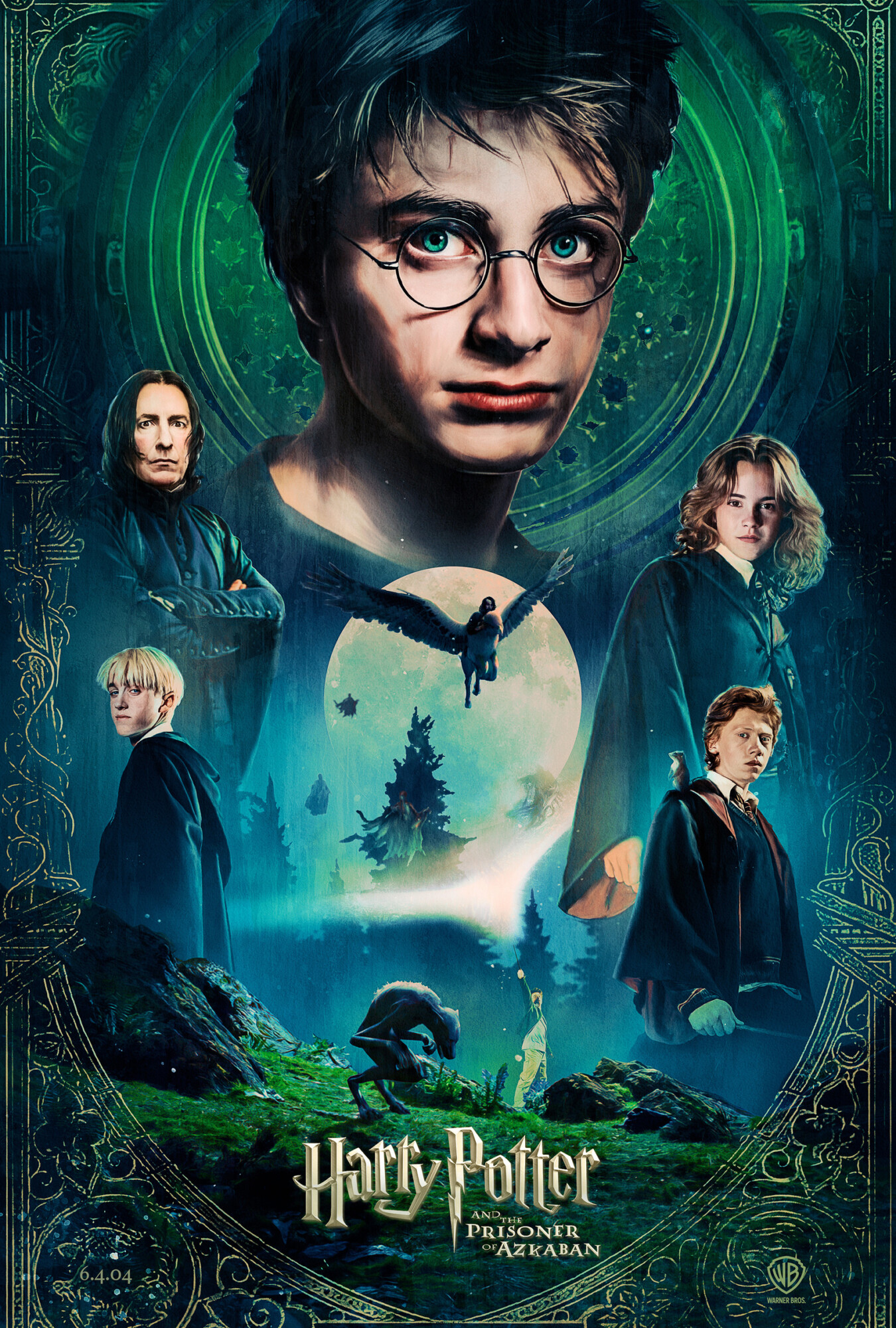
The Harry Potter And The Prisoner Of Azkaban Cast: Inside The Ensemble That Defined A Generation
The Harry Potter And The Prisoner Of Azkaban Cast: Inside The Ensemble That Defined A Generation
The third chapter in the Harry Potter saga brought a darker tone, a more mature cast, and an expanded roster of characters to the screen, with the ensemble of Harry Potter and the Prisoner of Azkaban forming the bedrock of its success. This film marked a pivotal transition from the comparatively intimate world of the first two entries to a sprawling narrative of time, trauma, and betrayal, demanding a corresponding evolution from its performers. Through a blend of returning faces and crucial new additions, the cast navigated themes of innocence lost and redemption, with their portrayals continuing to resonate long after the final credits rolled.
The core trio remained the undeniable heart of the story, with Daniel Radcliffe, Emma Watson, and Rupert Grint carrying the emotional weight of the narrative. Radcliffe’s Harry Potter matured from the wide-eyed boy of the previous films into a young man grappling with anger and a profound sense of injustice, particularly following the Dementor attacks. Watson’s Hermione Granger balanced academic brilliance with a fierce loyalty to her friends, her performance subtly shifting to accommodate the more complex, time-bending plot. Grint’s Ron Weasley provided the essential anchor of humor and heart, his character’s insecurities amplified as he contended with a new family dynamic and the terrifying visage of Sirius Black.
Beyond the central trio, the supporting cast of Harry Potter and the Prisoner of Azkaban can be categorized by their narrative function and the unique challenges their actors faced in bringing J.K. Rowling’s denser novel to life. The film required a seamless blend of veteran British talent and fresh faces to populate the halls of Hogwarts and the ominous reaches of Azkaban, with each performance carefully calibrated to serve the story’s intricate mechanics. The success of the ensemble ultimately hinged on the ability of these actors to convey a spectrum of emotions—from fear and suspicion to loyalty and ultimately, a form of hard-won peace—within a film that constantly destabilized the notion of time itself.
The introduction of the film’s primary antagonist necessitated a performance capable of oscillating between menace and tragic vulnerability. Gary Oldman’s portrayal of Sirius Black stands as one of the most iconic villain performances in modern cinema, earning specific praise for its depth and complexity. Oldman embodied the shapeshifting Black with a ferocity in his human form and a soulful despair in his dog guise, bringing a palpable gravity to the character’s wrongful imprisonment and desperate quest for redemption. In interviews, Oldman has noted the challenge of balancing the character’s initial portrayal as a suspected murderer with the eventual reveal of his noble heart, a duality that required a nuanced physical and vocal transformation.
The role of the seemingly benign yet deeply sinister Dementor, Azkaban’s soul-sucking guardians, fell to a cadre of performers whose physicality defined the creatures’ oppressive nature. While the visual effects created the Dementors’ imposing, hooded forms, the chilling effect was amplified by the actors’ performances and the iconic vocal work of stage actor and composer Jeremy Soule. More critically, the casting of Alastor “Mad-Eye” Moody provided a crucial anchor of weathered authority and eccentric menace. Brendan Gleeson’s performance as the Auror was lauded for its gravitas and understated power, his single, constantly moving eye conveying a lifetime of vigilance and battle-scarred experience. His famous line, “Clear eyes, says the man whose eyes are not clear,” became an instant piece of cinematic lore, highlighting the character’s complex relationship with truth and perception.
The expanded younger cast introduced new dynamics to the ensemble, with several actors stepping into roles that would grow in significance over the subsequent films. Evanna Lynch as Luna Lovecraft brought a serene, otherworldly quality to the film, her portrayal of the eccentric Ravenclaw becoming a source of unexpected wisdom and comfort. Similarly, Devon Murray and Alfred Enoch were promoted to the main cast roster as Seamus Finnigan and Dean Thomas, respectively, their screen time increased to flesh out the supporting student body. Perhaps most significantly, the introduction of the young Sirius Black, played by James and Oliver Phelps—better known as Fred and George Weasley—provided a poignant visual link between the past and present timelines, reminding the audience of the vibrant, pre-tragedy Marauders whose lives were irrevocably altered.
Another crucial element of the cast’s success was the seamless integration of the film’s temporal mechanics, which demanded a heightened level of coordination and performance. The frequent shifts between time periods, facilitated by Hermione’s Time-Turner, required actors to replicate their earlier performances with exacting precision. This technical feat was largely invisible to the audience, a testament to the cast’s professionalism and the director’s vision. The climactic scenes at Hogwarts, where multiple versions of the same characters interact simultaneously, stand as a high point of cinematic ensemble work, with actors having to react to ghostly reflections of their past selves and co-stars.
The legacy of the Harry Potter and the Prisoner of Azkaban cast extends far beyond the box office returns of 2004, as the film is frequently cited by fans and critics as the moment the series found its mature footing. The performances established a template for character complexity that would be followed in the darker, more politically charged entries that followed. The actors’ ability to navigate the film’s tonal shifts—from slapstick comedy in the Shrieking Shack to the profound sadness of the final revelations—cemented their status as more than just child stars, but as serious artists capable of carrying a major blockbuster. Their work in this specific chapter remains a benchmark for fantasy cinema, demonstrating how a talented cast can elevate intricate source material into a universally resonant piece of art.
Related Post
Harry Potter And The Prisoner Of Azkaban Cast Then And Now: Where Are They Now?