The Heavenly Kingdom Rebellion: Dissecting the Taiping Civil War’s Ambition, Faith, and Catastrophe
The Heavenly Kingdom Rebellion: Dissecting the Taiping Civil War’s Ambition, Faith, and Catastrophe
The mid-19th century Heavenly Kingdom Rebellion, or Taiping Rebellion, stands as one of the most colossal and destructive conflicts of the modern era. Launched by Hong Xiuquan, who proclaimed himself the younger brother of Jesus Christ, the uprising aimed to topple the Qing Dynasty and establish a theocratic "Heavenly Kingdom" on earth. Lasting over fourteen years from 1850 to 1864, the war ravaged southern China, claiming an estimated 20 to 30 million lives through battle, famine, and disease. It reshaped the Qing state, exposed the fragility of imperial China, and remains a pivotal, if brutal, chapter in the nation's path to modernity.
The Spark: Hong Xiuquan’s Divine Vision and Ideological Blueprint
The rebellion's genesis lies in the spiritual turmoil and socio-economic distress of Qing China. Hong Xiuquan, a failed civil service examination candidate from a Hakka peasant family in Guangdong, experienced a series of fever-induced visions in 1837. In these visions, he ascended to heaven, defeated demonic forces, and was appointed by God the Father, represented by the Judeo-Christian deity, to rid the world of demonic influence, which he identified with the Qing court and its corrupt officials. Drawing from a confused mix of Chinese millenarianism, iconoclastic Protestant theology, and utopian ideals, Hong formulated a blueprint for a new society.
His core doctrines, as disseminated through writings like "The Faith of the Later Han Dynasty" and the "Address to the Loyal and Faithful People of the World," were radical. He rejected the traditional Chinese religious and social hierarchy, condemned idolatry and ancestor worship, and promised radical social equality. Land and wealth were to be redistributed, private property was to be abolished in favor of communal "treasury bins," and gender equality was instituted, outlawing the foot-binding that crippled Chinese women. Hong Xiuquan declared himself the "Heavenly King," the literal son of God, and established a theocratic hierarchy that placed his followers in absolute authority.
The initial organizational phase, known as the "God Worshipping Society," grew steadily in the mountainous borderlands of Guangxi. From there, the movement transformed into a full-scale military rebellion in 1850. The Qing court, initially dismissive, soon recognized the existential threat posed by this messianic uprising that challenged both political legitimacy and cultural orthodoxy.
The March to the Yangtze: Early Victories and the Founding of the Heavenly Kingdom
The rebellion’s early momentum was staggering. In 1851, under the leadership of not just Hong Xiuquan but capable generals like Yang Xiuqing and Shi Dakai, the "Taiping" (Peaceful Caliph) forces defeated Qing armies in Guangxi and pushed north into Hunan. Their success stemmed from a potent combination of factors: zealous religious fervor that made them fearless, innovative military tactics that sometimes outmaneuvered the traditional Manchu-led Qing forces, and widespread popular support among peasants disenfranchised by famine, corruption, and heavy taxation.
By 1053, the Taiping army had captured Nanjing, a city of immense historical and symbolic importance. They renamed it Tianjing (Heavenly Capital) and established it as the capital of their "Heavenly Kingdom of Great Peace." This move was a direct challenge to Beijing, the Qing imperial seat. The Taiping administration implemented their radical social policies on a grand scale. They destroyed Confucian temples and idols, banned the possession of Chinese classics they deemed heretical, and suppressed the opium trade. For a time, the city became a strange amalgam of revolutionary utopia and rigid theocratic dictatorship.
The Internal Crucible: Fragmentation, Persecution, and the Loss of Ideals
However, the Heavenly Kingdom's internal coherence was fatally flawed. The alliance of convenience between Hong Xiuquan and his military commanders was precarious. Hong's increasing withdrawal into religious mysticism and his reliance on distant relatives for counsel created a power vacuum. Yang Xiuqing, the once-charismatic military leader, began to act with imperial arrogance, claiming prophetic authority that rivaled Hong's. This culminated in the "Tianjing Incident" of 1856, a week-long purge where Yang and his followers were slaughtered by orders of Hong Xiuquan and his cousin, Shi Dakai.
This internecine slaughter was a turning point. It decimated the rebellion's most effective military leadership, exposed its brutal and hypocritical nature to the world, and signaled the beginning of its decline. The unified ideological vision fractured. Shi Dakai, a genuinely devout and strategic genius, left Tianjing with his army to pursue his own campaign, fatally weakening the overall rebel effort. The Qing court, seizing the opportunity, began to enlist the help of regional Chinese militias, most notably the Xiang Army led by the formidable Zeng Guofan.
The Downfall: Foreign Intervention and Systematic Destruction
The Qing Dynasty, recognizing its own military inadequacies, increasingly relied on these hybrid regional forces equipped and trained by foreign advisors. The most critical of these was the "Ever Victorious Army," led by the British officer Frederick Townsend Ward and, after his death, the American Charles George Gordon. These units, fighting alongside the Qing, were instrumental in slowly strangling the Taiping hold on territory.
Furthermore, the Taiping's radical anti-Confucian and initially ambiguous stance on foreign relations eventually provoked the Western powers. While the rebels had early contact with British representatives like the diplomatic officer Lord Elgin, the relationship soured. The Taiping's fierce opposition to the opium trade and their failure to secure formal diplomatic recognition led the British and French, who were concluding their own war with China, to side with the Qing. The foreign artillery expert Gordon, in particular, played a decisive role in the siege of Tianjing.
The end was brutal and protracted. The Qing forces, under the relentless pressure of the Xiang Army and the Ever Victorious Army, tightened their noose around Nanjing. On July 19, 1864, imperial troops breached the city walls. What followed was a horrific sack. Qing forces, accompanied by their foreign advisors, indulged in a frenzy of plunder, rape, and massacre. The once-great capital of the Heavenly Kingdom was razed. Hong Xiuquan, reportedly suffering from a severe psychosis in his final days, died of illness shortly before the city's fall. His body was later exhumed and cremated by Qing forces in a final act of desecration.
Legacy: A Civilization Shaken to its Core
The human cost of the Heavenly Kingdom Rebellion is staggering and remains a subject of intense scholarly debate, but the consensus is that it was one of the deadliest conflicts in human history. While estimates vary widely, the death toll is commonly placed between 20 and 30 million people, a figure that includes not only soldiers but also millions of civilians who perished from warfare, starvation, and plague exacerbated by the conflict. The economic and social devastation of southern China was profound and set the region back by generations.
Despite its catastrophic violence, the rebellion's legacy is complex. It shattered the aura of Qing invincibility and forced the dynasty to adapt, eventually implementing the controversial "Self-Strengthening Movement." It demonstrated the potent and dangerous force of imported ideologies and the vulnerability of a rigid, traditional society facing internal decay and external pressure. The Taiping story is a grim testament to the power of religious zealotry, the fragility of utopian dreams, and the immense human price of civil war. It remains a stark warning of what happens when faith, ambition, and societal collapse collide with apocalyptic force.
Related Post

DC Traffic Woes: Understanding the Complexities of DC's Congested Roadways
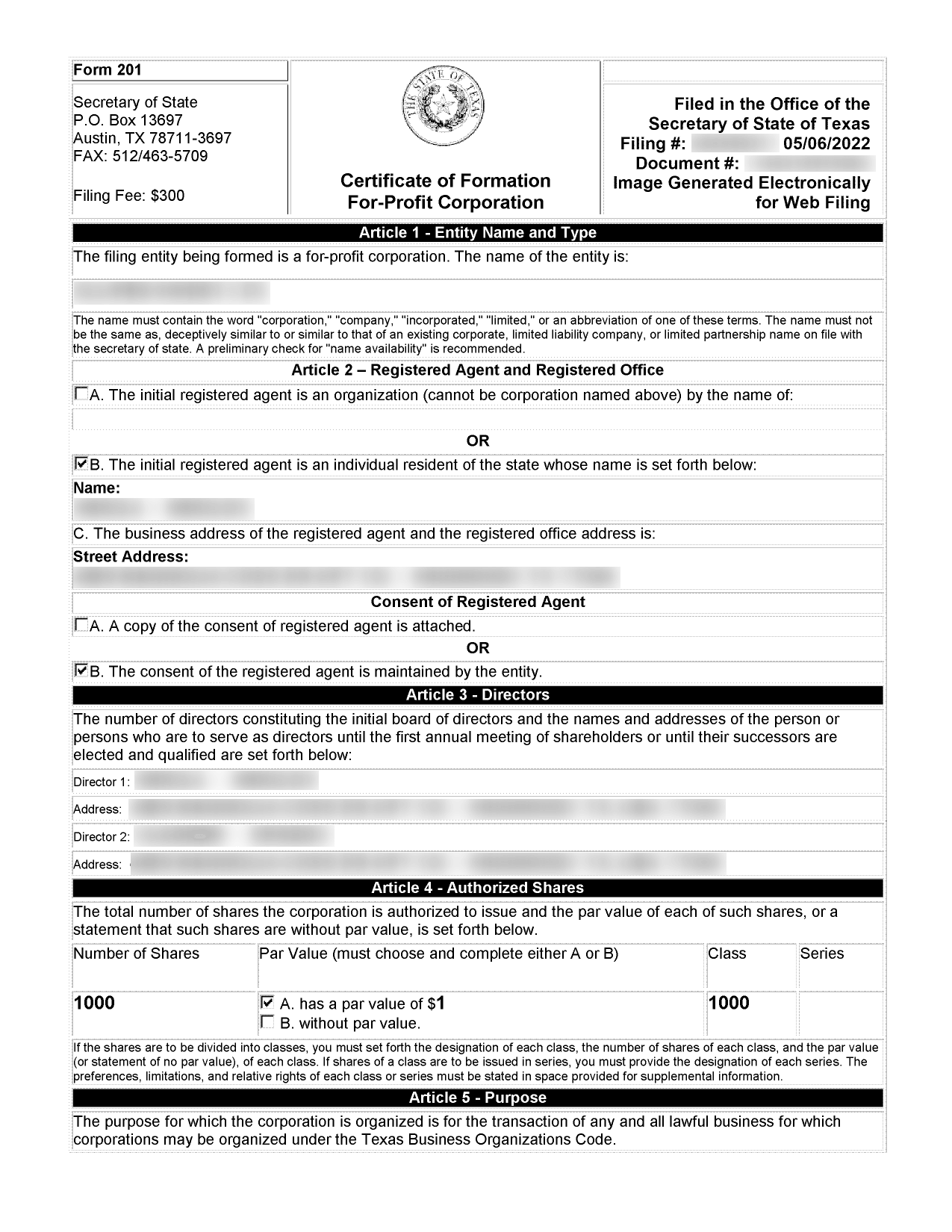
**Texas LLC: Your Quick Guide To Formation**

Shaping the Future of Science: The Anthropic Case for Human Ingenuity

Embracing Devotion: The Rising Popularity of Cross Tattoo Forearm


