The Hidden World of Hennepin County Jail Inmates: Stories, Systems, and Survival
The Hidden World of Hennepin County Jail Inmates: Stories, Systems, and Survival
Behind the stone walls and iron gates of the Hennepin County Jail in downtown Minneapolis lies a world that rarely sees the light of day. It is a place where the accused wait in limbo, navigating a complex maze of bureaucracy, bond hearings, and uncertain futures. This is the story of the inmates who pass through its doors, the systems that govern their days, and the fragile threads that tether them to life on the outside.
The Hennepin County Jail is not a prison in the traditional sense. It is a pretrial facility, meaning the majority of its population has not been convicted of a crime. Inmates are held while awaiting trial, bond hearings, or transfer to a correctional facility for a sentenced term. The average stay is often measured in days or weeks, but for some, the wait stretches into months. The reality is a mix of crowded common areas, the constant hum of activity, and the sharp tension of not knowing what comes next. For these individuals, the jail becomes an unexpected, and often unwelcome, pivot point in their lives.
The demographic makeup of the jail population reflects deeper, systemic issues within the criminal justice system. A significant portion of the inmates are individuals struggling with poverty, mental illness, and substance use disorders. They are often arrested for low-level, non-violent offenses such as theft, disorderly conduct, or probation violations. The inability to post bail, a financial barrier that can be hundreds or thousands of dollars, is a primary driver of prolonged detention. A person charged with a minor offense can remain incarcerated simply because they cannot afford to pay their way out, a reality that raises profound questions of equity and justice.
**The Intake and Initial Processing**
The journey into the Hennepin County Jail begins at the intake center. This is a high-stress environment where new arrivals are processed through a rapid series of steps designed to assess, classify, and catalog. The process is standardized but can feel dehumanizing.
1. **Booking:** An inmate is brought in, their personal belongings are confiscated, and they are fingerprinted and photographed for the Integrated Automated Fingerprint Identification System (IAFIS).
2. **Health Screening:** A medical screening is conducted to identify any immediate health concerns, communicable diseases, or mental health crises. This step is critical for safety but can be a bottleneck.
3. **Initial Classification:** An officer conducts a preliminary assessment to determine the inmate’s security level, housing assignment, and special needs.
4. **Information Entry:** Personal information, charge details, and next court dates are entered into the jail’s management system.
"The intake process is about safety and order, but it is also the first point of contact with a complex and often confusing system," explains a former detention officer who spoke on the condition of anonymity. "For many, it is a terrifying and disorienting experience."
**Life Inside the Facility**
Daily life inside the Hennepin County Jail is regimented and dictated by a strict schedule. The days are long, often filled with a mix of idleness and structured activity. A typical day might look like this:
* **Morning:** A wake-up bell rings, followed by a headcount. Inmates are required to make their beds and clean their living area.
* **Breakfast:** Meals are served in a large dining hall. The food is typically institutional, designed to meet basic nutritional requirements rather than culinary standards.
* **Recreation:** Inmates are usually granted at least one hour of out-of-cell time per day, which may be in a dayroom or outdoor cage. This time is crucial for mental health and provides a brief respite from the confines of a cell.
* **Programming:** The jail offers limited programming, such as GED preparation, substance abuse counseling, and anger management classes. Participation is often voluntary but can be a vital resource for those with time on their hands.
* **Evening:** The day winds down with another headcount and lights-out.
The environment is designed for surveillance and control. Officers in elevated towers monitor pod after pod of cells through glass partitions. The constant noise of clanging cell doors, muffled conversations, and television sets creates a persistent background din. Privacy is a luxury, and personal space is non-existent.
**The Challenges of Pretail Detention**
The psychological toll of pretrial detention is immense. Being held in jail before a trial, especially for those who are legally innocent, can be a traumatic experience. The uncertainty of the legal process, combined with the loss of autonomy, can exacerbate mental health issues.
"We see a lot of people who are just lost in the system," says a public defender who regularly represents clients at the Hennepin County Jail. "They come in with a mental health crisis or a substance abuse problem, and being locked up only makes it worse. They lose their job, their housing, their family support. The jail becomes a revolving door."
Another significant challenge is the issue of overcrowding. The facility is often operating near or above its capacity. This puts a strain on resources, increases tensions among inmates, and makes it difficult for staff to provide individualized attention. The risk of violence, while managed, is a constant concern in such a high-density environment.
**The Path to Release**
For many, the ultimate goal is release. This can happen in several ways:
* **Posting Bond:** An inmate or their family pays a cash bond or uses a bail bondsman to secure release.
* **Release on Own Recognizance (ROR):** A judge determines that the inmate is not a flight risk or a danger to the community and releases them without requiring a bond.
* **Pretrial Services:** A defendant may be released under the supervision of pretrial services, which may include check-ins, drug testing, and electronic monitoring.
* **Case Resolution:** The case may be resolved through a plea bargain or a trial verdict, leading to a sentence or an acquittal.
The work of the local public defender's office and community-based organizations is often the difference between remaining incarcerated and securing release. These groups provide legal representation, connect individuals with social services, and advocate for alternatives to detention.
One such organization focuses on providing bail assistance and case management. Their staff work directly with inmates and their families to navigate the complex legal and financial hurdles. "Our role is to be a bridge," says a program coordinator. "We help people understand their options and fight for their right to be released while their case is pending. It’s about more than just getting out of jail; it’s about preserving a person’s life while they await justice."
The Hennepin County Jail is a microcosm of the American criminal legal system. It is a place of confinement, but it is also a place of transition. The stories of its inmates are varied and often heartbreaking, reflecting a community grappling with issues of poverty, mental health, and public safety. Understanding the reality of the jail is the first step toward imagining a system that is not only more effective but also more just and humane.
Related Post
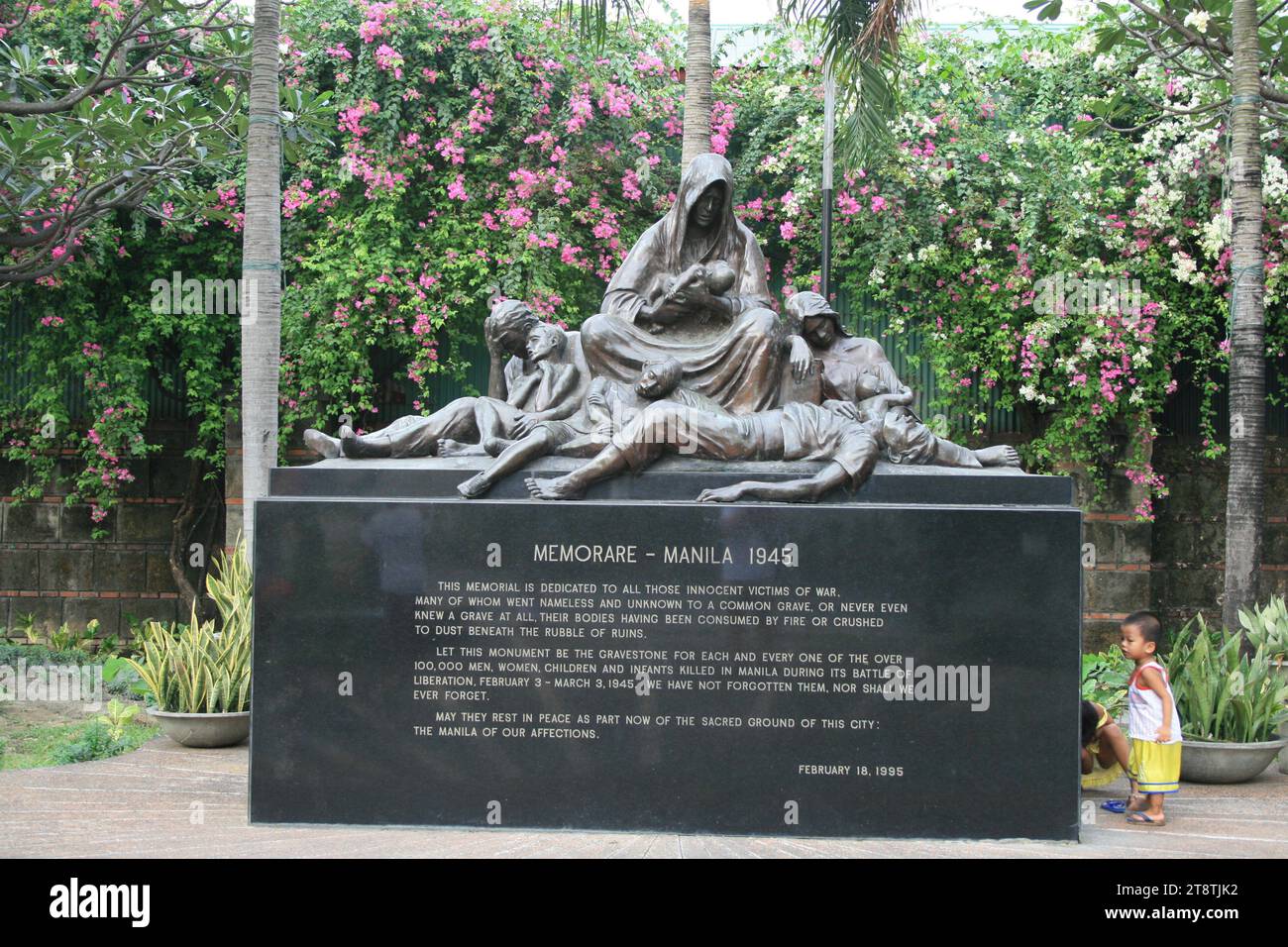
The Forgotten Battle That Changed the Course of War: The Brutal Battle For Manila, Philippines 1945

The Bloody Mary Trend: Unpacking Lady Gaga's Viral TikTok Phenomenon

5 Proven Ways to Achieve Viral Success With Twitter Victor Videos

Unlocking the Power of PS4 Games on Your Android Device: A Simplified Guide


