The Howard Hughes Enigma: How a Billionaire Aviator Descended into Obsession and Shaped Modern Enterprise
The Howard Hughes Enigma: How a Billionaire Aviator Descended into Obsession and Shaped Modern Enterprise
Howard Hughes was a titan of industry and aviation whose life oscillated between groundbreaking innovation and debilitating psychological decline. From a pioneering aviator and film magnate to a reclusive billionaire industrialist, Hughes left an indelible mark on multiple sectors while remaining an enigma to the public. His trajectory—from celebrated entrepreneur to germ-obsessed recluse—reveals the volatile intersection of genius, wealth, and mental deterioration. This article examines the facts of his career, the documented descent into illness, and the lasting institutional legacy he inadvertently created.
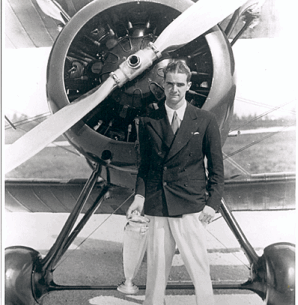
Hughes first garnered national attention as a record-setting aviator in the 1930s and early 1940s. He set multiple world speed records and, in 1938, circled the globe in just over three days, earning him international accolades and hero status. Hughes leveraged this aviation fame into a film career and later into a sprawling industrial empire that included aerospace, defense, and real estate. He founded Hughes Aircraft Company in 1932, which became a major defense contractor, and later took control of Trans World Airlines (TWA), transforming it into a major U.S. carrier.
His most visible commercial venture was the Hughes H-1 Racer, a streamlined aircraft designed in 1935 to test high-speed aerodynamics. The H-1 set a new landplane speed record and influenced subsequent military aircraft design. Hughes later commissioned the massive "Spruce Goose" (Hughes H-4 Hercules), a colossal flying boat constructed primarily of birch rather than aluminum, though it only made a single short flight in 1947 before being mothballed.
Hughes moved to Hollywood in the late 1920s, producing notable films such as "Hell's Angels" (1930) and "Scarface" (1932). He founded RKO Pictures in 1928, serving as producer and showman, often meddling creatively while maintaining tight financial control. His cinematic ventures reflected the same meticulous—and sometimes obsessive—attention to detail that characterized his engineering work.
- He personally vetted scripts and even edited films in the cutting room, sometimes for days on end without sleep.
- Hughes was known for lavish spending on production design and test screenings, driving some films to financial failure despite artistic ambition.
- His later Hollywood years coincided with the onset of mental health struggles that made public appearances increasingly rare.
By the mid-1940s, Hughes began withdrawing from public life, a retreat that would define his later years. Medical records suggest he likely suffered from severe obsessive-compulsive disorder (OCD), exacerbated by chronic pain from a near-fatal aircraft crash in 1946. This crash, which occurred during a test flight of the XF-11 reconnaissance aircraft, left him with a broken collarbone, crushed ribs, and a head injury that may have altered his cognitive and behavioral patterns.
In the 1950s and 1960s, Hughes became a permanent fixture in hotel suites, particularly in Las Vegas, Los Angeles, and Acapulco. He demanded numerous towels, specific food arrangements, and sanitized environments, reportedly because of his germaphobia. Employees described scenes where he would order hundreds of towels and stacks of Kleenex be placed around his living areas, used and replaced multiple times daily.
In 1957, Hughes set up a headquarters in the Desert Inn in Las Vegas, initially for a short stay that extended for years. Casino owner Howard Hughes bought out the resort in 1966 for $14.6 million, not to run it but to remove himself from its gaming operations. His subsequent reclusion involved negotiating acquisitions via telephone from darkened rooms, surrounded by tissues and hand sanitizer.
Hughes’s empire faced significant challenges after his death in 1976, when he died aboard a private jet owned by his friend and pilot, Robert Harrison. His death triggered a prolonged legal battle over his estate, involving dozens of would-be heirs and organizations. The IRS spent over a decade litigating the valuation of his holdings, ultimately settling for hundreds of millions of dollars in back taxes.
The Hughes Medical Institute, established in 1953, became one of the wealthiest charitable foundations in the world, funding groundbreaking biomedical research. Hughes Aircraft Company was sold in 1984 to General Motors, becoming part of what is now Raytheon Technologies, a major defense and aerospace contractor. TWA was eventually acquired by American Airlines in 2001.
Despite his mental decline, Hughes’s influence persisted in corporate structures and public imagination. His life has been the subject of numerous biographies, films, and documentaries, cementing his status as a cultural archetype of the eccentric billionaire. The institutional mechanisms he created—particularly the medical research institute—continue to operate independently of his personal failings, channeling his resources into enduring scientific endeavors.
The story of Howard Hughes serves as a case study in the interplay between unchecked ambition, technological innovation, and psychological collapse. It raises questions about the responsibilities of immense power and wealth when personal health deteriorates. His legacy persists not only in the industries he shaped but also in the cautionary narrative of a brilliant mind undone by its own intricacies.
Related Post
Howard Hughes Net Worth at Death: How the Reclusive Billionaire's Fortune Shocked the World
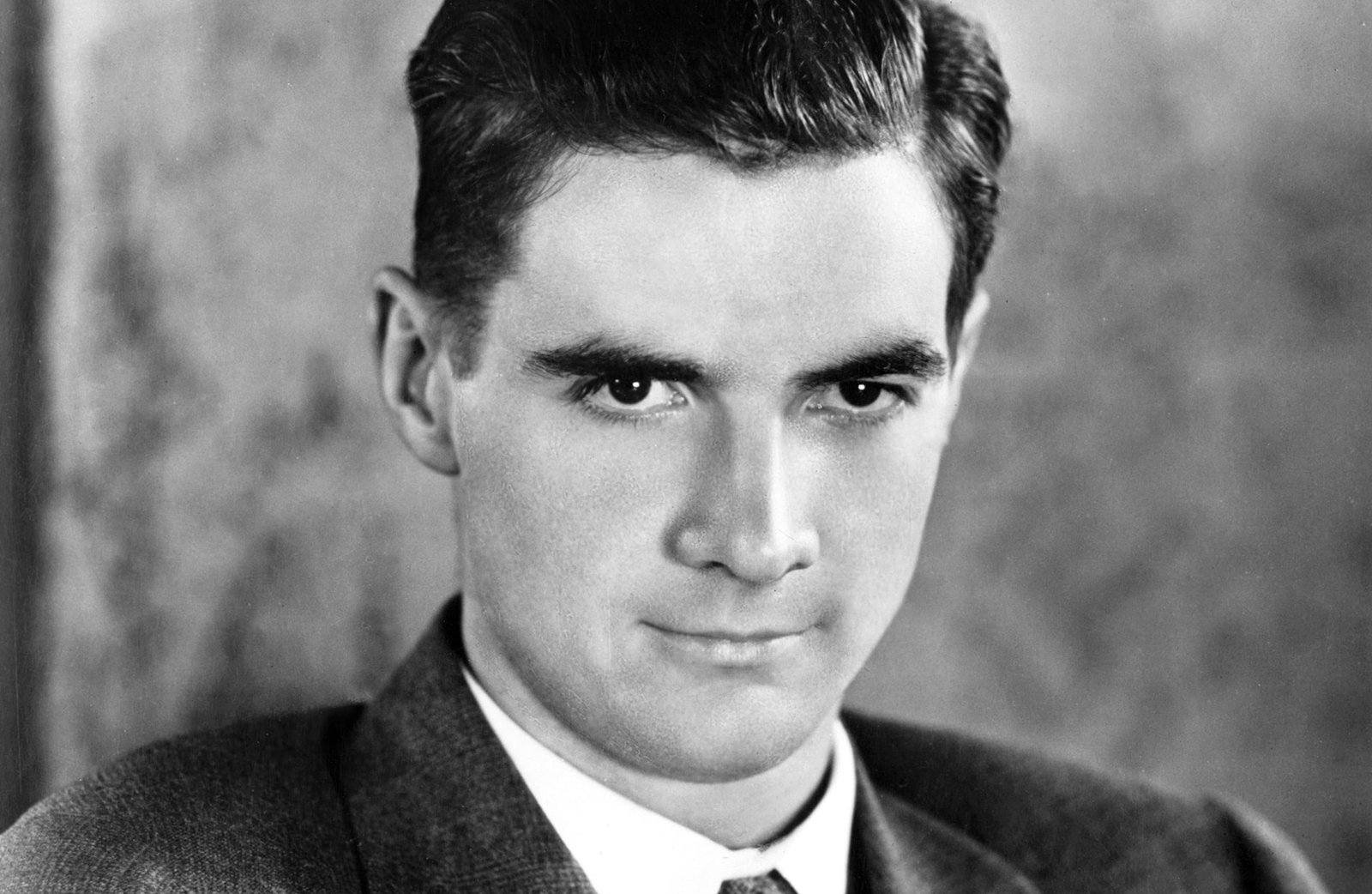
The Enigmatic Fortune of Howard Hughes: Unraveling the Mystery of His Net Worth Today
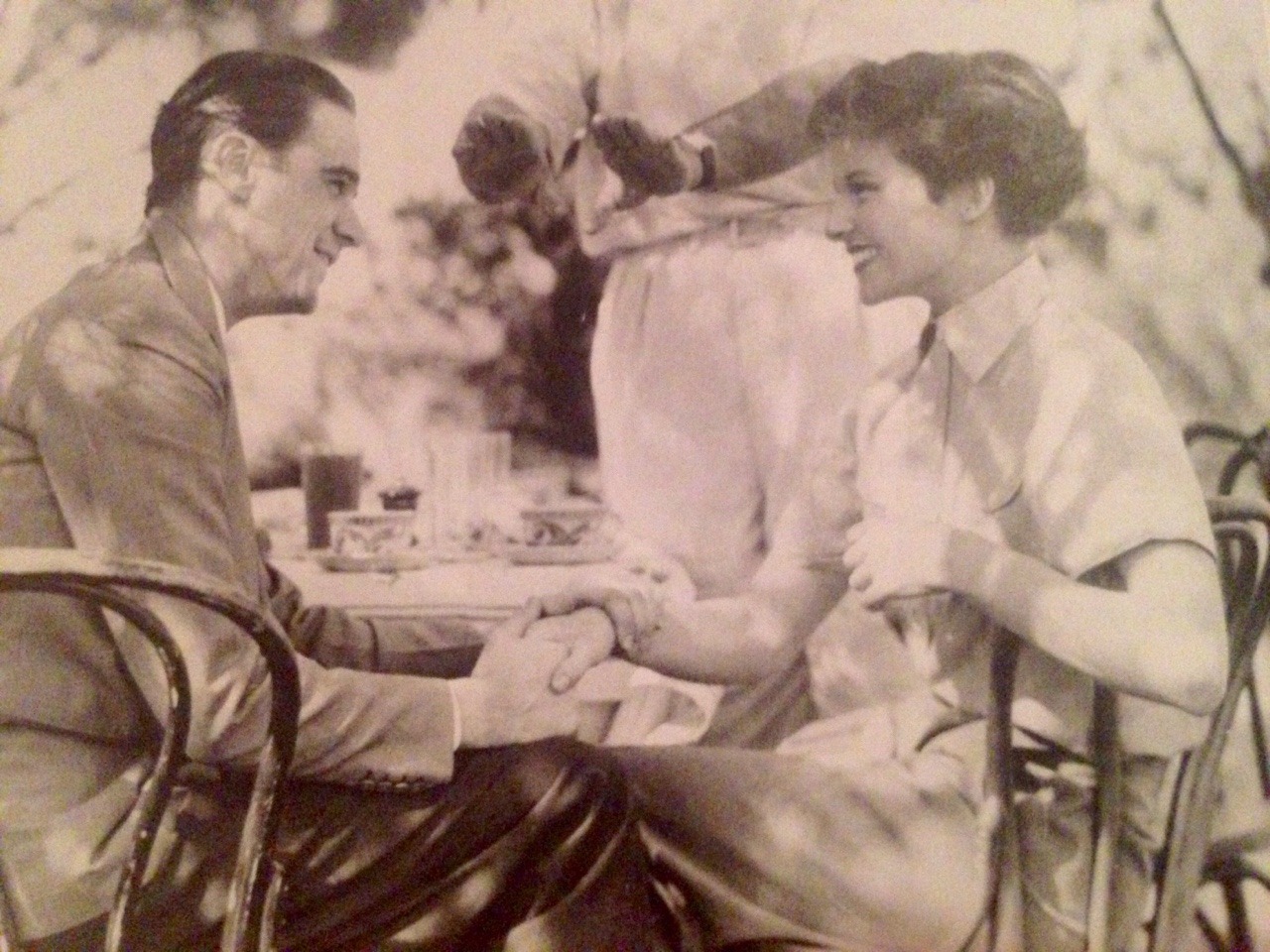
Katharine Hepburn and Howard Hughes: Love, Obsession, and the Turbulent Drama Behind Hollywood’s Legends
Katharine Hepburn and Howard Hughes: A Turbulent Love That Shaped Two Icons