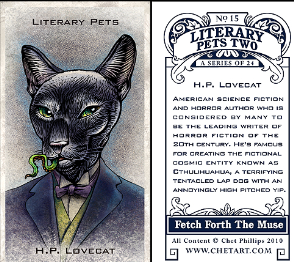
The Hp Lovecraft Cat: How the Cosmic Feline Became the Purr-Fect Symbol of Indie Horror Culture
The Hp Lovecraft Cat: How the Cosmic Feline Became the Purr-Fect Symbol of Indie Horror Culture
The improbable union of H. P. Lovecraft's eldritch horror and the commonplace domestic cat has birthed a potent and enduring symbol in modern internet culture. This creature, often depicted with unnerving stillness or lurking in shadow, serves as a perfect visual shorthand for the author's signature themes of incomprehensible dread and the fragility of human understanding. Far more than a simple fan meme, the "Lovecraft cat" embodies the seamless fusion of historical literary reverence and contemporary digital absurdity.
The phenomenon represents a fascinating case study in how subcultures adapt and remix canonical figures for new generations. It is a testament to the versatility of Lovecraft's iconography, which proves fertile ground for creative expression across wildly different mediums. To understand this specific meme's power, one must first examine the source material that inspired it.
H. P. Lovecraft, writing in the early 20th century, cultivated a unique brand of horror that focused less on gore and more on existential terror. His stories frequently explore the concept of cosmicism, the idea that humanity is insignificant and potentially hostile forces govern the universe. These entities, often referred to as the "Great Old Ones," are not evil in a moral sense, but are utterly alien and indifferent to human suffering.
The aesthetic of his work is characterized by decay, ancient tomes, forbidden knowledge, and a pervasive sense of paranoia. It is within this framework that the humble cat finds a new and terrifying context. Historically, cats have been associated with witchcraft, the occult, and liminal spaces, making them natural vessels for supernatural connotations. Lovecraft himself owned several cats, and some of his early correspondence hints at a begrudging, if sometimes annoyed, affection for them.
The modern "Lovecraft cat" meme typically features images of cats with strangely human-like or otherworldly expressions. These images are often captioned with text written in an archaic or overly formal style, mimicking Lovecraft's verbose and purple prose. The humor arises from the extreme dissonance between the mundane reality of a pet cat and the grandiose, apocalyptic language used to describe it.
A typical example might pair a photo of a cat staring intently out a window with text describing it as a "feline entity of unnameable origin" that has "witnessed the swirling vistas of non-Euclidean space." This juxtaposition is the engine of the meme, driving its viral spread across platforms like Twitter, Instagram, and Reddit. It is a form of playful literary criticism, using the language of the master to describe the trivial antics of a pet.
The meme's structure relies heavily on specific visual and textual cues.
- **The Cat's Expression:** A look of supreme indifference, intense focus, or what appears to be silent horror.
- **The Setting:** Often dark, shadowy, or simply a mundane domestic space imbued with an eerie atmosphere.
- **The Text:** Capitalized, pseudo-archaic language filled with synonyms for "madness," "cosmic," and "void."
This formula has been so successful that it has spawned countless variations and derivatives. Artists have drawn intricate illustrations of cats wearing occultist robes, while digital artists have edited them into scenes from Lovecraft's own stories. The meme has evolved from a simple joke into a distinct aesthetic style, recognizable to fans of both classic horror and internet culture.
Furthermore, the Lovecraft cat phenomenon highlights the ironic revival of interest in H. P. Lovecraft himself. While the author's personal views are widely and rightfully criticized for being racist and xenophobic, his fictional creations have been largely decoupled from the man. The meme allows a new generation to engage with his work in a way that is accessible and humorous, stripping away the dense prose to reveal the core, visually adaptable concept of a "scary space force."
The enduring appeal of the Lovecraft cat also speaks to a broader cultural anxiety. In an increasingly complex and uncertain world, the image of a creature that embodies ancient, incomprehensible terror provides a strange kind of comfort. It externalizes our fears into a silly, furry package that we can laugh at rather than confront directly. The cat becomes a vessel for our own existential dread, making the monstrous mundane and the mundane monstrous.
As with many long-lived memes, the initial wave of popularity has settled into a steady stream of niche appreciation. The Lovecraft cat is no longer a shocking new trend but a established part of the online folklore landscape. It serves as a reliable reference point for horror fans and a gateway for newcomers to explore the works of H. P. Lovecraft.
Ultimately, the success of the Lovecraft cat is a testament to the power of a strong visual idea. It demonstrates how a historical figure's work can be endlessly repurposed through the lens of contemporary humor. The meme ensures that the name H. P. Lovecraft remains relevant, not through scholarly analysis, but through the simple, enduring image of a cat staring into the void. It is a purr-fect, and perfectly absurd, monument to lasting cultural influence.
Related Post
The Hp Lovecraft Cat: How Cthulhu's Feline Obsession Haunts Modern Horror
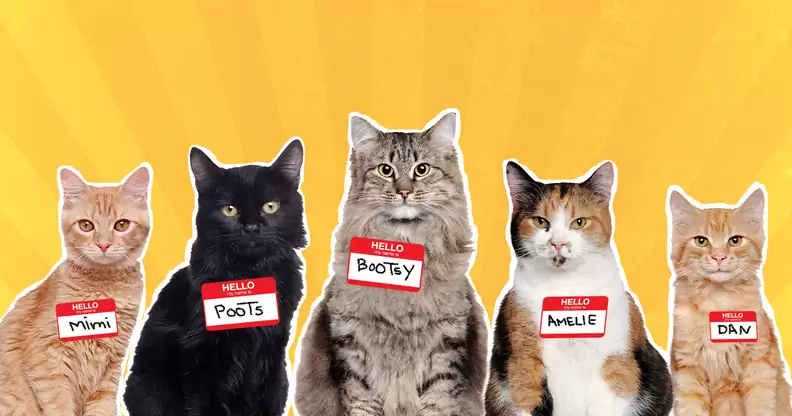
The Cosmic Feline Choosing The Perfect HP Lovecraft Cat Name