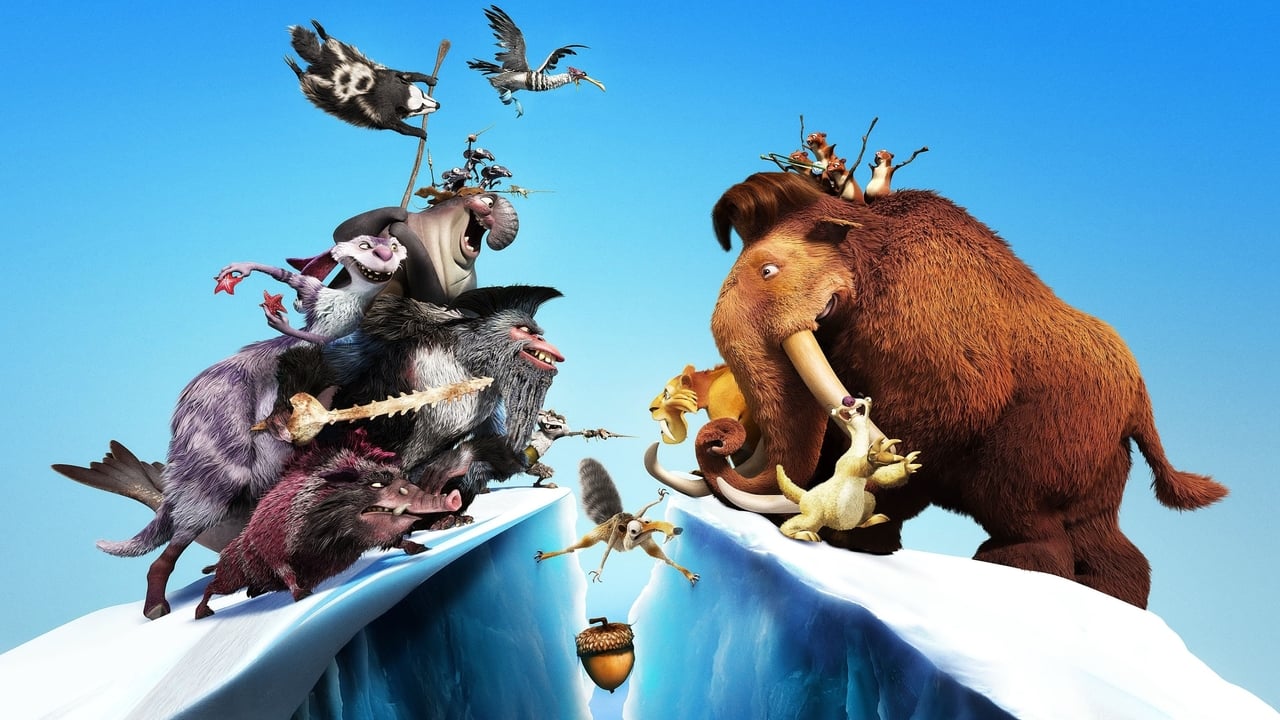
The Ice Age Continental Drift Cast: How Voice Choices Defined a Franchise Spin-Off
The Ice Age Continental Drift Cast: How Voice Choices Defined a Franchise Spin-Off
The 2012 animated film "Ice Age: Continental Drift" marked a significant turning point for the long-running franchise, shifting focus to a high-seas adventure and introducing a new cohort of pirate villains. Behind the screen, the film's success relied heavily on the vocal talents of a mixed ensemble cast, including returning stalwarts and fresh comedic additions. This article examines the key cast members who brought the characters to life and how their performances shaped the film's identity within the beloved animated series.
The Legacy Characters: Anchors of Familiarity
One of the primary challenges for "Ice Age: Continental Drift" was balancing the established ensemble with the demands of a new plotline centered on migration and discovery. The film’s core cast provided continuity, ensuring that long-time fans retained a connection to the series. These characters, defined by their distinct personalities and relationships, served as the emotional anchor for a story that ventured into uncharted maritime territory.
- Manny: The woolly mammoth, voiced with stoic warmth by Ray Romano, continued to embody the reluctant leader struggling with family dynamics and aging.
- Diego: Denis Leary returned as the saber-toothed tiger, maintaining his signature blend of gruff loyalty and sarcastic wit.
- Sid: John Leguizamo’s high-pitched, neurotic ground sloth provided the broad physical comedy and social commentary the series is known for.
- Scrat: While largely silent, Chris Wedge's animated squirrel remained a crucial silent protagonist, his wordless antics driving the subplot about the elusive acorn.
The decision to retain these core voices was strategic, leveraging the established chemistry and audience attachment built over the previous three films. According to director Steve Martino, the goal was to "honor the characters that made the series successful while finding new ways to put them in surprising situations." The familiarity of these voices was essential for grounding the film’s more fantastical pirate setting.
The New Arrivals: Injecting Chaos and Comedy
The narrative push to the high seas necessitated the introduction of new characters to oppose the herd. This led to the casting of a roster of pirates voiced by a mix of established comedians and rising talents. These new voices provided the antagonistic energy and slapstick humor that defined the film’s seafaring conflict, creating a distinct contrast with the herd’s dynamic.
- Captain Gutt (voiced by Peter Dinklage): The pirate captain, a Gigantopithecus, was brought to life by the acclaimed actor known for his dramatic range. Dinklage’s performance added a layer of menacing charisma and unexpected vocal depth, transforming the character from a simple buccaneer into a compelling, albeit cartoonish, villain.
- Shira (voiced by Jennifer Lopez): The saber-toothed tiger pirate represented a complex addition. Lopez imbued the character with a tough exterior and a nuanced journey between allegiance and independence, offering a fresh perspective within the pirate crew.
- Gupta (voiced by Mindy Kaling): The rodent pirate provided much of the film’s rapid-fire, anxiety-inducing comic relief. Kaling’s distinctive vocal cadence and timing made the neurotic weasel a memorable supporting antagonist.
- Squint (voiced by Josh Peck): The young pirate chimpanzee served as the primary source of slapstick humor. Peck’s energetic and slightly unhinged performance matched the physical chaos of his character’s antics.
Peter Dinklage, in reflecting on his experience with the franchise, noted the unusual nature of the role, stating, "It's a different world, but you’re just trying to find the truth in the lie. The character is a giant ape pirate, but the emotions he feels are very human and relatable." This approach to vocal performance—grounding the exaggerated in the relatable—was a key factor in the film’s reception.
The Supporting Cast: Completing the Menagerie
Beyond the central heroes and villains, "Ice Age: Continental Drift" featured a diverse array of secondary characters whose vocal performances added texture and depth to the world. These roles, while often smaller, were critical in filling out the film’s bustling maritime environment and supporting the main narrative arcs.
- Sirens: The ethereal and dangerous sirens, voiced by a chorus that included Kiki Dee and Aurora Attanasio, provided haunting vocal cues that punctuated the herd’s journey.
- Rats: The numerous rat pirates, often scurrying in the background, were voiced by a team of sound artists who created a cacophony of chittering malice, enhancing the shipboard setting.
- Other Pirates: A variety of generic pirate characters, including a lion and a rhinoceros, rounded out the crew, their vocalizations designed to project a sense of chaotic, unruly mob dynamics.
The collaborative effort required to assemble this vocal ensemble was immense. Casting directors worked to find actors who could not only deliver jokes but also convey a sense of species-specific physicality through their voice alone. The result was a cast list that functioned like a well-oiled machine, with each performer contributing to the overall engine of the film.
The Impact of Performance on the Franchise
The vocal cast of "Ice Age: Continental Drift" played a pivotal role in the film's box office performance and its legacy within the animation landscape. The movie grossed over $884 million worldwide, demonstrating that the franchise still held significant commercial value. This success was directly tied to the ability of the voice actors to connect with a broad demographic, from children to adults.
Critically, the film’s humor and action were largely dependent on the vocal work. The contrast between Sid’s socially awkward rambling and Captain Gutt’s tyrannical bluster created a dynamic that fueled the film’s conflict. The actors’ ability to maintain the specific comedic timing required for the script was essential in preventing the derivative plot from feeling stale.
In examining the "Ice Age: Continental Drift" cast, it becomes clear that the voices were not merely tools for dialogue but integral components of the storytelling. They provided the emotional resonance, comedic relief, and menacing presence that propelled the narrative across the screen. The film stands as a testament to the power of vocal performance in animated cinema, proving that even in a world of woolly mammoths and saber-toothed tigers, the human voice remains the most powerful instrument of all.
Related Post
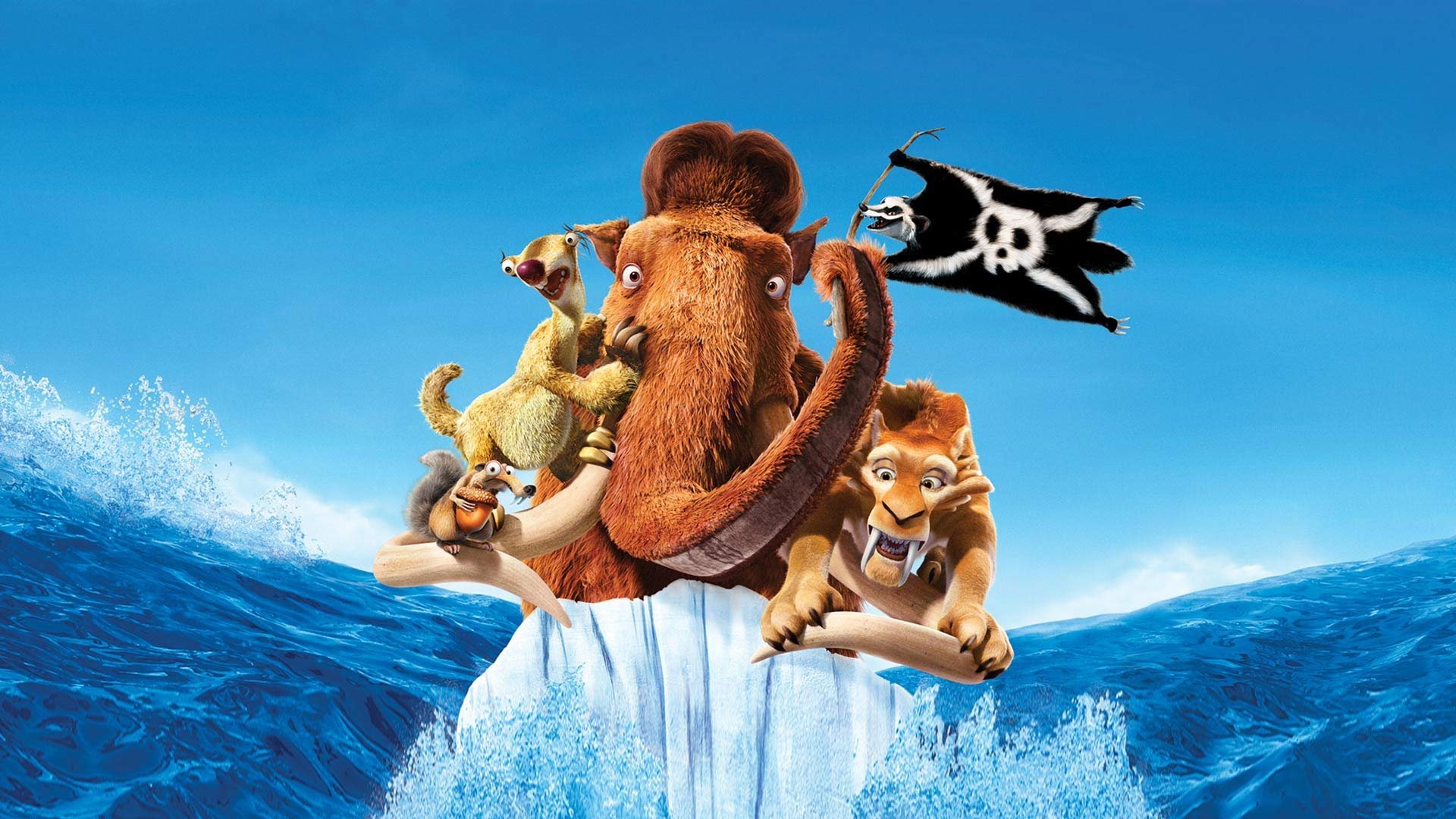
How Ice Age Continental Drift Reshaped Earth’s Surface — and Our Understanding of Prehistoric Climate
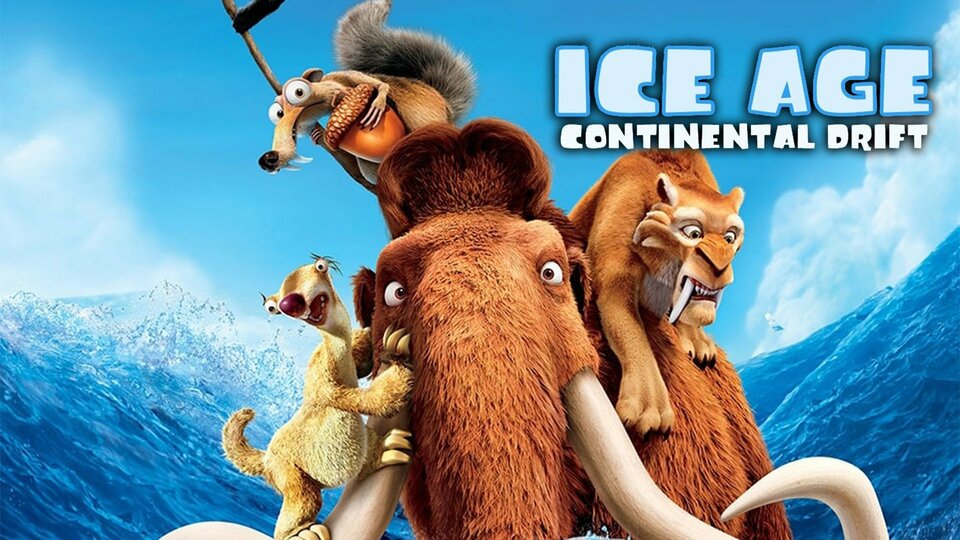
The Ice Age Giants of Sound: Voices, Roles, and Legacy of the Continental Drift Cast
The Ice Age Continental Drift Cast: How a Forgotten Voice Brought Continental Drift to Life for a New Generation