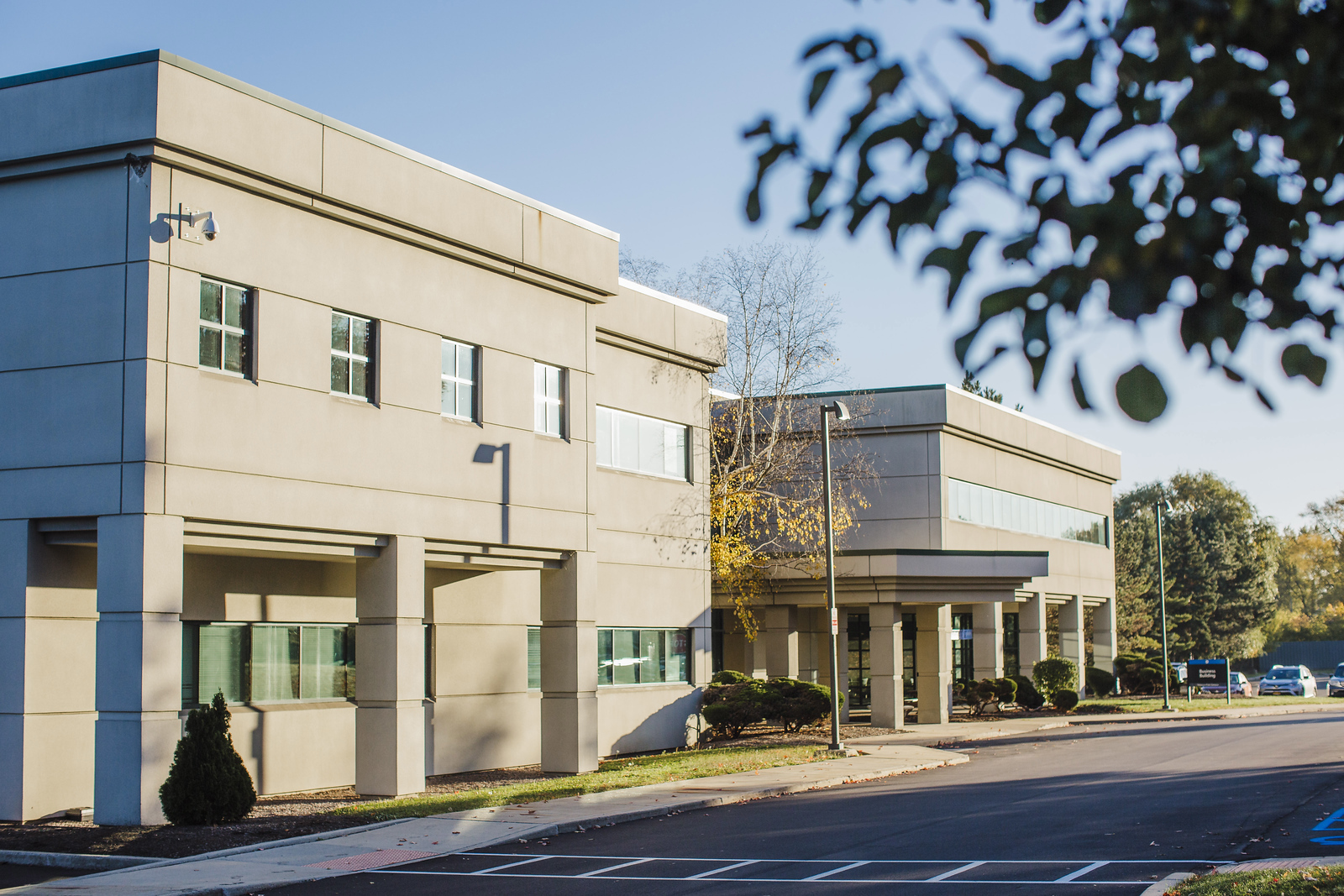
The Inmates In Hamilton County Justice Center: Life Inside Cincinnati’s Aging Jail Complex
The Inmates In Hamilton County Justice Center: Life Inside Cincinnati’s Aging Jail Complex
The Hamilton County Justice Center in Cincinnati houses thousands of people each year, many of whom await trial or serve short sentences. This aging facility has become a focal point for debates over jail conditions, mental health care, and criminal justice reform in Ohio. As county leaders weigh plans for replacement or renovation, the daily realities of life behind its walls remain central to the conversation.
The 27-story building opened in 1994 and was designed to hold roughly 1,200 people at a time. Today, it regularly operates at or above capacity, according to reports from the jail’s medical oversight body. The structure’s height and design once symbolized modern corrections, but they now present challenges for movement, surveillance, and emergency response. Understanding how the building functions helps explain the pressures that shape life for those detained inside.
Daily operations at the Hamilton County Justice Center follow a structured schedule intended to maintain order and security. Inmates are typically woken early, given time in common areas, and escorted to meals, recreation, or court appearances. Access to programming, education, and work opportunities varies widely depending on charges, security level, and available resources. These routines are managed by a mix of sheriff’s office staff, contract health providers, and civilian support personnel.
Security levels inside the complex range from minimum to maximum custody, and housing assignments depend on factors such as charges, behavior, and perceived risk. The facility separates people by gender and, in some cases, by age or vulnerability. Common areas include dayrooms, chow halls, exercise yards, and medical pods, each designed for controlled movement and monitoring. Staff conduct regular counts, cell checks, and pat-downs to maintain safety and prevent contraband.
For many people held at the center, the greatest hardship is the uncertainty of not knowing how long they will remain detained. Those awaiting trial may spend months, or even years, in the facility before their cases are resolved. Pretrial detainees often cannot afford bail and remain incarcerated simply because they cannot pay, a reality that has drawn criticism from reform advocates. This prolonged wait can destabilize employment, housing, and family relationships even before a conviction occurs.
Mental health needs represent one of the most persistent challenges at the Hamilton County Justice Center. A significant portion of the population suffers from conditions such as depression, anxiety, psychosis, or substance use disorders. The facility contracts with outside medical providers, but critics argue that staffing and follow-up care remain inconsistent. Episodes of distress can result in isolation, use of restraint, or transfer to higher-security settings, sometimes worsening underlying crises.
Overcrowding has long been cited as a key issue affecting the quality of life for people at the center. When beds are full, dormitory-style housing is used, increasing noise, reducing privacy, and limiting access to telephones or recreation. Local advocacy groups have filed complaints related to sanitation, ventilation, and temperature control in crowded conditions. County officials have responded by pointing to expansion steps, such as adding modular units or repurifying common spaces, though these are often seen as temporary fixes.
Incidents of violence, drug use, and self-harm are reported regularly in jails of this size, and the Hamilton County Justice Center is no exception. Surveillance cameras, radio communications, and officer presence are designed to prevent and respond to such events. The county sheriff’s office investigates allegations of misconduct and coordinates with state agencies when necessary. Transparency around use-of-force reports and medical emergencies remains limited, which fuels distrust among inmates’ families and community advocates.
Access to phone calls, mail, and visits plays a critical role in maintaining connections for people held at the justice center. Phones are typically available for scheduled calls, often at a cost that can strain family budgets. Visits are conducted in designated areas, and rules about contact, duration, and items allowed vary depending on security level. These interactions provide emotional support and practical assistance, helping people maintain ties to the outside world while they await resolution of their cases.
Legal advocacy groups have repeatedly raised concerns about conditions at the facility, particularly related to disability accommodations, medical neglect, and prolonged solitary confinement. Some lawsuits have resulted in court-ordered changes or settlements, prompting updates to policies or training. County leaders argue that they are working within budget constraints and legal requirements while attempting to balance safety, humanity, and operational demands. Oversight bodies, including the court-appointed monitor for the Department of Justice consent decrees, continue to review compliance.
As Hamilton County explores plans for a new regional justice campus, decisions about the current complex will shape its near-term future. Some proposals call for reducing the use of large jails and investing in community-based alternatives. Others focus on upgrading infrastructure to meet modern standards for safety and health. The experiences of those currently detained at the center will inform public expectations and policy choices for years to come.
Residents, advocates, and officials all agree that the way a society treats people who are incarcerated reveals core values. For the thousands who pass through the Hamilton County Justice Center, the building represents a temporary, often unwelcome, stop in their lives. Understanding their stories, alongside data on operations and outcomes, helps clarify the trade-offs involved in corrections policy. The evolution of this facility will likely remain a prominent symbol of how Cincinnati reconcines punishment, public safety, and dignity.
Related Post

Angela Jolie’s Pro-Bono Adoption Work: Breaking Down Barriers for Children in Need

Selena Gomez Measurements 2025: A Comprehensive Look at the Singer's Fitness and Beauty Routine

Mike Holmes Jr.'s Height: The Surprising Answer to a Popular Question

From Tank to Tycoon: Unveiling The Secrets Of Lou Ferrigno's 12 Million Empire