The Jodi Arias Autopsy Photo: A Legal Battleground Over Evidence, Privacy, and Public Interest
The Jodi Arias Autopsy Photo: A Legal Battleground Over Evidence, Privacy, and Public Interest
The existence and release of the Jodi Arias autopsy photo sit at the volatile intersection of criminal justice, media ethics, and constitutional law. This single image has functioned as a lightning rod, igniting debates about the limits of public curiosity in violent crime cases and the role of graphic evidence in court proceedings. While the photograph is a critical forensic document, its circulation beyond legal necessity has transformed it into a symbol of the public’s fraught relationship with crime and punishment.
The case of Jodi Arias thrust the nation into a media frenzy beginning in 2008, following the brutal murder of her ex-boyfriend, Travis Alexander, in his suburban Phoenix home. Arias claimed self-defense, alleging that Alexander attacked her during a domestic dispute, leading to a fight in which she stabbed him 27 times and shot him in the forehead. The graphic nature of the crime scene and the defendant’s shifting narratives ensured that every development was scrutinized under a national spotlight. Central to the evidentiary puzzle was the autopsy photo, a stark visual record that carried immense weight in determining the trajectory of the trial and the public’s understanding of the event.
The legal battle over the photo’s release underscores the tension between the public’s right to know and the defendant’s right to a fair trial. In the American judicial system, evidence is often subject to strict rules regarding admissibility and relevance. The prosecution’s use of the autopsy photo was not an attempt to sensationalize the crime but to challenge Arias’s narrative regarding the nature and sequence of the injuries.
**The Forensic Imperative**
* **Documenting the Cause of Death:** The primary purpose of the autopsy photo was to establish the definitive cause and manner of death. For the prosecution, the image provided irrefutable evidence countering Arias’s claims of a defensive struggle.
* **Corroborating Witness Testimony:** Medical examiners noted specific defensive wounds on Alexander's hands and forearms. The photo served to visually confirm these injuries, supporting the timeline presented by investigators that Alexander was alive and actively defending himself after being stabbed.
* **Refuting the Self-Defense Claim:** Arias testified that she walked away from the altercation after shooting Alexander, believing the threat was over. The autopsy photo, showing the proximity of the fatal gunshot wound to a seated Alexander, was introduced to contradict her account, suggesting he was not an imminent threat at the moment of the shooting.
**The Media Frenzy and Public Obsession**
While the court required the photo for proceedings, the battle over its release extended far beyond the Maricopa County Superior Court. Once the image entered the public domain, it spread rapidly across traditional and social media, often stripped of its legal context. This phenomenon highlighted a central dilemma of the modern media age: the conflict between the judicial process and the 24-hour news cycle.
News outlets faced an ethical crossroads. Reporting on the murder required describing a horrific event, but disseminating the visual evidence risked prejudicing potential jurors and violating the dignity of the victim. The photo became a commodity, shared and commented upon by millions who may never have read the trial transcripts. This widespread dissemination created a "media trial" parallel to the legal one, where the image’s visceral power shaped public opinion long before the jury delivered a verdict.
Arias’s own behavior during the trial further complicated the media’s handling of the photo. Her fascination with the details of the killing, including her descriptions of the murder weapon and the trajectory of the bullet, painted a picture of a woman deeply engaged with the violence she inflicted. This led some media commentators to question whether the public’s appetite for the image was rooted in genuine newsworthiness or a darker form of voyeurism.
**Legal Precedents and Judicial Discretion**
Judges wield significant power when it comes to managing graphic evidence. The decision to admit, restrict, or seal autopsy photos is guided by rules of evidence designed to ensure a fair trial. Rule 403 of the Federal Rules of Evidence, for example, allows a judge to exclude relevant evidence if its probative value is substantially outweighed by the risk of unfair prejudice, confusion of the issues, or misleading the jury.
In the Arias case, the judge allowed the photo into evidence but implemented strict safeguards to manage its impact. These measures likely included limiting viewings to the jury and attorneys, issuing sequestration orders to prevent external media influence, and providing specific jury instructions to base their verdict solely on the law, not on emotion evoked by the image.
However, the battle did not end with the trial’s conclusion. The fight over the photo’s release shifted to the realm of public records requests. Arias and her supporters argued that the image was a public document subject to disclosure under freedom of information laws. Conversely, prosecutors and victims' rights advocates contended that releasing such graphic material would set a dangerous precedent, encouraging courts to treat violent crime scenes as spectacle.
**The Echoes of True Crime**
The Arias case arrived at a moment when true crime had become a dominant cultural force. Podcasts, documentaries, and streaming series turned her story into a binge-worthy narrative, with the autopsy photo serving as a grim centerpiece. This genre often blends entertainment with education, but it can also distort the realities of the justice system.
The photo’s ubiquity in podcasts and online forums illustrates a shift in how we consume criminal justice. It is no longer enough to follow the legal arguments; audiences demand visual proof. This creates a feedback loop where media producers seek out the most shocking evidence to satisfy viewer demand, potentially drowning out the nuances of the legal arguments.
Furthermore, the photo’s status as an internet meme highlights the dehumanizing effect of viral content. When an image of a murder victim becomes a tool for commentary or shock humor, it risks reducing a complex human tragedy to a mere curiosity. The focus shifts from the life lost and the legal questions raised to the sheer shock value of the visual.
**Looking Forward: The Management of Graphic Evidence**
The legacy of the Jodi Arias autopsy photo is a cautionary tale about the power of visual evidence in the digital age. Moving forward, the justice system must continue to grapple with how to manage these materials. The goal is not to hide the reality of violent crime but to ensure that the pursuit of truth and justice is not sacrificed at the altar of public spectacle.
Courts may look to implement stricter protocols for the handling and storage of such images. Digital watermarking, restricted access databases, and timed release protocols are potential tools to balance transparency with dignity. Ultimately, the challenge lies in maintaining the integrity of the legal process while acknowledging the powerful role that imagery plays in shaping our collective understanding of crime and punishment. The Jodi Arias case serves as a stark reminder that behind every piece of evidence is a human story, and some stories are too profound to be reduced to a photograph.
Related Post
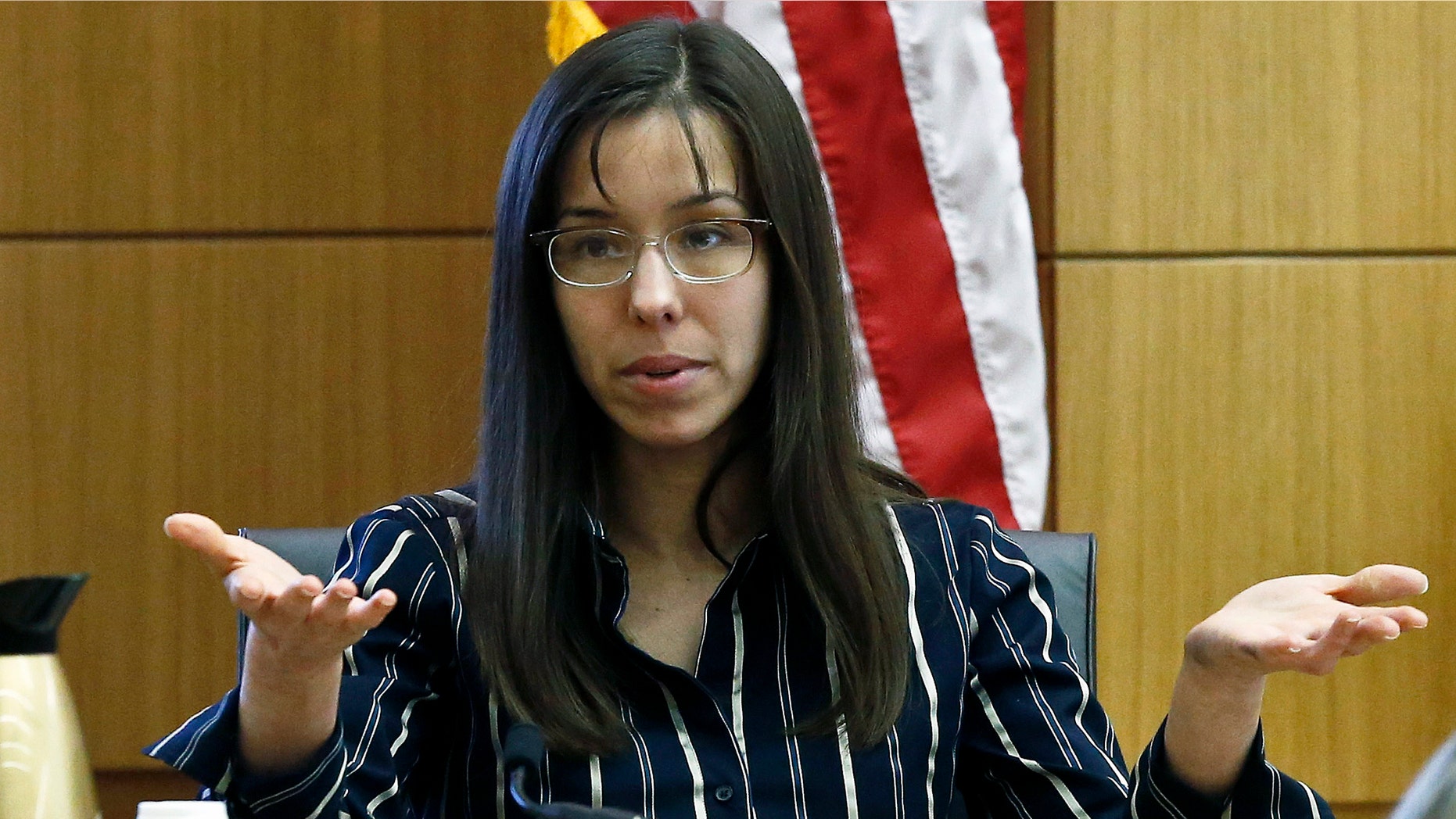
Jodi Arias Autopsy Photos: Unveiling the Horrors of a Brutal Murder

Cracking the Code on Henry Cho Net Worth: Uncovering the Secrets of this Comedy Icon's Finances

The Enigmatic Nature of Gemini Individuals: Unveiling the Zodiac Sign Born on June 18

The Rise of Blackpool Combat Club: Revolutionizing MMA with a Fierce Determination


