The Labcorp Menu Decoded: What You Need to Know Before Your Next Blood Test
The Labcorp Menu Decoded: What You Need to Know Before Your Next Blood Test
Navigating the Labcorp Menu can feel overwhelming for patients who suddenly find themselves responsible for understanding what tests they need and what they mean. This comprehensive guide breaks down the most common offerings, from routine blood work to specialized diagnostics, empowering you to have informed conversations with your healthcare provider. By demystifying the menu, you can better understand the path from a simple blood draw to a clear clinical decision.
For many individuals, a visit to the lab is a routine part of staying healthy, but the sheer number of tests available can be confusing. The Labcorp Menu is not just a list; it is a categorized collection of tools used to monitor health, diagnose conditions, and guide treatment. Understanding the basics of how these tests are organized and what they measure is the first step in taking control of your healthcare journey.
The menu is constantly evolving, with new tests approved and old ones refined to reflect the latest medical research. This means that what was available last year might differ from what is offered today. Keeping up with these changes ensures that you and your doctor are leveraging the most accurate and effective diagnostic tools available.
Below is a detailed look at the major categories you will encounter, providing clarity on what each test is for and why it matters.
### The Vital Signs of Your Blood: Standard Chemistry Panels
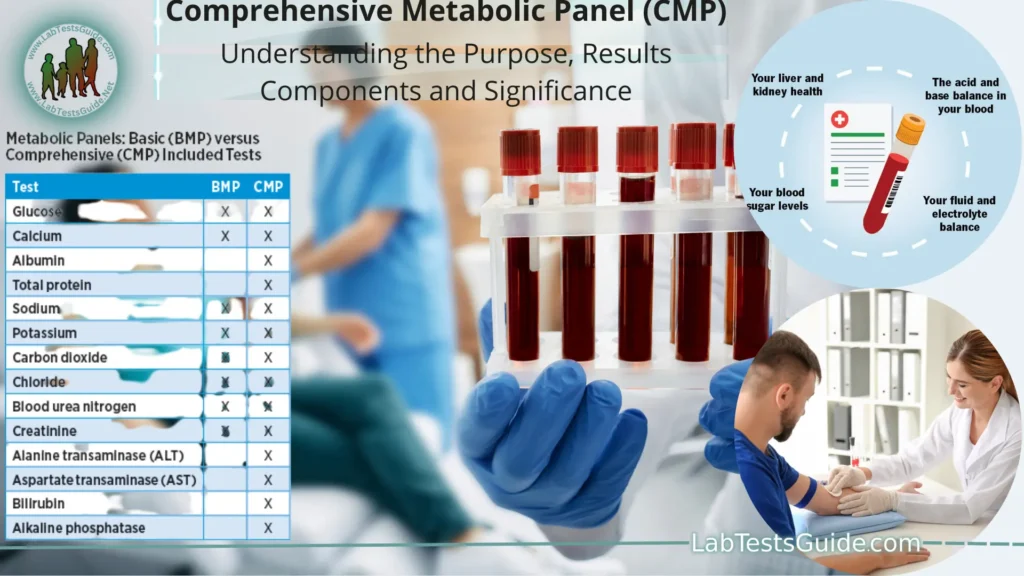
One of the most common reasons for a blood test is to check your basic metabolic function. These tests provide a snapshot of your body's chemistry, revealing how well your organs are performing. The Basic Metabolic Panel (BMP) is often the starting point for many routine checks.
The BMP typically includes measurements for:
- Glucose, which is essential for energy and can indicate diabetes risk.
- Calcium, necessary for bone health and muscle function.
- Electrolytes like sodium, potassium, and chloride, which regulate hydration and nerve function.
- Creatinine and Blood Urea Nitrogen (BUN), which assess kidney filtration.
If your doctor is concerned about your liver or kidney health, they might order a Comprehensive Metabolic Panel (CMP). This expands on the BMP by including liver enzymes and proteins. These tests are crucial for detecting inflammation, infection, or long-term damage to these vital organs.
Hematology tests focus on the components of your blood, such as the Complete Blood Count (CBC). This test measures red blood cells, white blood cells, and platelets. It is a vital tool for detecting anemia, infections, and even blood cancers.
### The Frontline Defense: Screening and Early Detection
Preventive care is a cornerstone of modern medicine, and the Labcorp Menu offers a variety of screening tests designed to catch problems before symptoms appear. These screenings are recommended based on age, gender, and family history.
One of the most well-known screenings is for cholesterol. Lipid panels measure the levels of fats and cholesterol in your blood. High levels of LDL, or "bad" cholesterol, can lead to plaque buildup in arteries, increasing the risk of heart disease and stroke. Regular monitoring allows for early intervention through diet, exercise, or medication.
Colorectal cancer screening is another critical area. Options range from non-invasive stool tests that look for hidden blood to more involved procedures like colonoscopies. Early detection through these screenings significantly increases the chances of successful treatment.
For women, cervical cancer screening via Pap smears and HPV testing are essential parts of the menu. These tests look for cellular changes or the virus that can lead to cervical cancer. According to Dr. Arlena Twenge, a professor of oncology at Johns Hopkins, "Regular screening has been the single biggest factor in reducing the mortality rate for cervical cancer over the past few decades."
### The Specific Investigators: Targeted Diagnostics
When standard tests do not provide a clear answer, doctors turn to the targeted tests available on the Labcorp Menu. These diagnostics are designed to investigate specific symptoms or conditions with precision.
If a doctor suspects a thyroid disorder, they will order a Thyroid Panel. This measures levels of TSH, T3, and T4 hormones. Imbalances in these hormones can cause dramatic changes in weight, energy levels, and mood, making this panel a critical tool for diagnosis.
For individuals experiencing joint pain or inflammatory conditions, an Arthritis Panel might be used. This often includes tests for Rheumatoid Factor (RF) and Antinuclear Antibody (ANA). These markers help distinguish between different types of arthritis and autoimmune diseases.
Allergy testing is another specialized area. Blood tests can measure the level of Immunoglobulin E (IgE) antibodies specific to certain allergens. While skin tests are common, blood tests are invaluable for patients who cannot tolerate skin testing or are taking medications that might interfere with skin test results.
### Navigating the Process: From Order to Result
Understanding the menu is only half the battle; knowing how to navigate the process is equally important. Typically, a physician orders the tests they believe are necessary based on your medical history and current symptoms. In some cases, patients may have the option to request certain screenings during a check-up.
Once the order is placed, a patient visit to a Labcorp facility is usually required. During this visit, a phlebotomist will draw the blood samples. It is important to follow any preparation instructions, such as fasting for glucose tests.
After the draw, the samples are analyzed in a laboratory. Turnaround times vary depending on the complexity of the test. Simple chemistry panels might return results within a day, while specialized genetic testing can take several weeks.
Patients can usually access their results through a secure online portal. However, it is important to remember that these numbers are meaningless without context. A qualified healthcare provider must interpret the results in the context of your overall health, symptoms, and medical history.
### The Future of Diagnostics
The field of diagnostics is rapidly advancing, and the Labcorp Menu is evolving to keep pace. Innovations in molecular diagnostics and genetic testing are providing deeper insights into individual health risks. These tests can predict how a patient might respond to certain medications or their likelihood of developing specific diseases.
As these technologies become more accessible, the menu will likely include even more personalized options. This shift towards precision medicine aims to move healthcare from a one-size-fits-all model to one that is tailored to the individual.
Ultimately, the Labcorp Menu is a powerful resource. When used correctly, it provides the data needed to make informed decisions about your health. By understanding what these tests measure and why they are important, you transform from a passive patient into an active participant in your own care.
Related Post