The Lirr at 50: How the Long Island Rail Road Quietly Built the Nation’s Most Enduring Commuter Empire
The Lirr at 50: How the Long Island Rail Road Quietly Built the Nation’s Most Enduring Commuter Empire
The Long Island Rail Road, or LIRR, moves more passengers each day than any other commuter railroad in the United States, weaving through 381 miles of track and 124 stations. Built during the horse-and-buggy era and repeatedly rebuilt after fires, storms, and fiscal crises, it has outlasted panics, wars, and rival transit dreams. This is the story of how LIRR shaped Long Island’s growth, defined the American commuter experience, and now confronts the pressures of 21st-century mobility.
The LIRR began not as a bold vision of regional connectivity but as a patchwork of private ventures racing to serve farmers and factories. Chartered in 1834, it is the oldest railroad still operating under its original name in the United States, predating the better-known Transcontinental Railroad by three decades. Early routes linked Brooklyn and Jamaica, then crept eastward toward Farmingdale and Riverhead, laying the literal track for suburban expansion. Long before zoning laws shaped Nassau and Suffolk counties, the LIRR determined where people could live and work by deciding where trains would stop.
From the outset, the railroad’s value was framed in practical terms. An 1840s timetable promised “swift and safe conveyance of passengers and merchandise,” emphasizing reliability in an age when delays could ruin a market day. The promise was simple: hop on a train in the morning and reach Manhattan in time to trade, negotiate, and return home before dark. That basic bargain drew developers, then families, then entire communities along the right-of-way.
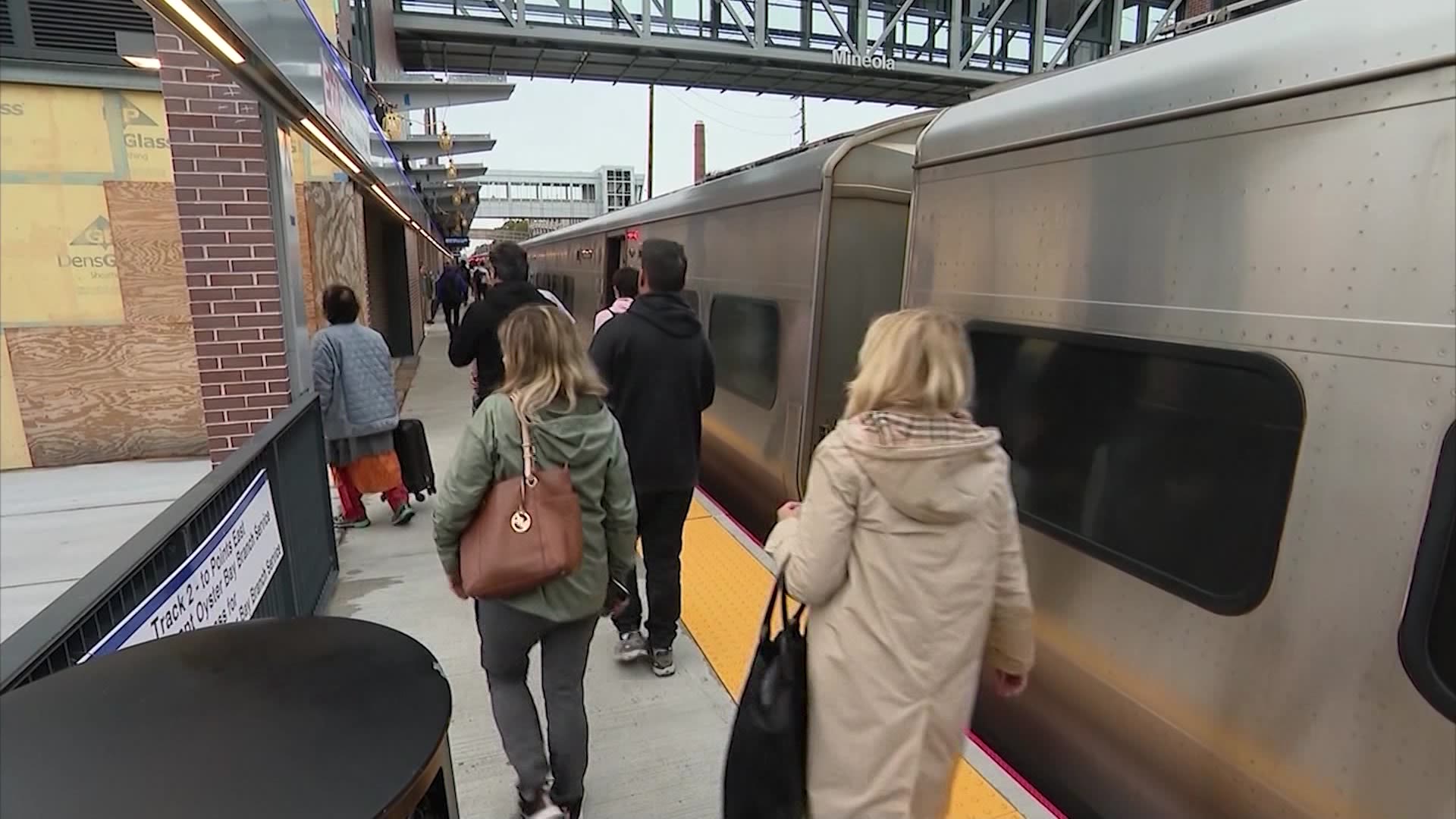
The post-World War II era transformed the LIRR from a regional workhorse into the backbone of a metropolitan mega-region. As highways choked the edges of New York and parking became a daily gamble, the railroad offered a dependable alternative. Between 1947 and 1970, the population of Nassau County roughly tripled, and Suffolk County’s more than doubled, with stations like Mineola, Hicksville, and Ronkonkoma becoming household names. The LIRR did not follow this growth; it enabled it. Developers knew that a station meant buyers, buyers meant homes, and homes meant tax revenue.
Yet the expansion came with tension. Commuters arriving in previously rural hamlets pushed out agricultural tenants and reshaped local politics. Zoning shifted to accommodate larger homes, small businesses popped up near crossings, and debates over noise, parking, and grade crossings defined countless Village Board meetings. The LIRR, for its part, adjusted by adding more trains, longer platforms, and occasional new branches, such as the Port Jefferson and Montauk extensions that reached deep into the island’s far corners.
For all its importance, the LIRR has rarely enjoyed a gentle ride. Its infrastructure aged under layers of deferred maintenance, storms like Hurricane Sandy in 2012 exposed vulnerabilities, and ridership surges tested capacity at peak hours. In the 1970s and 1980s, financial mismanagement and fading industrial demand turned parts of the line into symbols of urban decay. Trains rattled along corroded tracks, and stations fell into disrepair, giving residents ample reason to grumble.
That grumbling eventually fed change. In the early 2000s, under pressure from riders and state leaders, the Metropolitan Transportation Authority, which operates the LIRR, launched a series of upgrades. Double-tracking projects, signal renewals, and station reconstructions followed, along with the introduction of modern rolling stock with smoother rides and digital displays. Chairwoman Pat Foye, during a 2018 oversight hearing, encapsulated the balancing act: “We are asking the system to do more, move more people, and move them more reliably, all while aging assets demand constant attention and investment.”
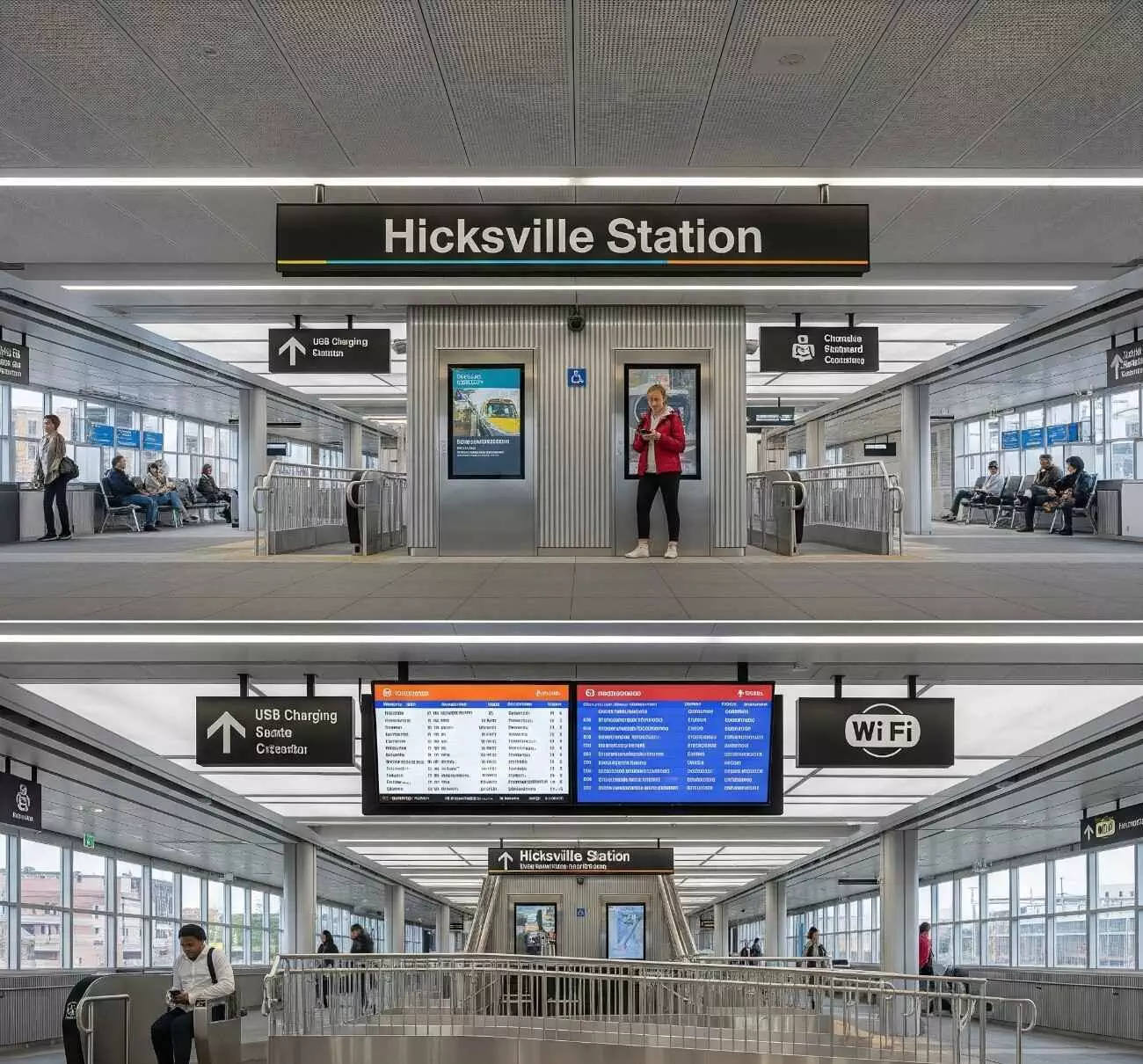
Technology has become a central theme in the LIRR’s modern story. Positive Train Control, a federally mandated safety system, now governs much of the network, automatically slowing or stopping trains to prevent collisions and overspeeds. Mobile apps allow commuters to track arrivals in real time, while Wi-Fi and improved signage make once-formidable journeys more predictable. The 2023 introduction of a fare-payment system that links Metro-North, buses, and subways under a single OMNY tap reflects a broader push toward seamless regional travel.
The newest chapter for the LIRR is being written in stations like Grand Central Madison, a monumental expansion deep into Manhattan that reframes how the railroad connects with jobs, culture, and transit. Opening its main hall in 2023, the branch delivers passengers within a short walk of some of the city’s most powerful office towers and cultural institutions. It also relieves congestion at Penn Station, creating a true alternative for commuters who once saw only one path into Manhattan. In doing so, it positions the LIRR as a gateway not just to Long Island, but to the wider national economy.
Of course, challenges remain. Capacity constraints during rush hours mean many would-be riders are turned away, and the system’s reliability still varies by branch and time of day. Housing costs near desirable stations have sparked debates about equity, as commuters face long drives or bus rides simply to reach a train. Climate change adds urgency to questions about flood protection, heat resilience, and service continuity during extreme weather. The LIRR of 2050 will look different from the LIRR of 2020, and likely different from the one planners are currently imagining.
What has not changed is the railroad’s core function. For millions of Long Islanders, the LIRR remains the thread that connects bedroom communities to corporate headquarters, hospitals, universities, and ports. It is the backdrop to morning routines and the enabler of regional commerce, quietly moving hundreds of thousands of people when other forms of transit reach their limits. Its history is a history of adaptation, from stagecoaches to steam, from diesel to digital dashboards.
As the LIRR turns 50 under its modern branding, it does so with the weight of 180 years behind it. It is simultaneously mundane and miraculous: mundane in the familiarity of seats, announcements, and delays; miraculous in the scale of coordination required to keep trains running on time across such a vast geography. Future historians may look back not to a single date or decision, but to the quiet accumulation of daily journeys as the true measure of the LIRR’s enduring success.
Related Post
Unearthing the Schedule Alchemy: Unpacking MTA LIRR Schedules for Effective Commuting
The Ultimate Guide to LIRR Hicksville to Penn Station: Routes, Costs, and Real-Time Tips

The Ultimate Guide to Mastering LIRR Schedules: Your Key to Efficient Commuting
The Ultimate Guide to Navigating the LIRR Schedule: Tips, Tricks, and Secrets to Save You Time and Stress