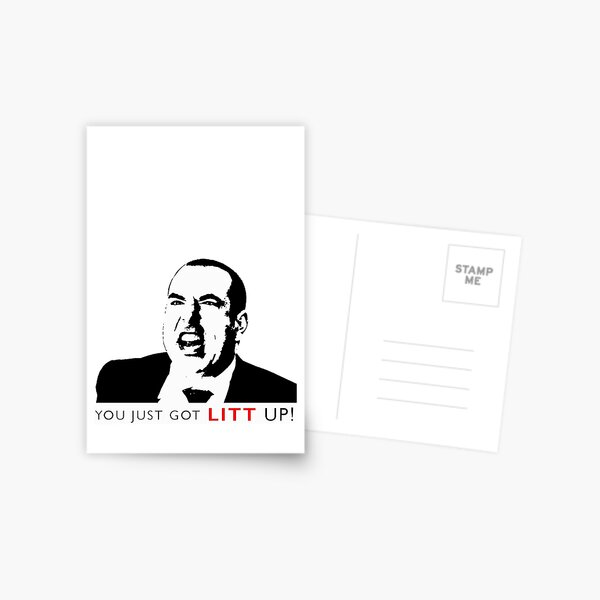
The Louis Litt Method: How a TV Villain Redefined Legal Hustle and Office Politics
The Louis Litt Method: How a TV Villain Redefined Legal Hustle and Office Politics
In the pantheon of television lawyers, few characters capture the tension between brilliance and burnout as vividly as Louis Litt from Suits. Known for his volcanic temper, razor sharp intellect, and relentless pursuit of winning at all costs, Litt embodies the archetype of the driven legal professional who thrives under pressure. Over six seasons and a subsequent movie, the character, played by Rick Hoffman, evolved from a hotshot associate to a seasoned managing partner, offering a dramatized yet eerily familiar lens on ambition, ethics, and the cost of success in a high stakes law firm.
Louis Litt is not merely a caricature of a screaming boss; he is a complex study in how talent, insecurity, and institutional politics collide in one of the most cutthroat environments in the professional world. His journey reflects real dynamics in elite law firms, where the pressure to perform can distort management styles, test loyalties, and redefine what it means to lead. By dissecting key moments in his fictional career, from his early days as a temp to his eventual ascent to leadership, we can extract insights about resilience, negotiation, and the thin line between drive and self destruction.
The archetype of the brilliant but volatile lawyer is nothing new in legal fiction. What sets Louis Litt apart is his sustained presence across multiple seasons, allowing viewers to witness the long term consequences of his methods. He serves as both a cautionary tale and a case study in the realities of climbing the corporate ladder while holding together a fragile ego and a demanding practice.
In the world of Suits, the Pearson Hardman (and later Specter Litt) firm operates at the pinnacle of corporate law, servicing clients who expect nothing less than perfection. In this context, Louis Litt’s reputation as a rainmaker and a technical wizard is both his shield and his cage. His story is one of constant navigation between the courtroom, the boardroom, and the minefield of office relationships.
To understand Louis Litt is to examine a character built around conflict. He is frequently seen barking orders, questioning competence, and engaging in spectacular blowups, yet his track record of closing deals and solving impossible problems keeps him indispensable. This contradiction forms the core of his professional identity.
His management philosophy, if it can be called that, is rooted in a belief that fear is an effective motivator. He has little patience for weakness, whether it is a mistake from a junior associate or a strategic misstep from a senior partner. However, beneath the bluster lies a meticulous attention to detail and a profound understanding of the law that few in the firm can match.
Consider his dynamic with Harvey Specter, the more polished and politically savvy lawyer. Their relationship oscillates between rivalry and grudging respect, a dance of competition that drives many of the firm’s biggest victories. Louis often serves as the technical anchor, ensuring that Harvey’s grand schemes do not collapse under legal scrutiny. In essence, he is the brake and the accelerator simultaneously.
The arc of Louis Litt is marked by several pivotal moments that illustrate the highs and lows of his approach. One of the earliest defining shifts occurs when he is passed over for partnership, a wound that fuels much of his subsequent aggression. The desire for validation and the fear of being irrelevant propel him to extreme lengths, including taking on impossible cases and managing through intimidation.
His tenure as interim managing partner provides a fascinating look at his leadership capabilities under duress. In this role, he must balance the demands of clients, the expectations of the partners, and the survival of the firm itself. Here, we see flashes of genuine strategic brilliance, as he consolidates power and makes unpopular but necessary decisions to stabilize the ship.
Yet, his methods exact a toll. The constant pressure he places on his team creates an environment of high anxiety, but also of high output. For every associate who cracks under the strain, there is another who thrives on the adrenaline of his volatility. This paradox is central to the firm’s culture, and by extension, to Louis’s enduring presence.
The character also evolves significantly following personal crises, adding depth to his professional persona. A near fatal illness, moments of professional humiliation, and encounters with his own mortality force him to recalibrate. These narrative beats suggest that beneath the tough exterior is a person grappling with vulnerability, a theme that resonates in any high pressure profession.
Examining his negotiation tactics reveals another layer to his competence. Louis is a master of leverage, often using his encyclopedic knowledge of contracts and precedents to trap opponents in logical knots. He understands that in high stakes scenarios, psychological warfare is as important as legal argument. His courtroom demeanor is assertive to the point of aggression, a style that can unsettle opposing counsel and juries alike.
From a career perspective, Louis Litt’s journey outlines the perils and rewards of specializing in the trenches of transactional law. His value is not in charisma but in competence, a reminder that in certain legal environments, being the smartest person in the room is its own form of currency. However, the series does not shy away from showing the limitations of this model, particularly when collaboration and emotional intelligence become necessary for long term survival.
The dynamics within the firm further highlight the complexity of his role. As a managing partner, Louis must mentor younger lawyers, a task he performs with varying degrees of patience. He can be a brilliant teacher, breaking down complicated statutes into manageable components, but his default setting is usually skepticism. This duality affects the loyalty he receives from his team, creating a hierarchy based on performance and fear rather than pure camaraderie.
In moments of crisis, the firm consistently turns to Louis, validating his harsh but effective methods. He is the emergency room physician of the legal world, able to perform delicate operations under extreme pressure. This reliance solidifies his position, even as it isolates him from those who might challenge his authority.
The evolution of his character also touches on themes of legacy. Late in the series, the question of succession becomes paramount. Who will inherit the mantle of leadership at Specter Litt? Louis’s struggle to define his legacy—whether through victory in the courtroom or the cultivation of a sustainable firm—adds a poignant layer to his final seasons.
Ultimately, Louis Litt serves as a mirror to the relentless demands of the legal industry. His story is a testament to the idea that technical excellence can carve a niche, but navigating the human element of business is equally crucial. He is a reminder that the most formidable opponents are often the ones staring back from the mirror, driven by a hunger for recognition and a fear of being forgotten.
Related Post

Unveiling the Mastermind of Pearson Specter Litt: Who Plays Louis Litt On Suits?

Meet F. Scott Fitzgerald's Long Lost Cousin: Louis Litt's Wife In Real Life