The Michelle Taylor Paradox: How a Digital Analyst Became the Reluctant Face of Ethical AI
The Michelle Taylor Paradox: How a Digital Analyst Became the Reluctant Face of Ethical AI
In a quiet office in downtown San Francisco, Michelle Taylor stares at a line of code that could redefine the future of artificial intelligence. As a senior data ethicist at Veridian Dynamics, she is tasked with ensuring that the company's new machine learning model does not perpetuate the systemic biases that have plagued the tech industry for years. Yet, beyond the sterile corridors of her corporate environment, Taylor has become an unwitting symbol in a much larger debate about accountability, transparency, and the human cost of automation. Her journey from a brilliant but apolitical coder to a vocal advocate for ethical AI illuminates a critical inflection point in technology’s relationship with society.
Taylor’s story begins not with a protest or a whistleblowing revelation, but with a spreadsheet. Five years ago, she was a lead data analyst at a major fintech firm, crunching numbers for credit scoring algorithms. The work was lucrative and intellectually stimulating, but it lacked a moral dimension. That changed when an independent audit revealed that the algorithm was systematically denying loans to minority applicants in zip codes with high ethnic diversity. The statistical bias was undeniable, encoded in the very architecture of the model. "I looked at that data and I realized I wasn’t just building a product," Taylor recalled in a recent interview. "I was building a mechanism for economic exclusion. That day, I changed my career path."
This epiphany launched her into the field of AI ethics. She took a significant pay cut to join a non-profit think tank, where she began to deconstruct the logic of "neutral" technology. Her central thesis is that algorithms are never neutral; they are the sum of human biases, flawed data, and unchecked assumptions.
**The Anatomy of a Bias**
To understand Taylor’s crusade, one must first understand how bias enters the technological pipeline. It is rarely the result of overt malice. Instead, it is often a product of systemic blind spots and technical negligence.
1. **The Data Dilemma:** Machine learning models are only as good as the data they are trained on. If a facial recognition system is trained primarily on images of light-skinned individuals, it will be less accurate for people of color. If a hiring algorithm is trained on resumes from a decade dominated by male applicants, it will learn to penalize the word "women’s" on a CV.
2. **The Proxy Problem:** Even when sensitive data like race or gender is removed, machines are adept at finding proxies. A model might use purchasing history or zip codes as a stand-in for race, effectively smuggling discrimination back into the system.
3. **The Objective Vacuum:** Technologists often optimize for pure efficiency—maximizing clicks or minimizing error rates—without questioning the societal impact of that efficiency. Taylor argues that we are automating inequality because we have defined "success" too narrowly.
Taylor’s research focuses on the "feedback loop" phenomenon, where flawed algorithms create real-world outcomes that then reinforce the original flawed data. For example, an algorithm used by courts to predict recidivism might label a demographic group as high-risk. This leads to longer sentences for that group. When those individuals are incarcerated, they are removed from the job market and underrepresented in future data sets. The algorithm then interprets this lack of data as confirmation of their "risky" nature, creating a cycle that is incredibly difficult to break.
**The Corporate Tightrope**
Taylor works on the front lines of this conflict. Her current employer, Veridian Dynamics, is a defense contractor developing AI for logistics and resource allocation. While the applications seem mundane—optimizing supply chains, predicting equipment failure—the implications are profound. An algorithm that misroutes humanitarian aid during a crisis, Taylor warns, is functionally the same as a missile with faulty guidance.
"The ethical questions we face aren't hypothetical," Taylor stated during a keynote address at the Global Tech Summit last month. "They are logistical. They are about deciding who gets resources, who gets noticed, and who gets ignored. Every line of code we write is a vote for the kind of world we want to build."
Inside the company, Taylor leads a small team that performs "stress tests" on new software. They simulate scenarios where the AI is pushed to its limits to see if it fails in biased or dangerous ways. One notorious test involved a resource allocation model designed to distribute medical supplies. When Taylor’s team input a scenario where a rural, predominantly elderly population was affected, the model consistently deprioritized that area in favor of denser, younger populations. The logic was coldly mathematical: saving more young lives maximized the "utility" of the limited supplies.
"That finding kept a lot of us up at night," Taylor admitted. "The model was working exactly as it was programmed to. The failure wasn't in the math; it was in the goal."
**The Human Cost of Efficiency**
The abstract debate over algorithms often obscures the very real human consequences. Taylor frequently cites the case of "James," a pseudonym for a warehouse worker in Ohio. James was let go after a new inventory management AI flagged him as "chronically underperforming." He was devastated; he knew he was working hard. It took months of investigation to uncover the truth. The algorithm was analyzing keystroke dynamics and mouse movements. Because James had a tremor in his hands—a condition he developed after years of manual labor—the system interpreted his movements as hesitation and inefficiency. His job, which he had held for seven years, was automated out from under him based on a misinterpretation of his physiology.
"These systems create a layer of plausible deniability for employers," Taylor explained. "When James asked for an explanation, he was told the decision was made by an 'objective algorithm.' But an objective algorithm is a myth. It is a tool built by humans, trained on human data, and deployed by human managers. The bias is merely obscured, not eliminated."
**The Path Forward: Regulation and Responsibility**
So, where do we go from here? Taylor is a staunch critic of the current state of tech regulation, which she views as reactive and toothless. Most laws, such as the GDPR in Europe, focus on data privacy rather than algorithmic accountability. "We are trying to put a Band-Aid on a bullet wound," she said. "Privacy is important, but it doesn't stop an algorithm from making a discriminatory decision."
Her proposed solution is a form of "Algorithmic Bill of Rights" that would mandate transparency. She wants to see requirements for:
* **Impact Assessments:** Mandatory evaluations of a system's potential for bias before it is deployed.
* **Source Code Audits:** Allowing independent third parties to inspect the logic of high-stakes algorithms, similar to financial audits.
* **The Right to Explanation:** Ensuring that individuals affected by an algorithmic decision have the right to know how that decision was made.
Taylor’s journey is a reminder that the revolution in AI will not be fought only in the halls of Congress or the courts, but in the cubicles and server rooms where the technology is built. She represents a growing cohort of technologists who refuse to hide behind the veil of "complexity" and are demanding that their work be aligned with human values, not just market demands. As she logs off her computer at the end of another long day, staring at the city lights reflecting on her monitor, Michelle Taylor is not just thinking about the code she writes, but the world it will help create. The paradox of her role is that to build a more ethical machine, she must first insist on a more ethical standard for the humans building it.
Related Post

Michelle Taylor: Architect of Innovation in Modern Business Leadership
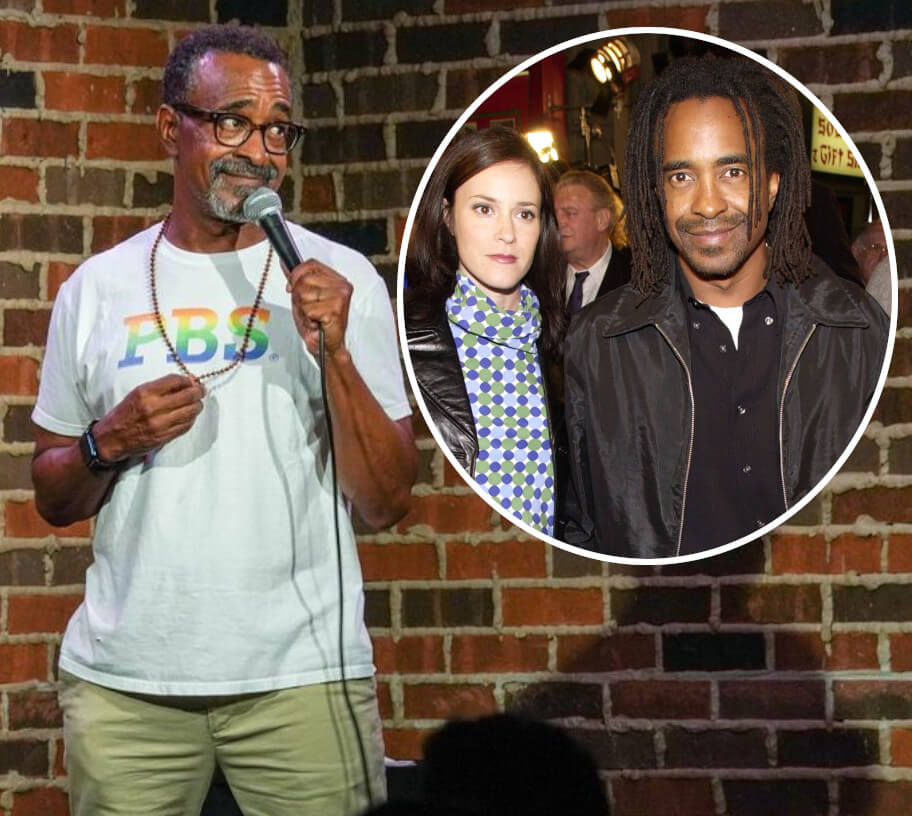
The Quiet Power of Michelle Taylor and Tim Meadows: Crafting Identity, Resilience, and Authenticity
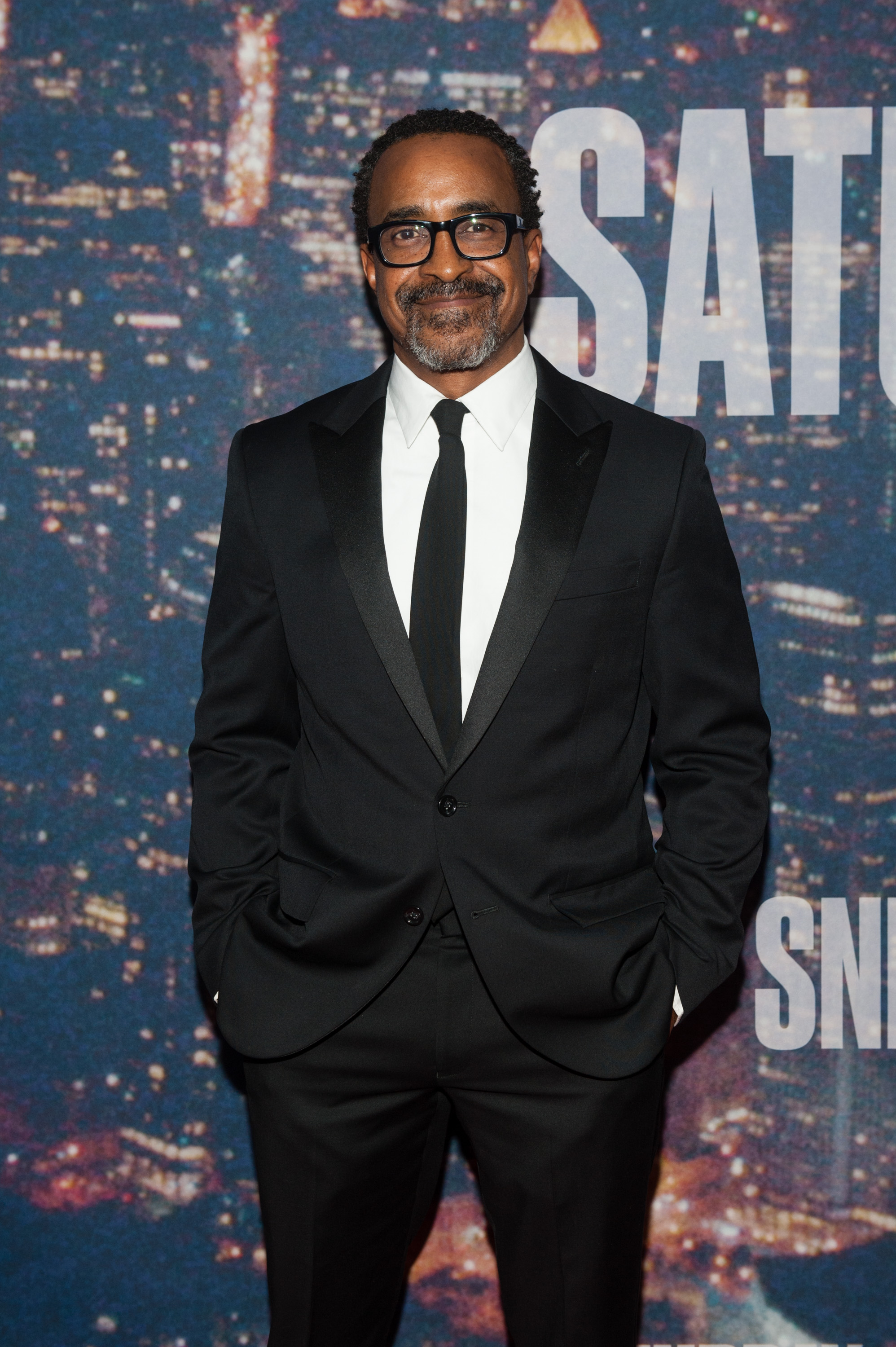
Tim Meadows’ Ex-Wife Michelle Taylor Was: A Private Marriage Entwined with Public Fame
Michelle Taylor Tim Meadows: Redefining Identity Through Voice, Art, and Advocacy


