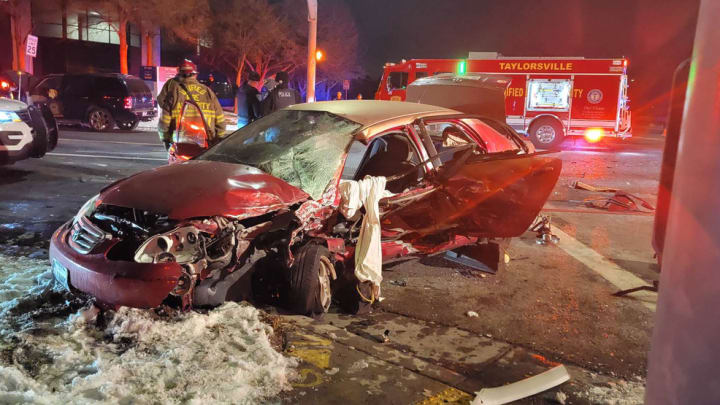
The Nikki Catsouras Photo: A Digital Tragedy and the Indelible Scars of the Internet
The Nikki Catsouras Photo: A Digital Tragedy and the Indelible Scars of the Internet
The 2006 death of Nikki Catsouras in a high-speed car crash in Orange County, California, was a private family tragedy that became a public digital phenomenon. When graphic photographs from the accident scene were leaked online and spread virally, they initiated a painful legal battle and ignited a global conversation about internet ethics, privacy, and the permanent nature of digital media. Her story remains a stark case study in how a single, uncontrolled image can inflict enduring trauma, shaping the lives of the deceased and the guardians of the internet for nearly two decades.
The sequence of events began on a Sunday afternoon, October 31, 2006. Nikki Catsouras, an 18-year-old with her whole life ahead of her, lost control of her father’s Porsche 911 on the 241 Toll Road. The vehicle veered off the road, struck a toll booth, and overturned, killing her instantly. The crash was severe, with authorities citing excessive speed as a primary factor. In the immediate aftermath, law enforcement officers captured several photographs at the scene, documenting the mangled wreckage and, tragically, the young woman’s body. These photographs were standard procedure for a fatal accident investigation, intended to record evidence for internal departmental use.
However, the integrity of that evidence was catastrophically compromised. The images leaked. The exact pathway of the leak remains a subject of dispute, but the prevailing narrative points to a Department of Justice investigator who sent the photos from his department email to his personal account. From there, they spread with devastating speed across online forums and imageboards, most notably 4chan, transforming the private horror of a grieving family into public spectacle. For the Catsouras family, the digital dissemination was a second, profound trauma. Photographs that were meant to serve a narrow, investigative purpose became instruments of public consumption, stripping away any sense of dignity from their daughter’s final moments.
The public reaction to the images was, and continues to be, a complex and unsettling mix of morbid curiosity, voyeurism, and outright cruelty. In an era preceding the widespread use of smartphones and the maturation of social media moderation, the internet was largely a frontier with little oversight. Users on message boards treated the images as shocking "content," engaging with them in ways that bordered on the grotesque. They were cropped into memes, superimposed onto other images, and shared with callous commentary. What was lost in this viral spread was the humanity of Nikki Catsouras. She was not a person with a family, a future, and a story cut tragically short; she was a macabre spectacle, a set of pixels to be consumed and dissected.
The family was forced into a relentless and public struggle to have the images removed. They filed a lawsuit against the Orange County Sheriff's Department, alleging negligence and violation of privacy. Their battle was not just against the anonymous users who circulated the photos but against the very entity responsible for their initial release. In a pivotal 2010 ruling, the California Supreme Court sided with the family, finding that the sheriff's department could be held liable for negligently releasing the photographs. This legal victory was a significant moment, affirming that the privacy rights of victims extend into death and that institutions have a duty to safeguard sensitive information with the utmost care. The family ultimately secured a confidential settlement, a legal acknowledgment of the profound wrong that had been done.
The Catsouras case has become a foundational narrative in digital ethics, cited in academic papers and journalism as a cautionary tale. It forced a critical examination of the responsibilities that come with technological power. The internet, designed as a tool for connection and information, can also function as a mechanism for profound harm when those safeguards fail. The images of Nikki Catsouras became a symbol of the internet’s capacity for cruelty, a permanent digital scar that continues to surface, reminding us of the real human cost behind anonymous clicks and shares. For the Catsouras family, the photographs remain a source of enduring pain, a constant visual reminder of a loss that was compounded by the digital age. Their fight was, and continues to be, a fight for control over a narrative that was violently taken from them.
Related Post
UNSEEN REALITY: THE NIKKI CATSOURAS PHOTOS THAT ROCKED THE NATION
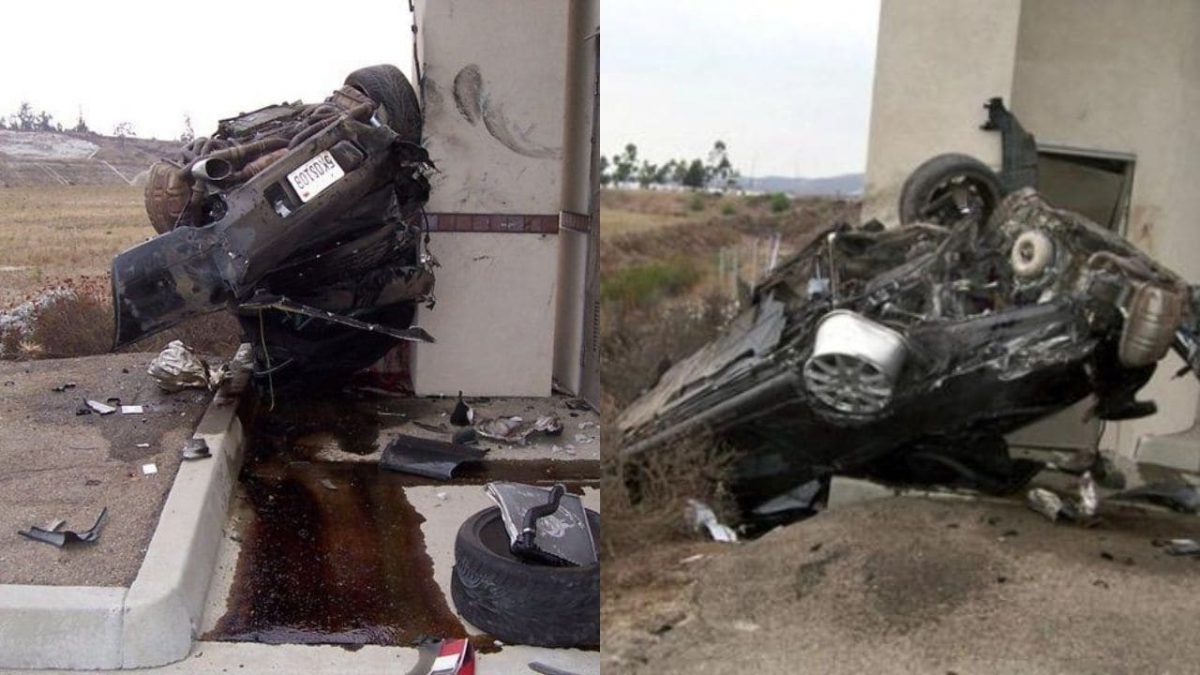
Nikki Catsouras: Capturing Truth Through the Lens in Raw, Unflinching Photos

The Nikki Catsouras Photos Scandal: Unpacking the Harsh Reality of Social Media and Identity Theft