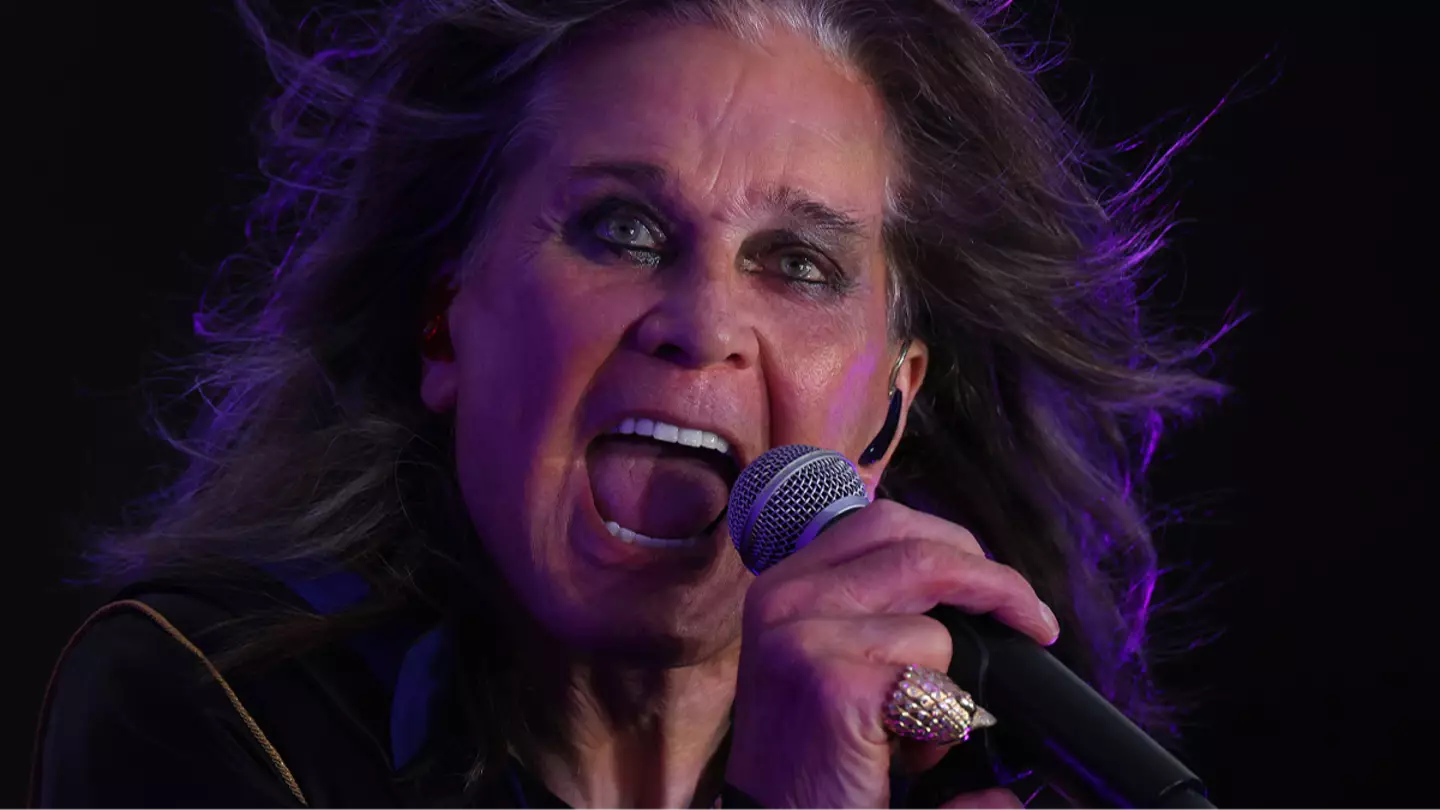
The Ozzy Osbourne Discography: A Chronological Descent Into Rock Inferno
The Ozzy Osbourne Discography: A Chronological Descent Into Rock Inferno
Ozzy Osbourne’s career is a narrative of survival and excess, defined by his transformation from the haunting vocalist of heavy metal pioneers Black Sabbath to a global pop-cultural icon of rebellion. His discography serves as the sonic diary of this journey, charting the evolution from doom-laden riffs to polished, anthemic rock and personal confessionals. This article provides a detailed examination of his recorded works, analyzing the artistic trajectory and cultural impact of each distinct era.
The foundation of Ozzy’s legend was laid not in his solo career, but in the dark corridors of Black Sabbath. Formed in Birmingham in the late 1960s, the band—with Ozzy as the vocalist—created a new musical language rooted in occult imagery, downtuned guitars, and themes of despair. Albums like *Paranoid* (1970) and *Master of Reality* (1971) established the blueprint for heavy metal itself. "I was just a singer," Ozzy reflected on this period. "I sang what I felt, which was usually about darkness, depression, and the supernatural. I didn't think it was that scary; it was just reality as I saw it." This era produced the anthems "Iron Man," "Paranoid," and "War Pigs," tracks that remain cornerstones of the genre. However, creative tensions and Ozzy’s escalating substance abuse led to his dismissal from the band in 1979, a decision that reshaped his life and the landscape of rock music.
Ozzy’s transition to a solo artist was not merely a career change but a high-wire act of hedonism and redemption. His 1980 debut, *Blizzard of Ozz*, produced with Sharon Arden (later Sharon Osbourne) and managed by the legendary Don Arden, was an instant success. It featured collaborations with guitarist Randy Rhoads, whose classical training infused the music with a new level of sophistication. The album’s raw energy and tracks like "Crazy Train" and "Mr. Crowley" announced a star was born. The follow-up, *Diary of a Madman* (1981), further solidified his new identity, showcasing Rhoads’s virtuosity and darker lyrical themes. Tragically, Rhoads’s death in a 1982 plane cut the tour short and cast a long shadow over the project. Subsequent albums like *Bark at the Moon* (1983) and *No Rest for the Wicked* (1988) continued his commercial ascent, proving his appeal extended far beyond the Sabbath legacy. A defining moment in his career came in 1987 with the live album *Tribute*, recorded at Irvine Meadows. The album, featuring a star-studded lineup including Rhoads’s posthumous participation, became a multi-platinum phenomenon. "That night was so special," recalled bassist Rudy Sarzo, who played on the album. "It felt like we were proving something to the world, that Ozzy could stand on his own and absolutely destroy it."
The 1990s marked a shift in Ozzy’s sound and public persona. The grunge movement had diluted the mainstream appetite for heavy metal, and Ozza responded with a more radio-friendly approach. *No More Tears* (1991) was a critical and commercial peak, offering a cleaner production and more introspective lyrics. The title track and the ballad "Mama, I'm Coming Home" broadened his audience significantly. The album’s success led to a high-profile collaboration with Primus on the Grammy-winning "Frizzle Fry." However, the follow-up, *Ozzmosis* (1995), was plagued by production turmoil and the departure of key songwriter John Sinclair, resulting in a disjointed record that struggled to find its footing. This era was also defined by personal turmoil. In 1982, Ozzy infamously bit the head off a bat during a concert in Des Moines, a stunt he initially believed was rubber. He later clarified the truth in a retrospective interview, stating, "I went out there, and it was a very stupid and very dangerous thing to do... I picked it up, and it was a real one. And it was still moving." The incident became a permanent part of his mythos, symbolizing the extreme lengths he would go to for performance.
Entering the new millennium, Ozzy embraced his status as an elder statesman of rock. Collaborations became a hallmark of his work, pairing his distinctive voice with a new generation of stars. The 2001 album *Down to Earth* featured the Grammy-winning single "Iron Man," a duet with chart-topping rapper Missy Elliott, a move that seemed unthinkable a decade prior. Further collaborations with stars like Kelly Osbourne (his daughter), Evanescence, and posthumously with Rhoads kept him relevant. The release of *Black Rain* in 2007 was a return to form, delivering heavy riffs and a cohesive sound. He continued to tour relentlessly, his voice weathered but powerful, captivating audiences with a mix of old and new. His reality television show, *The Osbournes*, which premiered in 2024, provided a counterpoint to his stage persona, offering a raw, unfiltered look at family life that endeared him to a new generation. As he prepared for his final tour, "The Retirement Sucks Tour," Ozzy remained candid about his legacy. "I’ve had a brilliant career," he said in a 2023 interview. "I’ve done things that other musicians can only dream of. The music, the fans, the chaos—it’s all been part of the ride." His discography is more than a list of albums; it is the map of a life lived in the exhilarating and perilous spotlight.
Related Post
Ozzy Osbourne Discography A Complete Guide: Every Album, Track, and Era Decoded