The Pelosi Age: How Nancy Pelosi's Tenure and Timing Redefine Leadership in an Aging America
The Pelosi Age: How Nancy Pelosi's Tenure and Timing Redefine Leadership in an Aging America
Nancy Pelosi’s continued prominence in national politics has made her age a focal point for analysts, voters, and media, intersecting with questions about generational transition, institutional memory, and democratic vitality. As the first woman to serve as Speaker of the House and a central figure in Democratic strategy for nearly two decades, her career invites examination of how longevity in office shapes policy outcomes and public perceptions of leadership. This exploration looks beyond simple numbers to consider what her trajectory reveals about experience, resilience, and the evolving expectations placed on those who govern.
Age has become an unavoidable lens through which many political careers are viewed, and Pelosi’s trajectory is emblematic of broader trends in American governance. At a time when debates over leadership age and fitness are increasingly prominent across parties, her sustained influence offers a case study in how political capital can be maintained over decades. Observers note that her ability to navigate shifting coalitions, policy priorities, and electoral landscapes reflects both strategic acumen and the complex relationship between seniority and effectiveness in contemporary democracy.
The focus on Pelosi’s age intersects with fundamental questions about representation, succession planning, and the balance between continuity and renewal in democratic institutions. As she has remained at the center of key legislative battles, discussions about her tenure have often extended beyond policy specifics to address implicit biases about aging, authority, and the changing face of political power. Understanding this context is essential to interpreting both her enduring relevance and the challenges facing the party she has long led.
Nancy Patricia D’Alesandro was born in Baltimore, Maryland, on March 26, 1940, during a period of significant transition in American political and social life. Growing up in a politically engaged family—her father served as mayor of Baltimore from 1947 to 1959—she was immersed early in the mechanics of governance and public service. Her formative years in a Democratic household that valued civic participation would later provide a foundation for a career defined by legislative maneuvering and coalition building.
Pelosi’s educational background includes attendance at the Institute of Notre Dame, an all-girls Catholic high school in Baltimore, and Trinity College in Washington, D.C., where she graduated with a degree in political science in 1962. These institutions exposed her to both rigorous academic inquiry and the possibilities for women in public life, even as they navigated the constraints of their time. Her move to San Francisco in the 1960s marked a pivotal geographic and ideological shift, aligning her with a growing progressive movement that would shape her political identity.
Her entry into politics came through grassroots organizing and party activism, culminating in her election to the Democratic National Committee in 1976 and subsequent rise within California Democratic circles. These early roles allowed her to develop the intricate understanding of legislative process and coalition dynamics that would later define her leadership style. By the time she won a special election for California’s 5th congressional district in a 1987 special election, she had already established a reputation as a formidable organizer and policy thinker.
Pelosi’s ascent to Speaker of the House in 2007 represented a historic milestone, making her the first woman to hold the position and cementing her status as a central figure in American politics. During her first tenure as Speaker from 2007 to 2011, she managed the passage of landmark legislation including the Affordable Care Act, despite facing a fractious caucus and increasingly polarized political environment. Her management of the House agenda demonstrated a capacity for strategic prioritization and negotiation that surprised many observers who had underestimated her legislative sophistication.
After Republicans regained control of the House in 2011, Pelosi transitioned into the role of Minority Leader, a position she held until Democrats reclaimed the majority in 2019. This period required a different set of skills, emphasizing fundraising, message discipline, and the articulation of a coherent alternative to Republican priorities. Her stewardship during these years helped preserve Democratic institutional strength and set the stage for the party’s resurgence in the 2018 midterms, often characterized as a “blue wave.”
Following the 2018 elections, Pelosi reclaimed the Speakership for a second tenure, leading the House through investigations of the executive branch, impeachment proceedings, and the navigation of a global pandemic. Age became an increasingly prominent theme in media coverage, with commentators frequently noting her birth year as context for her stamina, decision-making pace, and long-term vision. This recurring focus reflects broader societal conversations about the appropriate age for leadership and the extent to which experience should factor into assessments of fitness for office.
Throughout her career, Pelosi has faced persistent questions about the sustainability of her leadership and the appropriate timing for transition, particularly as she has approached and surpassed conventional retirement ages for many professions. These discussions often highlight tensions between the value of institutional knowledge and the democratic ideal of regular turnover, with advocates on different sides of the debate invoking principles such as voter choice, party renewal, and symbolic representation. Her responses to such calls have typically emphasized the importance of electoral outcomes and the judgment of her constituents in determining her continued service.
- Institutional Memory: Pelosi’s deep understanding of House rules, historical precedents, and cross-party relationships has enabled her to navigate complex legislative processes with a level of proficiency that can require decades to develop.
- Coalition Management: Maintaining cohesion among diverse factions within the Democratic caucus has demanded constant negotiation, a skill honed through years of building relationships and understanding individual priorities.
- Strategic Communication: Her ability to frame policy debates in accessible terms for the public reflects an evolved capacity to translate detailed legislative work into compelling narratives.
- Adaptability: Shifts in party dynamics, technological changes in campaigning, and evolving media landscapes have required continuous learning and adjustment throughout her career.
- Representation and Symbolism: As a woman who has broken multiple barriers, her continued presence carries symbolic weight for gender equality in politics, even as she has consistently emphasized policy achievements over identity alone.
Public perception of Pelosi’s age and fitness for leadership has been shaped by a combination of partisan viewpoints, media framing, and broader cultural attitudes toward aging. Supporters often highlight her record of legislative accomplishment, resilience in the face of political setbacks, and the continuity her presence provides during periods of uncertainty. Critics, meanwhile, may focus on perceived inflexibility, gaffes, or the argument that new leadership could bring fresh perspectives and approaches to governing challenges.
Comparisons with leaders in other countries who have served well into advanced age reveal a global pattern of grappling with similar questions about capacity, legacy, and renewal. In some parliamentary systems, institutional mechanisms for leadership transition are more structured, whereas in the U.S. context, such decisions remain largely in the hands of individual politicians and their electorates. This decentralized approach places significant responsibility on voters to weigh experience against other values such as innovation, diversity, and long-term viability.
The broader implications of Pelosi’s career extend beyond her individual biography to address systemic questions about how democracies balance stability and change. Her trajectory illustrates both the strengths and potential limitations of a system that allows for prolonged tenure, particularly in environments where political polarization can entrench positions and hinder generational transition. As discussions about term limits, retirement norms, and leadership pipelines continue to evolve, her example serves as a reference point for evaluating the tradeoffs associated with experience in governance.
Looking ahead, the conversation around Pelosi Age will likely remain intertwined with larger debates about the future direction of the Democratic Party, the evolving role of women in politics, and the changing demographics of American leadership. Whether she chooses to continue serving or transition to new roles, her influence on institutional development and policy outcomes will endure as a significant factor in understanding contemporary American politics. Her career thus far offers a lens through which to examine the complex interplay between age, authority, and effectiveness in democratic governance, highlighting both the opportunities and challenges presented by sustained political engagement.
Related Post

Nancy Pelosi's Age: A Reflection of Her Resilience and Enduring Impact on American Politics
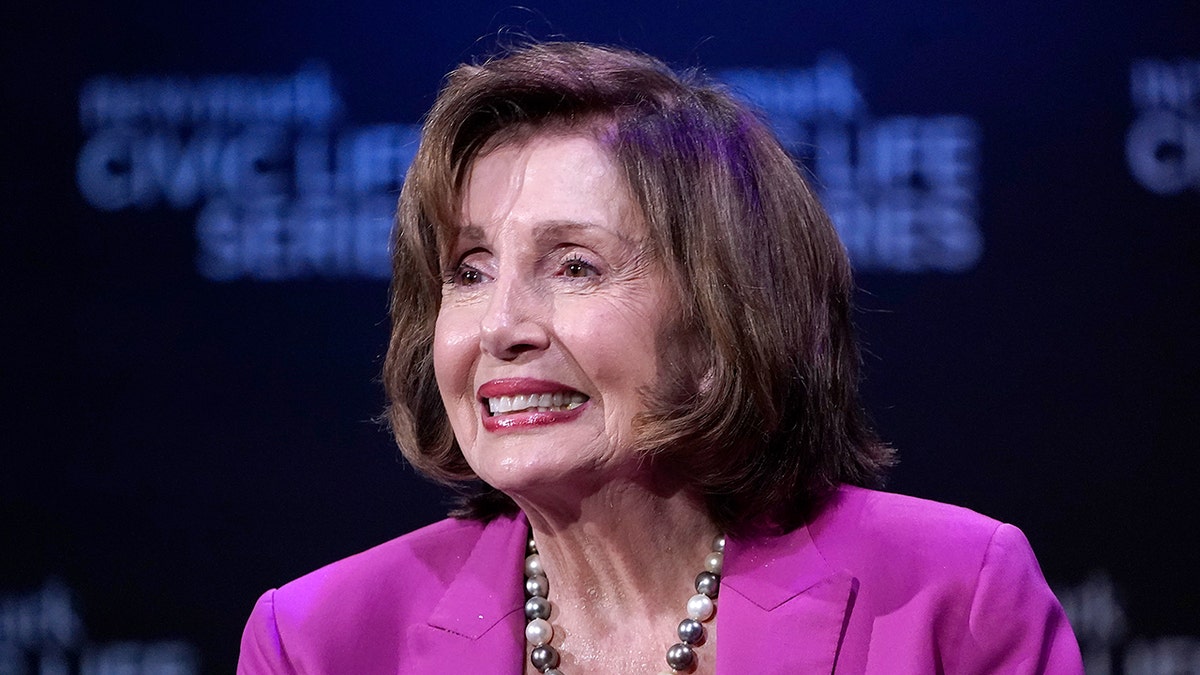
Meet the Mastermind Behind the Era: Unpacking Nancy Pelosi's Age and Its Impact on Her Career

Boel Forge: Behind the Legacy of Tobias Forge—The Quiet Strength of His Wife

Juliet Joslin’s Revolutionary Role in Redefining Modern Airmanship