The Post Office Drop Box: An Enduring Symbol of Reliability in a Digital World
The Post Office Drop Box: An Enduring Symbol of Reliability in a Digital World
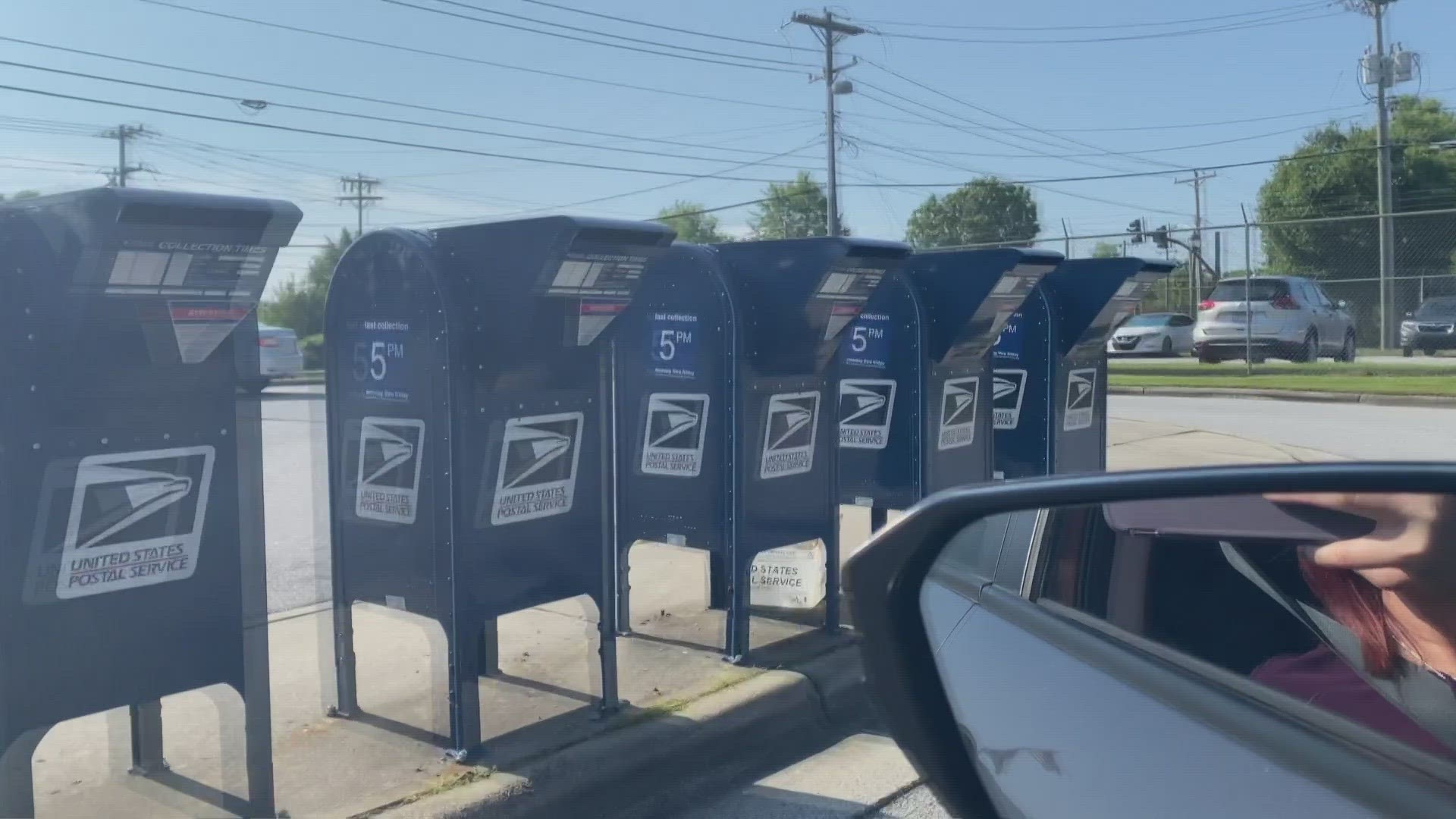
The post office drop box, a ubiquitous steel beacon on street corners and in lobbies, remains a critical conduit for communication and commerce despite the rise of electronic messaging. More than just a receptacle for mail, it represents a physical promise of delivery, a tangible link between sender and recipient governed by strict protocols and centuries-old infrastructure. This article examines the history, technology, operational procedures, and enduring relevance of the postal drop box in the 21st century.
The origins of the centralized mail drop can be traced back to the 19th century, when the explosion of postal traffic necessitated a more efficient alternative to individual trips to the post office. The first dedicated street collection boxes appeared in the United Kingdom in the 1850s, painted in distinctive colors to signify their purpose. The design evolved into the iconic, often green, pillar box that remains recognizable today. Across the Atlantic, the United States adopted a similar model, with the Post Office Department standardizing collection points to streamline the flow of mail from remote locations to processing centers. This innovation democratized access to postal services, allowing citizens and businesses to deposit correspondence and parcels outside of rigid office hours. The fundamental principle—ensuring that sent items enter a secure, monitored staging area for eventual processing—has remained constant, even as the technology within and around the box has advanced.
Modern postal drop boxes are engineering marvels designed to withstand harsh weather, physical tampering, and immense volume. Their construction is a study in durability and security. Unlike simple bins, they operate on a complex system of internal mechanisms that ensure only authorized personnel can access the collected mail.
Key components and features include:
- **The Collection Door:** A heavy, hinged door that seals shut, often requiring a manual crank or motor to open. This door is the primary barrier against the elements and theft.
- **The Audit Trail System:** When a carrier opens the box to service it, a dated and often time-stamped record is generated. This log provides a verifiable chain of custody, detailing exactly when the box was last accessed.
- **Internal Security Baffles:** Inside the box, there is often a locking mechanism or baffle system. This prevents mail from being easily rifled through between collection cycles, adding a layer of security for items of high value.
- **Capacity and Design:** Boxes are engineered to hold specific volumes. Oversized slots exist for parcels and flat-rate envelopes, while narrower openings accommodate letters. The internal geometry ensures that even when full, mail cannot jam the exit chute.
The operational lifecycle of a drop box is a meticulously managed process. It is not a passive container but an active node in a vast logistical network. The cycle begins long before a carrier approaches the box and ends only when the contents are safely logged into a larger processing stream.
The sequence of events is generally as follows:
1. **Deployment:** The box is affixed to a concrete foundation, either as a standalone pillar or integrated into a wall. Its location is chosen based on traffic patterns, security, and proximity to a collection route.
2. **Scheduled Service:** Collection is not random. Postal routes are planned down to the minute. Carriers follow strict schedules, ensuring that mail is picked up at consistent times, which is advertised on the box door or via the post office's website.
3. **Access and Retrieval:** Using a unique key or an electronic access device, the carrier opens the box. The contents are not merely dumped; they are often swept or pulled out in a specific manner to ensure nothing is left behind.
4. **Sealing and Logging:** Immediately after being emptied, the box door is locked. The carrier logs the time of service, and sometimes the volume of mail, in a manifest or electronic device. This data is transmitted back to the central sorting facility.
5. **Transportation to Facility:** The collected mail is transported to a Distribution Center (DC). Here, it enters the high-speed sorting machinery that scans, sorts, and routes it to its final destination.
The continued reliance on physical drop boxes prompts a logical question: in an era of instant email and digital tracking, why does this analog system persist? The answer lies in its unique blend of accessibility, security, and universality. For millions of Americans, particularly in rural areas or multi-unit dwellings without secure lobby access, the drop box is the most convenient method of sending mail. It provides a private, immediate outlet for sending payments, resumes, and personal letters without needing to visit a staffed window. Furthermore, certain items simply cannot be sent electronically. Legal documents requiring certified mail, physical merchandise from small businesses, and official government forms often necessitate a physical traceability that only a barcode-scanning postal system can provide. The drop box is the vital first mile of that journey.
Consider the small business owner who prints shipping labels at home. Instead of driving to the post office, they walk outside, open the slot, and deposit the package. For the tenant in an apartment building, the lobby drop box is a secure alternative to handing mail to a front-desk attendant. The system’s strength is its silent reliability. As one veteran postal supervisor once noted, observing the steady stream of collections, "The box doesn't lie. What goes in at 6:00 PM is what we account for at the DC. It is the first, and one of the most critical, steps in ensuring a customer's item gets where it needs to go." This trust in the system’s integrity is perhaps its greatest asset.
Technological integration has also enhanced the drop box without altering its fundamental form. Many modern units are equipped with slot sensors that detect when the collection door is open, alerting supervisors to potential servicing delays or after-hours access attempts. Some are engineered with anti-skimming technology to protect against card-reading devices if integrated with retail postage kiosks, although this is more common in Europe. The data gathered from these systems feeds into logistical algorithms, optimizing driver routes and ensuring timely service across vast geographical areas. The post office drop box, therefore, is not a relic but a durable piece of evolving infrastructure.
Looking ahead, the role of the drop box will likely continue to shift. While the volume of First-Class Mail has declined due to digital substitution, the volume of retail and e-commerce parcels has surged. This has transformed the drop box from a purely document-sending tool into a crucial reverse logistics and small-parcel collection point. The physical network of these boxes provides a distribution skeleton that e-commerce giants and the postal service alike can leverage for last-mile delivery alternatives. The basic function—a secure, standardized point of entry for the mailstream—remains as relevant as ever. It is a testament to thoughtful infrastructure design that a technology predating the automobile continues to serve as a cornerstone of modern communication and commerce, adapting to new demands while maintaining the core promise of secure, universal delivery.
Related Post
Unlock the Convenience of Post Office Drop Boxes: A Guide to Secure and Reliable Mail Collection

Find Your Post Office Drop Box Near Me: A Comprehensive Guide to Convenient Mail Delivery