The Quiet Heir: How Susan Alice Buffett Embodies a Legacy of Patience and Pragmatic Giving
The Quiet Heir: How Susan Alice Buffett Embodies a Legacy of Patience and Pragmatic Giving
Susan Alice Buffett represents a quiet counter-narrative to the spectacle of generational wealth. As the eldest child of Warren Buffett, she has largely eschewed the limelight, focusing instead on institutional stewardship through her role as a trustee of the Susan Thompson Buffett Foundation and her long tenure on the boards of Berkshire Hathaway and the Buffett Foundation. Her life illustrates a philosophy where measured impact supersedes public recognition, operating firmly within the framework of her parents' established values of fiscal prudence and patient capital allocation, even as she navigates the inherent complexities of her familial position.
Susan Alice Buffett was born in 1953, the firstborn of Warren Buffett and his late first wife, Susan Thompson Buffett. Growing up in Omaha, Nebraska, during a period of immense accumulation of family wealth, her childhood was reportedly grounded in normalcy despite the extraordinary financial trajectory of her father's investment partnership and later Berkshire Hathaway. Her mother, a prominent civic leader and jazz enthusiast, instilled in her a deep appreciation for the arts and community engagement, values that Susan Alice would carry into her own philanthropic pursuits. Unlike some heirs who might seek to forge a distinct identity entirely separate from the family empire, Susan Alice's path appears defined by an intrinsic understanding of the business her father built, albeit from a perspective of service rather than direct investment management.
Her entry into the formal structures of the family's philanthropic and business entities was not a sudden ascension but a gradual assumption of responsibility. She began serving as a trustee of the Susan Thompson Buffett Foundation, the primary philanthropic vehicle established by her parents, alongside her siblings. This foundation, distinct from the separate Buffett Foundation initiated by her father, focuses largely on reproductive health and family planning issues, reflecting the personal priorities of her mother. Susan Alice’s role involved not just financial oversight but also strategic guidance, ensuring that the foundation’s substantial resources were deployed effectively in accordance with its founding mission. Her tenure provided continuity, ensuring that the foundation's momentum remained consistent with its long-term objectives during periods of transition.
Beyond the familial philanthropic sphere, Susan Alice Buffett’s influence extended into the corporate governance of Berkshire Hathaway. For decades, she served as a director of the conglomerate, holding a position that demanded the same rigorous analytical scrutiny expected of any institutional investor, albeit with the unique dimension of familial loyalty. Her presence on the board served as a vital link between the company’s operational brilliance and the interests of a family whose collective stake remains significant. She was part of a generation of trustees and board members tasked with safeguarding the legacy while allowing the enterprise to evolve. Her voice, while rarely raising headlines, was part of the collective wisdom deliberated in boardrooms during major strategic decisions.
The contrast between her approach and that of more publicly visible heirs or activists is stark. Susan Alice has never cultivated a public persona tied to investment acumen or social advocacy in the manner of some descendants of industrial titans. Her contributions are largely behind the scenes, channeled through committee work and private counsel. This deliberate withdrawal from the spotlight is itself a statement, reinforcing the Buffett family’s ethos that substance outweighs spectacle. It suggests a belief that the most effective form of stewardship is often invisible, operating through reliable execution rather than charismatic pronouncements. She embodies the principle that true influence within a vast enterprise like Berkshire does not always require a public facing.
Her life has also been marked by personal challenges that have inevitably shaped her perspective. The high-profile divorce from her husband, Allen Greenberg, in the early 2000s was a matter of public record, yet she maintained a notable silence about the details, focusing instead on her work and family. More significantly, the passing of her mother, Susan Thompson Buffett, in 2004 was a profound personal loss that also reshaped the philanthropic landscape. Subsequently, her father’s marriage to Astrid Menks brought a new dynamic into the family structure, and Susan Alice navigated this evolution with the same quiet grace that has characterized much of her public life. These experiences likely informed her understanding of the enduring importance of stability and careful stewardship, both emotionally and financially.
In recent years, as Warren Buffett has advanced in age and Berkshire Hathaway has confronted new market and technological pressures, the role of the older generation of trustees and family members has inevitably shifted. Susan Alice Buffett’s involvement, while continuing, has adapted to this new context. She remains a trustee of the Susan Thompson Buffett Foundation, a position that leverages her decades of experience. Her continued presence on the Berkshire Hathaway board, though perhaps less frequently discussed in recent annual meetings, signifies the enduring value placed on institutional memory and family perspective within the conglomerate’s governance structure. She represents a living connection to the company’s origins and the principles that guided its ascent.
The legacy of Susan Alice Buffett is not defined by groundbreaking investment theories or bestselling books on philanthropy. It is a legacy of consistency and quiet dedication. She has chosen to measure her success not in media mentions or public accolades, but in the steady administration of resources aimed at improving lives according to her mother’s vision and the enduring values of her father. In an era often dominated by self-promotion, her path offers a counterpoint: a demonstration that true impact can be achieved through unwavering commitment to purpose, operating with dignity and discretion behind the scenes. She is the embodiment of a principle her father often articulated regarding wealth: it is not merely to be accumulated, but to be deployed wisely and with a sense of responsibility to the greater good. Her story is a testament to the idea that the most profound legacies are sometimes built not in the glare of the spotlight, but in the sustained, unseen work of preservation and careful giving.
* **Formative Years in Omaha**: Raised in the shadow of her father's burgeoning investment career, Susan's upbringing emphasized normalcy and the values of frugality and intellectual curiosity fostered by her parents.
* **Philanthropic Foundation Stewardship**: As a key trustee of the Susan Thompson Buffett Foundation, she played a crucial role in directing significant resources toward reproductive freedom and family planning initiatives.
* **Corporate Governance Role**: Her decades-long tenure as a director of Berkshire Hathaway provided essential board-level insight, balancing familial ties with the fiduciary duties expected of a corporate overseer.
* **Navigating Personal and Familial Shifts**: She has weathered personal transitions, including divorce and the integration of a stepmother, maintaining her focus on her commitments to family institutions.
* **Enduring Commitment to Institutional Values**: Her continued work reflects a deep-seated adherence to the principles of patient capital and measured impact that defined the Buffetts' approach to business and philanthropy.
Related Post

The Quiet Influence of Susan Alice Buffett: Legacy, Philanthropy, and Quiet Power
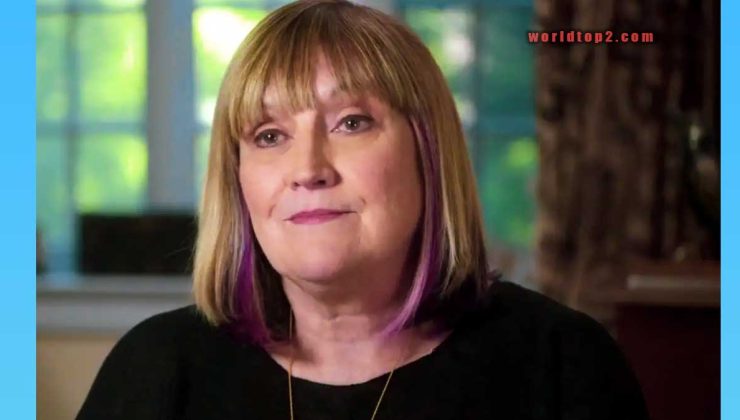
Susan Alice Buffett: The Quiet Strength Behind the Buffett Legacy – Age, Husband, and Net Worth Revealed
Who Owns Fox News? The Murdochs: A Family Legacy of Power and Influence

Where Does The Pope Live: Exploring the Vatican's Secret Hideaways and Hidden Treasures


