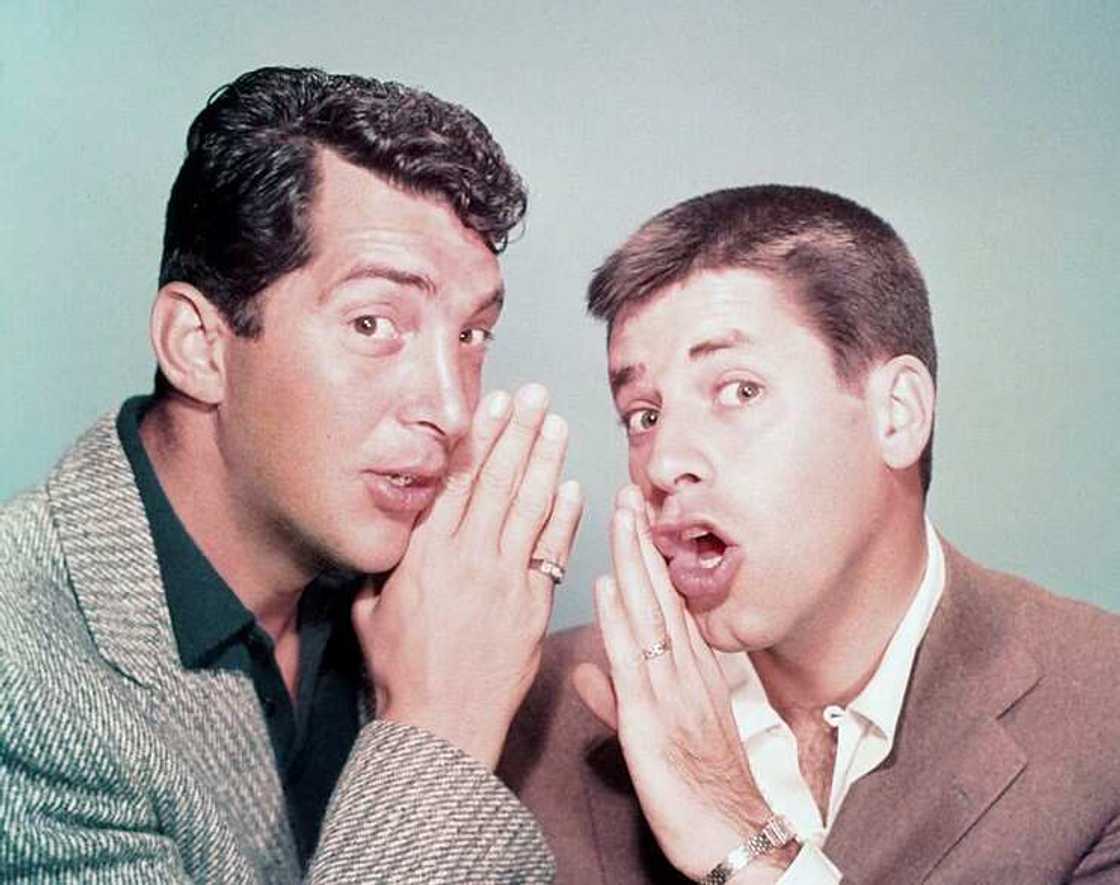
The Rat Pack Members: How Frank, Dean, Sammy, Peter, and Joey Redefined Cool
The Rat Pack Members: How Frank, Dean, Sammy, Peter, and Joey Redefined Cool
The Rat Pack, an informal yet iconic collective of entertainers led by Frank Sinatra, Dean Martin, Sammy Davis Jr., Peter Lawford, and Joey Bishop, dominated Las Vegas, film, and pop culture in the 1950s and 60s. This legendary group blended music, comedy, and cinema while navigating complex social dynamics and the shifting cultural landscape of mid-century America. Their influence persists, shaping modern concepts of celebrity, masculine swagger, and the nightclub-as-stage.
The Origins and Formation of the Rat Pack
The Rat Pack did not emerge from a boardroom or a formal contract, but from a circle of friends, professional necessity, and late-night Hollywood gatherings. Its roots trace back to post-World War II Hollywood, where actors and musicians often socialized in informal groups. The specific nucleus that became the famous Rat Pack began with Frank Sinatra, his close friend Peter Lawford, and entertainers like Audrey Hepburn and Lauren Bacall in the early 1950s. The group's mythology was significantly shaped by a move to Las Vegas in the mid-1950s, where they crafted a new kind of entertainment that was equal parts performance and private club.
The transformation into the "classic" Rat Pack is often attributed to producer Mike Lawrence and the demands of a specific tour. In 1957, Lawford convinced Sinatra, Martin, Davis, and himself to perform a series of concerts in Las Vegas, capitalizing on their collective charisma. This initial lineup, cemented by the addition of Joey Bishop that same year, created a unique alchemy. They weren't just a musical group; they were a behavioral template.
The Core Five and Their Dynamic
The core of the Rat Pack was a distinct blend of immense talent and clashing personalities. Each member brought a specific flavor to the group’s public persona and internal dynamics.
- Frank Sinatra: The undisputed leader and gravitational center. Sinatra, at the height of his power in the late 1950s, was the organizer, the connector, and the enforcer. His career had been revived by his role in "From Here to Eternity" (1953) and his success as a recording artist. He used the Rat Pack to control his image, project an aura of effortless cool, and maintain relevance in an increasingly television-saturated world.
- Dean Martin: The archetypal smooth operator. Martin’s appeal was his laconic, boozy charm and his incredible singing voice, which delivered seemingly effortless hits like "Everybody Loves Somebody" and "That's Amore." His relaxed stage persona provided a perfect counterpoint to Sinatra’s intensity, embodying a vision of hipster masculinity that was cool, unflappable, and perpetually in on the joke.
- Sammy Davis Jr.: The virtuoso. As a singer, dancer, and comedian, Davis Jr. was a phenomenal talent. His membership, however, was complicated by the virulent racism of the era. He faced significant restrictions on where the group could perform and who could attend their private events, a reality that fueled his activism and added a layer of profound social commentary to the group's escapism. His presence was a constant reminder of the world the Rat Pack was both part of and trying to escape.
- Peter Lawford: The connector. Lawford’s primary value to the group was his social access. Married to Patricia Kennedy, sister of then-Senator (and later President) John F. Kennedy, he provided a crucial link to the political and social elite. This connection was a double-edged sword, bringing prestige but also intense public scrutiny and political complications, most notably during the 1962 Bobby Baker scandal.
- Joey Bishop: The everyman. The oldest member of the group, Bishop served as a grounding force. He was the straight man, the comedian who could deliver a zinger, and the one who often played the role of the audience's surrogate, voicing a more cynical or bewildered perspective on the group's antics. His presence helped balance the more outsized personalities of the others.
Defining an Era: The Rat Pack in Action
The Rat Pack’s power was demonstrable in their work and their lifestyle. Their legendary performances at the Sands Hotel in Las Vegas weren't just concerts; they were immersive theatrical events. They would wander between tables, drinking, joking, and tailoring their shows to the specific crowd in front of them, creating an intimacy that was impossible to replicate on television.
Their film careers, while not always cohesive, produced some of the era’s most memorable work. Films like "Ocean's 11" (1960), a heist movie about U.S. Air Force veterans who rob five Las Vegas casinos, cemented their status as movie stars and allowed their real-life dynamic to play out on screen. "Sergeants 3" (1962), a Western remake of "Gunga Din," and the less successful "Robin and the 7 Hoods" (1964) further explored their particular brand of camaraderie and cool.
The pinnacle of their cultural integration came with the Kennedy connection via Peter Lawford. The so-called "Mahagonny" summits at Lawford's Palm Springs home in the early 1960s, where the Kennedys and the Rat Pack would gather, represented a merging of Hollywood cool and political power. As chronicled in various biographies and accounts, these events were a potent symbol of a new kind of celebrity-politics relationship.
The Mechanics of Their Magic: Quotations on the Myth
Understanding the Rat Pack requires looking at how they spoke about themselves. Their humor was a shield and a sword. The famed wit and self-deprecation of the group helped them navigate the racial tensions and social complexities of the era.
Sammy Davis Jr. captured the group's essence and its challenges with characteristic frankness: "I was a Negro and I was famous. And that combination was a contradiction in terms." This statement highlights the unique pressure Davis was under and how the group's unity was, at times, a necessary refuge.
Dean Martin, embodying the group's effortless cool, was once quoted as saying, "You don't need a stamp to buy a beer." This line, while simple, encapsulates the anti-establishment, free-wheeling attitude that defined their public image. It was a mantra for a generation looking to break free from convention.
Frank Sinatra, the leader, understood the commercial and cultural power they wielded. He was known to be fiercely protective of the group's brand and his own authority within it. His management of the group was pragmatic; he knew that their collective appeal was greater than the sum of its parts, a fact he leveraged to maintain his own star power in a changing industry.
Decline and Lasting Legacy
The Rat Pack's cohesion began to unravel in the early 1960s. The Kennedy assassination cast a long shadow, severing the crucial political link that Peter Lawford provided. Internal tensions, fueled by Sinatra's growing paranoia, Martin's increasing desire to avoid controversy, and the changing tides of popular music and culture, led to the group's disintegration as a performing entity. The rise of the British Invasion and the social upheavals of the mid-1960s made their brand of masculine, lounge-singing escapism seem increasingly out of touch.
Yet, their legacy is indelible. They defined a specific archetype of masculine cool—worldly, cynical, yet deeply loyal to their circle. They proved the power of the celebrity "brand" and how a group identity could amplify individual success. Modern luxury, from high-stakes poker games to A-list movie premieres, often echoes the Rat Pack model of the insular, exclusive celebrity circle. They showed that mystique could be a career strategy and that the image of a group could be as potent as any individual star. The myth of the Rat Pack, for all its flaws and contradictions, remains a powerful symbol of a bygone era of entertainment and a blueprint for celebrity synergy that is still studied and emulated today.
Related Post

Brat Pack Legacy: The Iconic Trio Who Redefined ‘80s Cool — And Changed Film Forever

The Rat Pack Members: Icons of Sultry Hollywood, Boldest Guilds of the Silver Screen