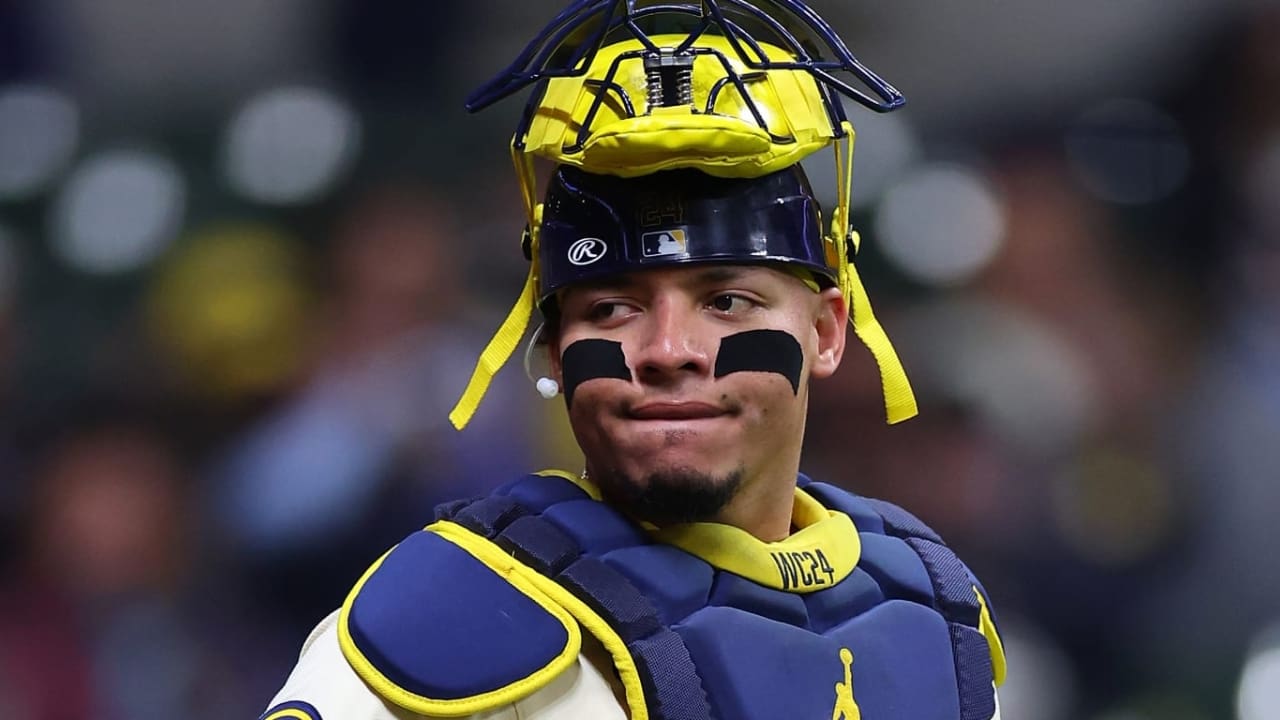
The Rooster Paradox: How Matthew McConaughey Redefined Success Through Reinvention
The Rooster Paradox: How Matthew McConaughey Redefined Success Through Reinvention
For two decades, Matthew McConaughey rode a wave of effortless charm, selling cool detachment and boyish grin to Hollywood and the world. Then, without warning, he vanished from the screens, returning years later with a gravelly voice, a weathered face, and a philosophy dubbed "The Rooster Code." This is the story of how McConaughey engineered one of the most improbable and lucrative career reboots in modern entertainment, trading the fleeting currency of fame for the enduring wealth of discipline and identity.
The transformation was so complete it seemed less like a career pivot and more like a spiritual awakening. Where he once embodied the eternal frat boy, he now stood as a wizened sage, selling everything from SUVs to motivational speeches with the same confident drawl. The financial windfall was staggering, but the real victory was the reconstruction of his public persona from a disposable heartthrob into a brand synonymous with authenticity and resilience.
In 2011, the trajectory of McConaughey’s career appeared, to the outside observer, to be hurtling off a cliff. Following a string of romantic comedies and lackluster action films, his star power had devolved into a punchline. He was typecast as the charming layabout, a performer whose appeal seemed rooted solely in his ability to wink at the camera and slide out of tight jeans. Box office receipts were shrinking, and industry whispers of a fading career were loud and persistent.
Facing the very real possibility of becoming irrelevant, McConaughey made a decision that shocked his peers and confused his fanbase: he declared a hiatus. He would not simply take a break; he would step away entirely. For several years, he refused major film roles, turning down what he later described as "nickel-plated offers" that did not align with a new vision he was cultivating. While his contemporaries continued to churn out safe, profitable fare, McConaughey vanished from the public eye, a deliberate act of professional self-erasure that few actors of his stature would dare to attempt.
This period of absence was not idle. It was a calculated investment in a new persona, one that required shedding the skin of the man the public thought they knew. He retreated to his farm in Texas, engaging in the physical labor of turning scrubland into a productive homestead. He began journaling with a fervor that bordered on obsession, filling notebooks with stream-of-consciousness thoughts that explored his beliefs, his fears, and his aspirations. It was in these pages that the foundation of "The Rooster" was laid out, a framework for living that emphasized presence, gratitude, and relentless forward motion.
The return was as theatrical as the retreat was quiet. In 2013, he emerged not with a rom-com, but with the gritty, existential crime drama *Dallas Buyers Club*. The role of Rayon, a transgender AIDS patient, was the antithesis of the slick seducer audiences remembered. He gained a significant amount of weight for the part, then lost it again, transforming his body into a prop for the performance. The film was a critical triumph, and the Academy Award he won for the role was less a trophy than a validation of his theory that risk breeds reward.
"The Rooster Code," as he outlined it in his subsequent book and speeches, is less a rigid set of rules and more a rhythmic philosophy for existence. It is built on the idea of being present in the moment while maintaining a clear vision of the future. The "Rooster" is a metaphor for the alarm clock that crows at dawn, a call to action that is both irritating and necessary. McConaughey described the philosophy in a famous commencement address at the University of Texas at Austin, stating, "I want to be challenged and be great. I want to be at the top of my game, not distracted… I’m not sitting around and wait for the opportunities to come to me. I’m out there creating the opportunities."
This shift in mindset became the engine of his commercial rebirth. Hollywood, which had written him off, began calling again, but this time, the roles were different. They were not leading men in broad comedies but complex characters in prestige projects. He narrated documentaries, lent his voice to major advertising campaigns, and took on roles that leveraged his new gravitas. The most potent symbol of his rebranding came in the form of a long-term partnership with Lincoln Motor Company.
The "Get More" campaign for Lincoln, featuring McConaughey’s distinctive voice and philosophical musings, became a cultural phenomenon. He was no longer just an actor; he was a thought leader, a lifestyle consultant. The ads, which often blurred the line between autobiography and advertisement, presented him not as a celebrity, but as a guide. He spoke about the journey, the struggle, and the joy of the process, aligning the Lincoln brand with the idea of purposeful living. The financial return was immediate and massive, establishing him as the highest-paid actor in Hollywood for several years running.
He monetized his newfound authenticity with a savvy that is rare in an industry built on image. He understood that his story of redemption was more valuable than his story of stardom. He launched a production company, Javelina, which focuses on developing projects that align with his values, further insulating his brand from the whims of trend-chasing studios. He wrote another book, *Greenlights*, which became a bestseller by framing his life experiences as a series of opportunities granted by the universe, a direct extension of the Rooster philosophy.
Perhaps the most profound aspect of McConaughey’s reinvention is how it exposed the fragility of the celebrity-industrial complex. His success demonstrated that an actor’s value is not solely determined by their ability to open a summer movie, but by their capacity to evolve. He built a moat around his fame by anchoring it in a coherent, repeatable ideology. He traded the volatility of being a "movie star" for the stability of being a "brand," and in doing so, he secured his relevance for a second act that is arguably more successful than his first.
The Rooster, it turns out, is not just a mascot; it is a masterclass in career management. It is a lesson in listening to one’s own internal noise, in pursuing the mundane work of self-improvement, and in understanding that the most valuable currency in the modern economy is not fame, but trust. McConaughey didn't just save his career; he redefined the playbook, proving that the most shocking transformation can be the most profitable one.
Related Post
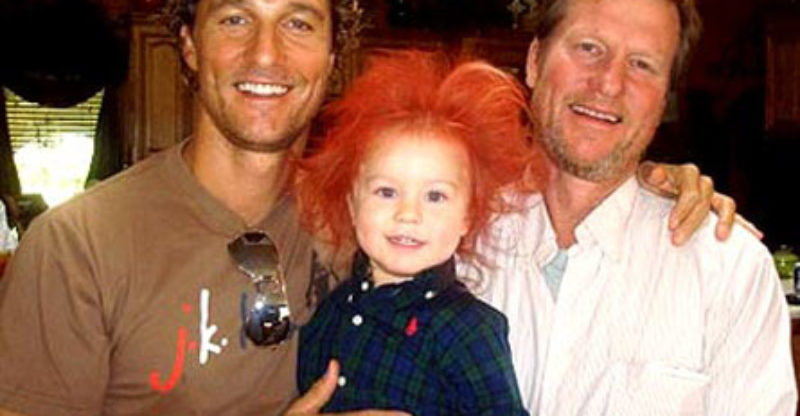
Rooster McConaughey’s Net Worth: From Texas Roads to Ballot Boards—How a Hollywood Star Built a $190M Legacy
Rooster McConaughey: Reshaping Industry Narratives withAuthenticity and Purpose

Rooster McConaughey: From Texas Roads to Global Stardom — The Unconventional Journey of a Modern Icon
Rooster McConaughey’s Net Worth: From Texas Roads to Global Recognition