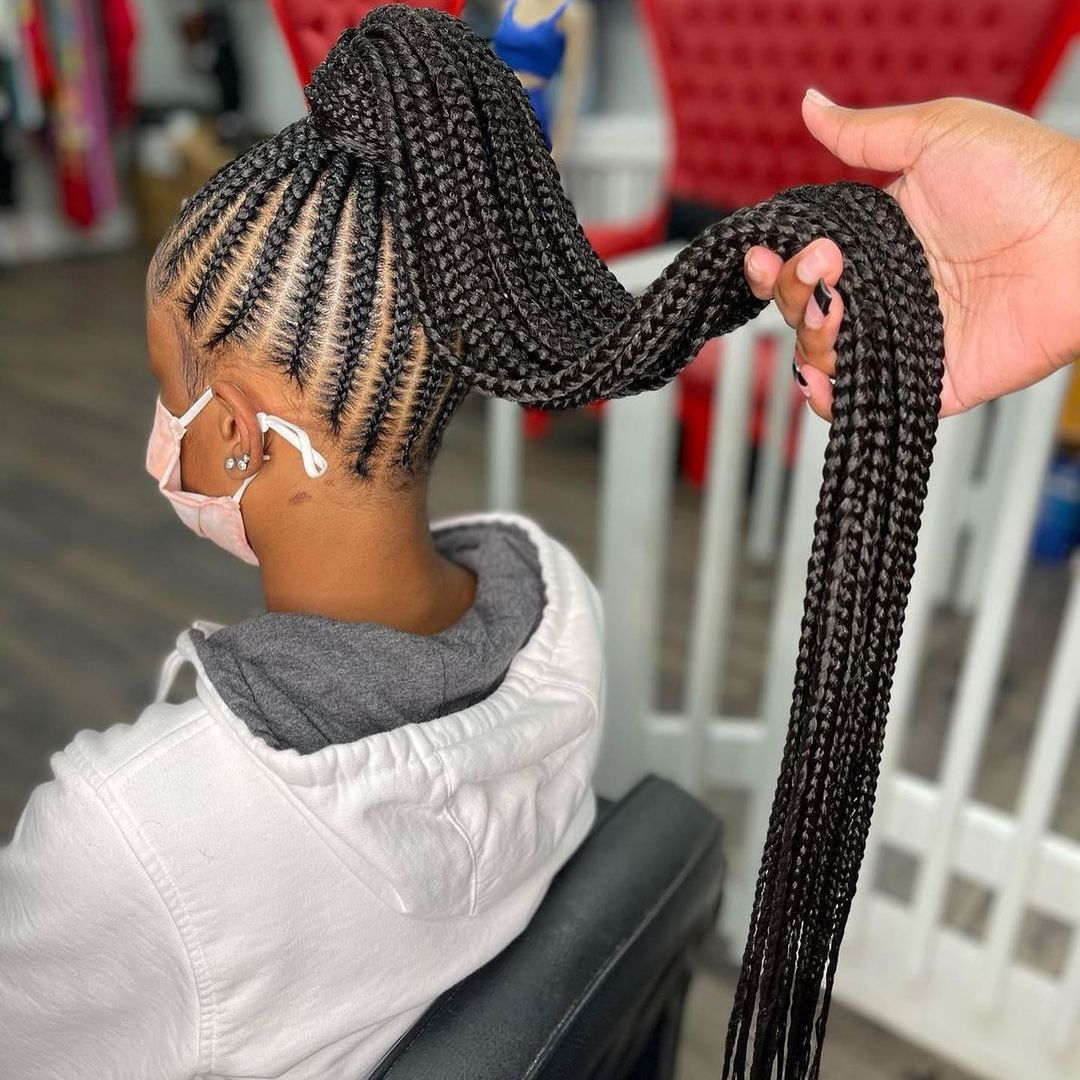
The Scalp Braid Renaissance: How Ancient Techniques Became The Cornerstone Of Modern Protective Styling
The Scalp Braid Renaissance: How Ancient Techniques Became The Cornerstone Of Modern Protective Styling
Across runways, film sets, and urban sidewalks, the intricate patterns of scalp braids have re-emerged as a dominant force in contemporary hair culture. Once relegated to purely functional or traditional roles, these tightly woven styles are now celebrated for their artistry, cultural significance, and ability to promote hair health. This article examines the technique, benefits, and evolving perception of scalp braiding as a sophisticated form of protective styling.
The practice of braiding hair is among the oldest known beauty traditions, with evidence dating back thousands of years across continents. Scalp braiding, specifically, involves weaving hair close to the scalp to create a seamless, sculpted look that can range from subtle, defined rows to elaborate, crown-like structures. Unlike loose braids that hang from the ends, these styles anchor the hair at the root, offering a secure foundation for a variety of protective updos and intricate patterns that maintain integrity through weeks of wear.
Historically, the significance of these patterns extended far beyond aesthetics. In many African cultures, specific braid patterns were used to denote a person’s age, marital status, social rank, or even clan affiliation. The tight, uniform plaits signified discipline, community, and a deep connection to ancestral heritage. Today, while the cultural roots remain deeply respected, the application has expanded into a global dialogue about beauty standards, hair texture acceptance, and the reclaiming of narrative.
The technical execution of scalp braiding demands a high level of skill and patience. The process begins with a clean, detangled base, often sectioned meticulously to ensure symmetry. The hair is then separated into small, uniform parts, and three distinct strands are taken from the scalp. Using a technique that combines underhand and overhand motions, the stylist feeds additional hair from the surrounding area into each strand as it crosses over or under the others. This continuous feeding allows the braid to lay flush against the head, creating the illusion of the hair growing directly from the scalp.
The precision required is significant. Each movement must be deliberate to avoid tension that could lead to breakage or traction alopecia, a form of hair loss caused by prolonged pulling.
Modern stylists have adapted these classic methods to suit a variety of hair types and lengths. For those with fine or fragile hair, micro-braiding offers a scaled-down version that provides the protective benefits without excessive weight. Conversely, jumbo braids, which involve larger sections of hair, offer a bold, graphic statement that can be worn for weeks with minimal maintenance. The versatility of the style is perhaps its greatest asset, serving equally as a practical solution for athletes and professionals and a canvas for artistic expression.
The benefits of choosing scalp braids as a protective style are multifaceted. Chief among them is the preservation of hair integrity. By tucking the ends away and minimizing manipulation, the braids protect the fragile terminal hairs from environmental stressors such as wind, sun, and friction from clothing. This protective environment allows natural hair to retain moisture and grow without the constant tugging associated with ponytails or heavy extensions.
Furthermore, the style promotes a low-manipulation routine, which is crucial for maintaining the health of chemically treated or heat-damaged hair.
• **Reduced Breakage:** With the ends secured and no daily combing required, the hair is shielded from the everyday friction that causes split ends.
• **Moisture Retention:** Sealed with oils or butters, the scalp braid creates a controlled environment that helps retain natural scalp oils, preventing the dryness often associated with protective styling.
• **Growth Acceleration:** By minimizing manipulation and protecting the shaft, many wearers report accelerated growth rates, as the hair is spared from the stress of constant styling.
• **Versatility:** The style transitions seamlessly from boardroom to gala, proving that protective hair does not have to sacrifice elegance.
Despite the clear advantages, the adoption of scalp braiding is not without its challenges. The most significant concern is the potential for traction alopecia if the braids are installed too tightly or left in for extended periods without maintenance. Hair professionals emphasize the importance of "breathing room" at the hairline and the removal of braids within six to eight weeks to prevent follicular damage. Additionally, the time commitment for installation can be substantial, often requiring several hours depending on the complexity and density of the style.
The resurgence of scalp braids has also sparked important conversations about cultural appropriation versus appreciation. As the style gains popularity in mainstream fashion, some argue that the originators of the craft are not always given proper credit or compensation. Industry leaders are increasingly calling for a conscious approach to wearing these styles, urging individuals to understand the history and lineage of the craft rather than treating it as a fleeting trend.
In the professional sphere, the perception of braids has shifted dramatically. Once scrutinized in corporate environments, intricate braided styles are now frequently seen as a reflection of cultural competence and creative confidence. In fields ranging from entertainment to law, individuals are choosing to wear their hair in styles that honor their identity while meeting the demands of their profession. This evolution signifies a broader societal move toward inclusivity and the acceptance of diverse expressions of professionalism.
The science behind the styling also contributes to its appeal. The tension created during the braiding process stimulates blood flow to the scalp, which can encourage follicular activity. When performed correctly, the style provides a gentle, constant massage that complements a healthy hair regimen. Stylists often recommend incorporating lightweight oils such as jojoba or argan into the braiding hair to provide slip during installation and to nourish the scalp throughout the wear period.
Ultimately, the scalp braid stands as a testament to the intersection of culture, craft, and utility. It is a style that has weathered centuries, adapting to the needs of each generation while retaining its core essence. For the modern individual, it offers a unique opportunity to engage with a rich historical tradition while enjoying the practical benefits of low-maintenance, high-impact hairstyling. As the craft continues to evolve, it remains a powerful symbol of resilience and beauty, woven strand by strand at the very roots of the wearer.
Related Post

Mastering the Art of Scalp Braids: A Deep Dive into Timeless Styles and Cultural Legacy

Scalp Braids: The Ultimate Guide to Stylish and Protective Hairstyles That Transform Your Look

Scalp Braids Designs: Where Tradition Meets Creative Modern Splendor

Scalp Braids Designs: Elevate Your Look with Artistry and Cultural Flair