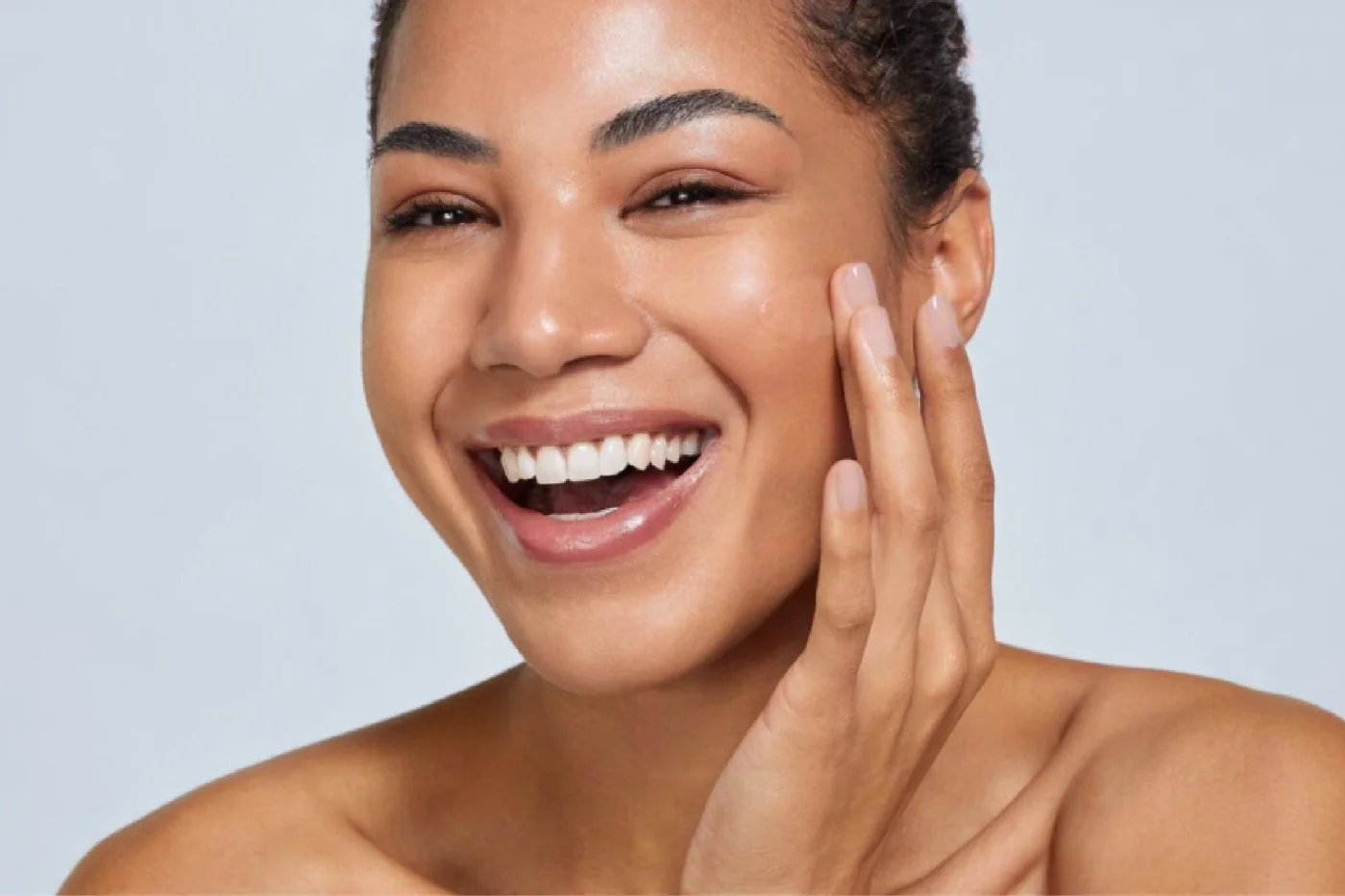
The Science of Olive Skin: Unlocking the Secrets of a Coveted Global Complexion
The Science of Olive Skin: Unlocking the Secrets of a Coveted Global Complexion
Olive skin, a distinctive and highly coveted complexion often found across the Mediterranean, Southern Europe, and parts of Asia and Latin America, represents a unique category in the world of dermatology and cosmetics. Defined by its greenish or golden undertones and medium density of melanin, it occupies a nuanced space between lighter and deeper skin tones. This article explores the biological foundations of olive skin, outlines specific characteristics for identification, and provides professional strategies for care, while simultaneously examining the cultural implications and challenges associated with maintaining this specific type.
Olive skin is primarily classified through the Fitzpatrick phototype scale, a standard dermatological classification system developed in 1975 to assess skin response to ultraviolet (UV) light. This type is generally identified as Type III, IV, or V, meaning the skin tans easily and may rarely, or never, burn in the sun. It possesses a moderate concentration of melanin—the pigment responsible for color—produced by melanocytes situated in the basal layer of the epidermis. This melanin is predominantly pheomelanin, which contains a reddish-yellow pigment, contributing to the characteristic golden or greenish undertone that sets olive skin apart from neutral or pink undertones found in other types.
Identifying olive skin involves observing specific visual cues beyond simply a tan. The undertone is the most critical factor in determining whether a skin is truly olive. Unlike neutral or pink undertones, olive skin has an ashen, green, or yellow base. A simple at-home test involves examining the skin in natural light; if silver jewelry complements the complexion better than gold, and if the skin appears more beige or tan than pink or rosy, olive is likely the correct classification. Common features include a smooth surface texture, a propensity to tan rather than burn when exposed to the sun, and a natural resilience that often masks minor fluctuations in texture or redness. Foundation shades for this skin type typically fall within the beige, tan, and golden ranges, often with warm or neutral modifiers.
The biological resilience of olive skin offers distinct advantages, particularly concerning aging and hyperpigmentation. The increased melanin content provides a natural photoprotective factor, acting as a built-in shield against photoaging caused by UV radiation. This inherent protection often results in slower visible signs of aging, such as wrinkles and sun spots, compared to lighter skin types. However, this resilience is not without its challenges. The same melanin concentration that prevents burning can also lead to post-inflammatory hyperpigmentation (PIH), where the skin overproduces pigment in response to inflammation or injury. Acne scars, bug bites, or even aggressive skin treatments can leave dark spots that linger for months if not managed correctly.
Caring for olive skin requires a tailored approach that balances hydration, protection, and targeted treatment to address specific concerns like PIH. A consistent skincare routine should prioritize gentle cleansing, adequate moisturization, and daily broad-spectrum sunscreen with a minimum SPF of 30. Due to the tendency towards oiliness in some olive skin types, products should be non-comedogenic to prevent clogged pores. When addressing hyperpigmentation, ingredients such as vitamin C, niacinamide, azelaic acid, and retinoids can be effective; however, they must be introduced gradually to avoid triggering inflammation and subsequent darkening. Professional treatments like chemical peels or laser therapies should be administered cautiously, as the skin’s reactivity can lead to unexpected results if not properly assessed.
The perception and cultural value of olive skin have evolved significantly across history and geography. In many Western contexts, olive skin has long been associated with health, vitality, and an exotic Mediterranean allure, a ideal frequently depicted in art and fashion. This has fueled a massive global industry for sunless tanning products, bronzers, and self-tanning formulations designed to mimic this specific hue without UV exposure. Conversely, historical preferences have not always been uniform; in some eras and cultures, fairer skin was once a marker of nobility and leisure, indicating a life indoors away from the sun. Today, the global beauty market reflects a complex duality, where both the pursuit of a tan and the drive for skin brightening coexist, highlighting the ongoing negotiation between embracing natural color and addressing cosmetic concerns.
The global understanding of olive skin has also been shaped by the limitations of older classification systems. The Fitzpatrick scale, while widely used, does not fully capture the vast diversity within olive skin tones, particularly deeper olive complexions. This has led to discussions within the dermatological community about the need for more inclusive research and product development. Representation in clinical trials and cosmetic marketing remains a work in progress. As dermatologist Dr. Shasa Hu noted in a discussion on skin diversity, “We need to move beyond a one-size-fits-all approach and recognize that skin types exist on a spectrum, with unique needs that are often overlooked in standard product formulations and medical guidelines.” This push for greater inclusivity aims to ensure that individuals with olive and deeper skin tones receive the same level of effective care and access to treatments as those with lighter complexions.
Ultimately, olive skin is a dynamic and complex phenotype that requires specific knowledge and care. Understanding its biological basis, from the type of melanin present to its natural photoprotective abilities, empowers individuals to make informed decisions about their skincare. By focusing on gentle, preventative measures and targeted treatments for issues like hyperpigmentation, the unique strengths of olive skin can be enhanced while its vulnerabilities are managed. As the conversation around skin diversity continues to evolve, the appreciation for the distinct beauty and needs of olive complexions will only grow, moving beyond trends to a more comprehensive and scientifically informed approach to dermatological health for all.
Related Post

Understanding And Embracing Olive Skin: A Comprehensive Guide to This Timeless Tone