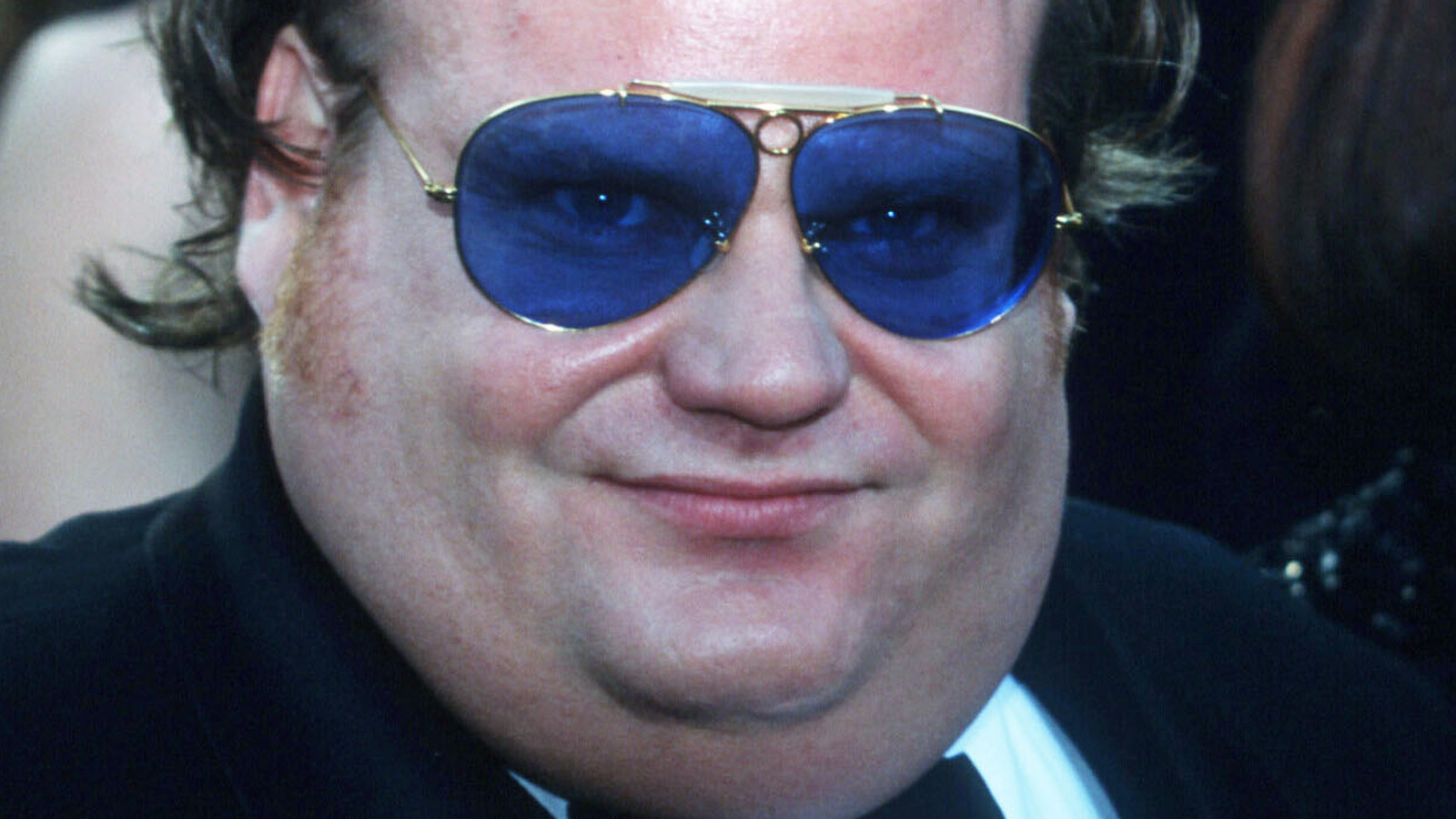
The Sharp Divide: Decoding the Long-at-Front, Short-at-Back Hairstyle
The Sharp Divide: Decoding the Long-at-Front, Short-at-Back Hairstyle
The contrast of long hair swept forward over the forehead with a sharply defined back and sides has become a ubiquitous signature in modern grooming. Known as the long-at-front, short-at-back style, it merges a classic concept of separation with contemporary texture and shape. This article examines the structure, historical context, and cultural adoption of this precise haircut, explaining why it remains a steadfast choice for those seeking clear definition and stylised versatility.
At its core, the style is defined by a deliberate division between length, creating a visual and tactile contrast that frames the face. The substantial weight of hair across the forehead and top is balanced by the clean, close-cropped architecture of the back and sides. This combination allows for a polished, tapered appearance that suits a wide range of face shapes, provided the transition between lengths is executed with precision.
The Architecture of the Cut
Achieving the long-at-front, short-at-back look is not a simple matter of trimming; it is a technical process that relies on layering, graduation, and meticulous blending. The objective is not to create a harsh block of hair, but a seamless transition that respects the natural fall and flow of the hair.
The execution typically follows a structured approach:
- Assessment of natural growth patterns: Hair tends to grow in different directions and thicknesses across the scalp. A professional barber will examine cowlicks, whorls, and natural part lines to determine how to direct the length for optimal control and style.
- Establishment of a strong perimeter: The short back and sides are clipped first using a series of progressively longer guard sizes or, often, freehand with clippers to create a sharp line. This perimeter defines the shape of the head and serves as the foundation for the entire style.
- Layering and graduation: The top and front sections are left significantly longer and are layered to remove bulk while maintaining density. The length is graduated, meaning it is cut longer at the front hairline and subtly shortened towards the crown, creating a smooth, descending slope of hair.
- Blending the divide: This is the most critical step. The point where the long top meets the short back is the focal line. Barbers use shears, clippers with no guard (the "zero" or "number one" technique), or razor work to soften this transition, ensuring there is no obvious ledge or demarcation line.
- Texturising and finishing: To prevent the long front from becoming a heavy, unmanageable curtain, point cutting or thinning shears are often employed. This creates movement and allows the hair to fall naturally, whether styled upwards, swept to the side, or deliberately across the forehead.
The precision of the style means that maintenance is non-negotiable. Because the contrast is so stark, regrowth becomes noticeable quickly. Most individuals find that a return to the barber every three to four weeks is necessary to preserve the sharp lines and clean ratios that define the look.
Historical Roots and Modern Evolution
While the specific term "long at front, short at back" is a modern descriptor, the concept of varying hair length across the scalp has deep historical roots. The undercut, a style where the top is long and the sides are clipped short, is a direct predecessor. However, the modern version has evolved significantly from its mid-20th-century origins.
In the post-war era and through the 1950s, the undercut was often associated with specific subcultures and working-class practicality, where longer hair on top provided warmth and the sides were kept short for ease of maintenance with limited resources. The style was functional and economical.
The contemporary resurgence and refinement of this contrast are largely tied to the early 2010s and the broader trends in men’s grooming. As skincare routines, beard care, and detailed hairstyling became mainstream, men began to treat their hair as a canvas for precise design. The long-at-front, short-at-back style offered the perfect compromise: a bold, statement-making silhouette with the flexibility of a versatile top.
Industry professionals note the shift from simple, uniform cuts to more nuanced shapes. "We are seeing a demand for geometry in hair," says Marcus Bell, a senior stylist at a prominent urban barbershop. "Clients no longer want just 'short on the sides.' They want to understand the angle, the fade, the connection point. The long top allows for texture—waves, curls, volume—while the tight back and sides provide an anchor. It’s a marriage of texture and structure."
This evolution is also reflected in the tools and techniques used. Traditional clipper guards are often replaced by more nuanced tapering techniques with clippers, and the rise of the "scissor over comb" method on the top allows for a softer, more blended transition than ever before.
Cultural Adoption and Variations
The appeal of the long-at-front, short-at-back style lies in its adaptability. It has been adopted across different demographics and professions, demonstrating a remarkable range from the strictly corporate to the artistically expressive.
In its most conservative form, the style is presented with a side part, the top neatly brushed back or to the side, and the hair at the front kept tidy but not overly long. In this context, it projects professionalism and modern polish, making it a common sight in finance, law, and business sectors.
Conversely, the style has been a cornerstone of streetwear and urban fashion. When paired with a disconnected fade—where the transition between lengths is extremely sharp, often dropping down to skin on the sides—the look becomes much more dramatic. The long hair at the front is then styled with generous amounts of product, such as pomade or wax, into waves, spikes, or sleek, brushed-back silhouettes. This version is frequently seen in the worlds of hip-hop, skateboarding, and fashion, where the contrast is a key element of personal identity and aesthetic.
Celebrities and athletes have also played a significant role in normalising the style. Its presence on high-profile figures has moved it from the realm of subculture to that of mainstream, aspirational grooming. The visual impact of the long top providing a frame for the face, combined with the confident, exposed lines of the back and sides, creates a powerful and memorable profile.
Considerations and Challenges
Despite its popularity, the style is not without its challenges. The primary consideration is hair type. Fine or thin hair may struggle to provide the necessary volume and weight to support the long front without appearing limp or lacking density. In these cases, the top needs to be kept shorter to maintain body, or specific styling products are required to create the illusion of fullness.
Curly or coily hair textures present their own set of considerations. The natural shrinkage of curls can drastically alter the perceived length at the back and sides, while the top may have significant volume. This requires a barber with specific experience in textured hair to ensure the proportions remain balanced. A curly top with a faded back can be incredibly dynamic, but it requires expert cutting to prevent the top from becoming a tangled mass.
Maintenance is also a commitment. The visual appeal of the style is directly linked to its precision. Without regular trims, the balance is lost, and the sharp contrast that defines the look softens into an undefined mass. Individuals must be willing to invest time and resources into upkeep to achieve the desired effect consistently.
Ultimately, the long-at-front, short-at-back hairstyle is far more than a passing trend. It is a sophisticated technical cut that delivers a high-impact aesthetic. By understanding its construction, respecting its need for maintenance, and choosing the right variation for one’s own features and lifestyle, it becomes a powerful tool for personal expression in the modern world.
Related Post

India’s Unsung Heroines: The Brave Women Who Redefined Valor and Change
Meet Imani Jasmine: The 20-Year-Old Daug Who Redefines Youth, Resilience, and Legacy

The Groundbreaking Power of “King From Queens”: Redefining Female Sovereignty on Screen

Paul Anka How Old — Unraveling the Age of the Iconic Songwriter and Performer