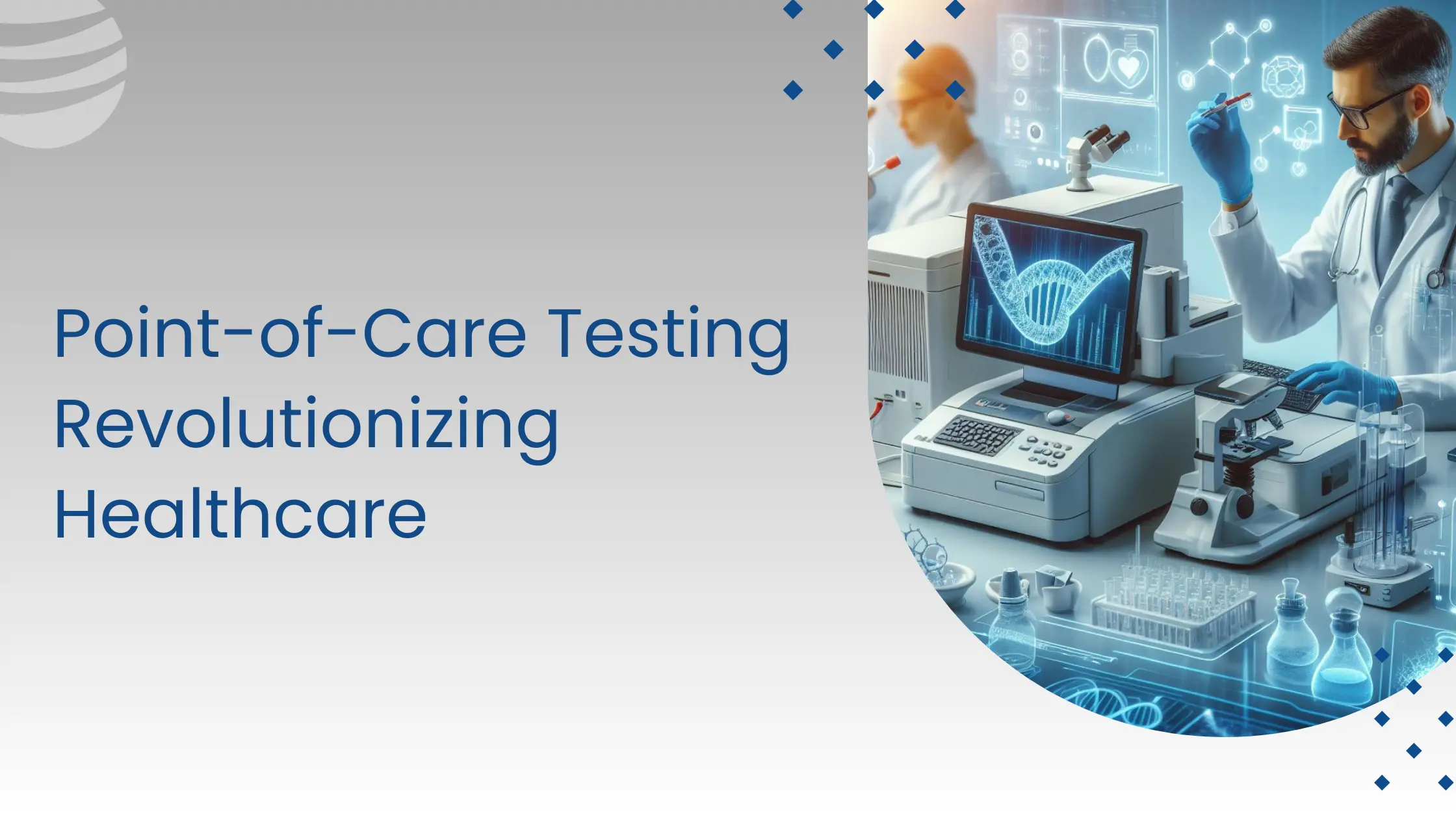
The Silent Diagnostic Revolution: How Point Of Care Testing Empowers The Modern CNA
The Silent Diagnostic Revolution: How Point Of Care Testing Empowers The Modern CNA
In the fast-paced ecosystem of modern healthcare, where timely decisions can mean the difference between stability and crisis, the role of the Certified Nursing Assistant (CNA) is evolving far beyond traditional patient support. The integration of Point of Care Testing (POCT) is transforming these professionals into immediate diagnostic allies, bringing critical analysis from the laboratory directly to the patient’s side. This shift allows for rapid intervention, reduces the anxiety of waiting for results, and fundamentally alters the dynamics of patient monitoring in hospitals and long-term care facilities.
For decades, obtaining vital diagnostic information involved a logistical chain: a nurse would draw blood, label a specimen, and transport it to a central lab, where technicians processed the sample and results were transmitted back hours later. For the CNA, this meant performing a task without seeing its ultimate diagnostic purpose. The advent of sophisticated portable analyzers has changed this narrative. Now, a CNA can conduct a blood glucose check, perform a rapid coagulation test, or analyze a urine sample in minutes, providing instant data that guides the next steps in patient care. This article explores how Point of Care Testing is empowering the modern CNA, the technologies driving this change, and the profound impact on patient outcomes and workflow efficiency.
The integration of POCT into the daily workflow of a CNA represents a significant paradigm shift. It moves the assistant from a purely supportive role to an active participant in the diagnostic process. This transition requires a new skill set, combining technical proficiency with a deep understanding of the clinical implications of the results they generate.
The impact of this technology is perhaps most visible in the management of chronic conditions and acute care settings.
1. **Diabetes Management:** The cornerstone of POCT for the CNA remains blood glucose monitoring. Armed with a portable glucometer, a CNA can perform frequent checks to ensure a patient's blood sugar remains within a target range. This is critical for patients with diabetes and for those experiencing stress-related hyperglycemia in the hospital. Immediate results allow for timely adjustments in diet or medication administration, preventing dangerous highs and lows.
2. **Coagulation Monitoring:** For patients on anticoagulant therapy, such as those with atrial fibrillation or those who have undergone cardiac stent placement, monitoring is vital. POCT devices allow CNAs to perform INR (International Normalized Ratio) tests at the bedside. This ensures that the patient's blood is clotting at the correct rate, preventing the risk of stroke from under-anticoagulation or dangerous bleeding from over-anticoagulation.
3. **Infection and Inflammation:** Testing for markers like C-reactive protein (CRP) and procalcitonin at the point of care can provide early indicators of bacterial infection. A CNA can collect a small blood sample, and within minutes, the care team can receive crucial information to guide antibiotic therapy, potentially catching a sepsis onset early.
4. **Cardiac Care:** The use of cardiac-specific troponin tests in the emergency department and critical care units has revolutionized the diagnosis of heart attacks. CNAs can draw a small blood sample and obtain results in 20-30 minutes, significantly faster than traditional lab turnaround times. This rapid assessment is crucial for initiating life-saving interventions like thrombolytics or angioplasty as quickly as possible.
The benefits of integrating POCT into the CNA's toolkit are multifaceted, touching on clinical, operational, and human aspects of care.
* **Accelerated Clinical Decision-Making:** The most significant advantage is speed. Results in minutes rather than hours enable clinicians to make timely interventions. If a patient’s potassium level is critically low, immediate supplementation can be started. If a diabetic patient’s blood sugar is plummeting, rapid administration of glucose can prevent a life-threatening event.
* **Enhanced Patient Flow and Resource Optimization:** By processing certain tests at the bedside, the burden on the central laboratory is reduced. This frees up lab resources for more complex analyses and reduces the "turnaround time" bottleneck that can delay diagnoses across the entire facility. Patients are not waiting for results that can be generated in their room.
* **Improved Patient Satisfaction and Reduced Anxiety:** For the patient, waiting for test results can be an exercise in uncertainty and worry. POCT provides answers swiftly. Explaining a procedure and receiving results within the same interaction builds trust and reduces the stress associated with the unknown. A patient can understand their condition and the steps being taken to address it in real-time.
* **Increased CNA Engagement and Skill Development:** POCT empowers CNAs by giving them a deeper understanding of the clinical picture. They are no longer just collecting samples; they are contributing to the diagnostic puzzle. This increased responsibility can lead to greater job satisfaction, enhanced professional development, and a more engaged workforce.
Despite the clear advantages, the successful implementation of POCT for CNAs is not without its challenges. It demands a rigorous approach to quality control and competency.
* **Ensuring Quality and Compliance:** The accuracy of POCT results is paramount. Unlike a central lab with rigorous protocols, point-of-care testing requires strict adherence to quality assurance programs. This includes regular calibration of devices, the use of correct control materials, and meticulous documentation. Regulatory bodies like the Clinical Laboratory Improvement Amendments (CLIA) in the United States have specific requirements for personnel performing these tests, mandating proper training and competency verification.
* **The Critical Role of Training:** The device is only as good as the person using it. Comprehensive training programs are essential. CNAs must be instructed not only on how to operate the equipment but also on proper sample collection, potential pitfalls, quality control checks, and the clinical significance of the results they generate. A misread strip or a contaminated sample can lead to erroneous results and inappropriate care.
* **Workflow Integration:** Introducing POCT must be done thoughtfully to avoid workflow disruption. Facilities must ensure that the logistical aspects—supply chain management for test strips and controls, device maintenance, and result documentation—are seamlessly integrated into the existing care structure.
Looking ahead, the future of POCT for CNAs is likely to be characterized by increased sophistication and connectivity. Devices are becoming smaller, more user-friendly, and capable of running multiple analyses from a single drop of blood. The integration of these devices with electronic health records (EHRs) will allow for instantaneous documentation, reducing administrative burden and creating a real-time data trail for clinicians. Furthermore, the development of "lab-on-a-chip" technologies and non-invasive sampling methods (such as measuring glucose through the skin or analyzing sweat) promises to further expand the capabilities of the point-of-care CNA.
The transformation of the CNA role through Point of Care Testing is a powerful example of how technology can enhance human capability. It is a partnership between technology and the caregiver, where the CNA’s eyes, hands, and growing diagnostic acumen are amplified by sophisticated tools. This evolution ultimately serves a singular, critical purpose: to deliver faster, more precise, and more compassionate care to the patient at the very moment it is needed most.
Related Post
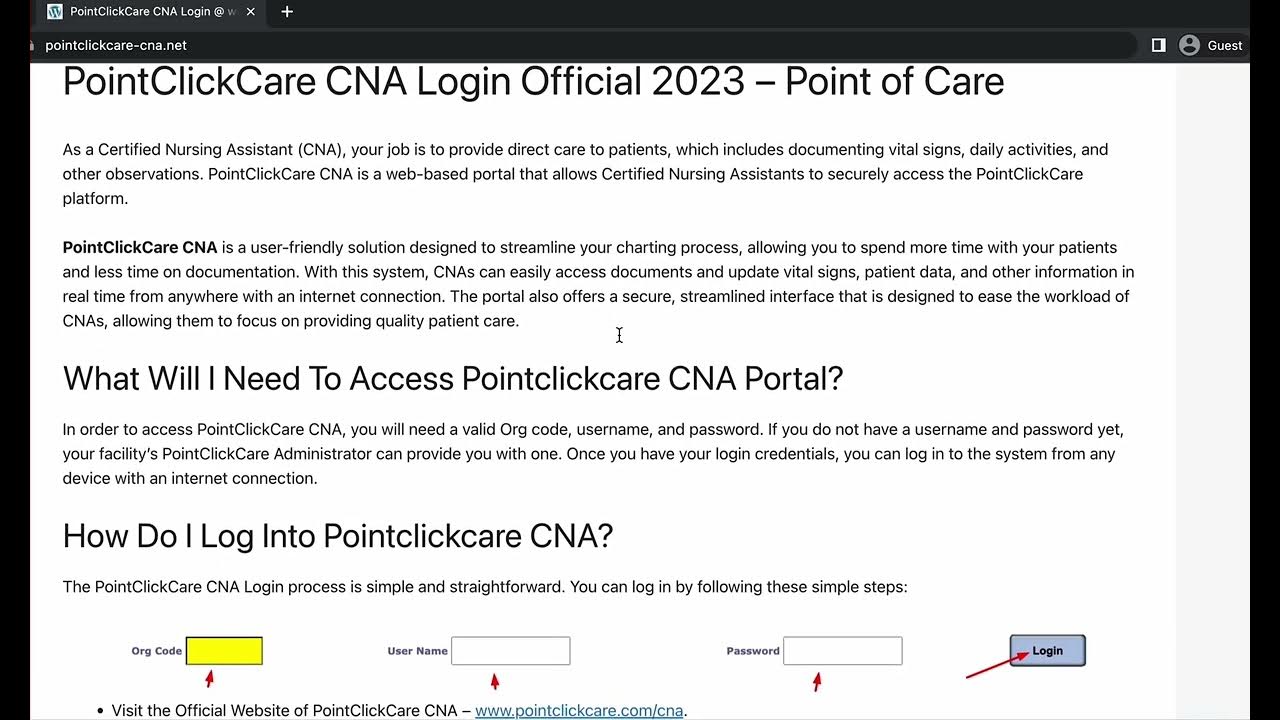
Pointclickcare Point Of Care Cna: Transforming Clinical Workflows And Patient Documentation
Point of Care CNA: The Vital Frontline in Modern Healthcare