The Spetsnaz Enigma: Russia's Most Feared Special Forces and the Truth Behind the Myths
The Spetsnaz Enigma: Russia's Most Feared Special Forces and the Truth Behind the Myths
The Russian Spetsnaz represents the tip of the spear in modern special operations, a designation that conjures images of shadowy operatives and deniable missions. Officially established in the Soviet era to protect high-ranking officials and conduct strategic sabotage, these units have evolved into a multi-faceted tool of state power. This investigation separates the Hollywood fiction from the documented reality, tracing their operational history from Cold War tensions to contemporary hybrid warfare.
The term Spetsnaz, derived from the Russian "специального назначения" (spetsial'nogo naznacheniya), meaning "special purpose," refers to a variety of Russian special forces units. Unlike their Western counterparts, which are typically small groups focused on direct action, the Russian Spetsnaz encompasses a broader spectrum, including strategic military intelligence units (GRU Spetsnaz) and internal security forces (like those under the FSB). While the exact structure remains opaque, their impact on global military strategy is undeniable.
The origins of the modern Spetsnaz are rooted in the desperate needs of World War II. Facing a conventional German army that often outnumbered and outgunned them, the Soviets turned to unconventional tactics. Units were formed for reconnaissance, sabotage, and assassination behind enemy lines, disrupting supply lines and command structures. This legacy of effectiveness, born from necessity, laid the foundation for a permanent special operations capability.
The Cold War Crucible: Birth of a Legend
The post-war period solidified the need for highly trained, politically reliable units. In the 1940s and 1950s, the Soviet military began formalizing these ad-hoc groups into dedicated formations. The driving force behind this creation was the constant fear of a conventional war turning nuclear. The idea was to create forces that could conduct limited strikes deep behind NATO lines, targeting command bunkers, nuclear artillery positions, and communication hubs in the opening moments of a conflict. Their mission was simple and terrifying: to paralyze the enemy before the main armored spearhead even crossed the border.
These early operators were selected from the toughest conscripts and subjected to hellish training regimes. Often lasting more than a year, the training emphasized extreme physical endurance, weapons handling, and combat engineering. Survival in harsh environments, from the frozen Arctic tundra to the dense forests of Eastern Europe, was a core component. The goal was to create not just soldiers, but individual warriors capable of surviving and operating alone for extended periods. As former Spetsnaz instructor Lieutenant Colonel Viktor Suvorov noted in his writings on Soviet military doctrine, the emphasis was on creating "a new type of man, unburdened by liberal Western concepts of human rights and legal constraints."
Their structure was designed for maximum flexibility and deniability. A typical Spetsnaz brigade or battalion was a self-contained force. It included its own reconnaissance platoons, direct action squads, support personnel for demolitions and communications, and often attached medical staff. This autonomy allowed them to operate far from base for weeks or even months. Their equipment was a mix of standard Soviet arms and specialized, often silent, weaponry. The iconic APS underwater rifle and the S4M silent pistol are examples of this focus on secrecy and versatility.
Evolution and Modernization: The Post-Soviet Era
The collapse of the Soviet Union in 1991 presented a significant challenge for the Spetsnaz. Funding cuts and political chaos led to a period of decay for many units. Some formations were disbanded, while others were absorbed into the new Russian military structure or even sold to the highest bidder as mercenaries. The chaos of the First and Second Chechen Wars served as a brutal testing ground, revealing both the enduring value and the limitations of these forces in asymmetric warfare.
The modern era, particularly since the 2008 conflict with Georgia and the annexation of Crimea in 2014, has seen a dramatic resurgence. The Spetsnaz has been a central tool in Russia's new doctrine of "hybrid warfare," which blends conventional military action with cyber attacks, disinformation campaigns, and the use of unmarked forces. The seizure of Crimea is the prime example. Masked soldiers, widely believed to be Russian Spetsnaz operatives from the GRU, captured key infrastructure with minimal bloodshed, creating a fait accompli that confused the international community.
Their role in the Syrian civil war further demonstrated their evolution. Rather than operating in large formations, smaller groups were deployed to advise and lead Syrian Arab Army forces, testing new tactics and integrating advanced Russian weaponry in a real combat environment. This experience was then brought back to Ukraine, informing the initial invasion strategy in 2022. Reports indicated that Spetsnaz units were tasked with seizing the Ukrainian capital, Kyiv, and decapitating the government, a classic special operations mission with strategic political goals.
Structure and Strategy: How They Operate
Understanding the Spetsnaz requires looking at its multi-layered structure. The Russian special forces ecosystem is complex, but the primary actors can be broadly categorized.
The GRU (military intelligence) maintains its own Spetsnaz brigades and battalions, which are the most famous. These are large, brigade-sized formations designed for strategic missions deep behind enemy lines. Their tasks include reconnaissance, sabotage, and counter-terrorism.
The Ministry of Internal Affairs (MVD) controls units like Vympel and Alpha Group. These are primarily tactical units focused on counter-terrorism, high-risk arrests, and protecting critical state infrastructure. Alpha Group's storming of a Moscow theater in 2002 and its involvement in the Beslan school siege are grim examples of their operational capabilities.
Finally, the FSB Border Service controls its own coastal and border Spetsnaz units, responsible for protecting Russia's vast frontiers and conducting maritime special operations.
Their operational strategy has shifted over time. In the Cold War, the focus was on large-scale sabotage and attrition. Today, the emphasis is on precision and information warfare. A modern Spetsnaz operation is rarely a standalone event. It is a component of a larger campaign, designed to create confusion, paralyze decision-making, and soften up the enemy before the main force arrives. They are the enablers of hybrid conflict, operating in the shadows to achieve effects that are often attributed to plausibly deniable actors.
The Human Element: Selection and Training
The myth of the Spetsnaz warrior is grounded in a reality of extreme selection and training. While the specifics are secret, former personnel and military experts describe a process that weeds out the vast majority of candidates.
Selection is not just about physical prowess, but also about psychological resilience. Candidates are pushed to the brink of exhaustion and starvation, tested in isolation, and subjected to intense pressure to see how they react under stress. The goal is to find individuals who can remain calm and effective when everything is falling apart.
Once selected, training is relentless. It encompasses:
Advanced weapons handling, including mastery of foreign equipment.
Combat diving and underwater demolition.
Sniper and counter-sniper tactics.
Unarmed combat and knife fighting.
Demolitions and explosives engineering.
Advanced field medicine.
Survival in extreme climates, from the Arctic to the desert.
Land navigation and reconnaissance.
Linguistic and cultural training for foreign deployments.
This training creates a unit of individuals who are not just fighters, but survivalists, engineers, and intelligence gatherers rolled into one. They are the instrument of choice for a government that needs a deniable, highly effective force to achieve its strategic objectives.
Related Post
Unveiling Russian Spetsnaz Training A Rare Look
Unleashing the Fury of Spetsnaz: The Most Elite Commando Training in the World
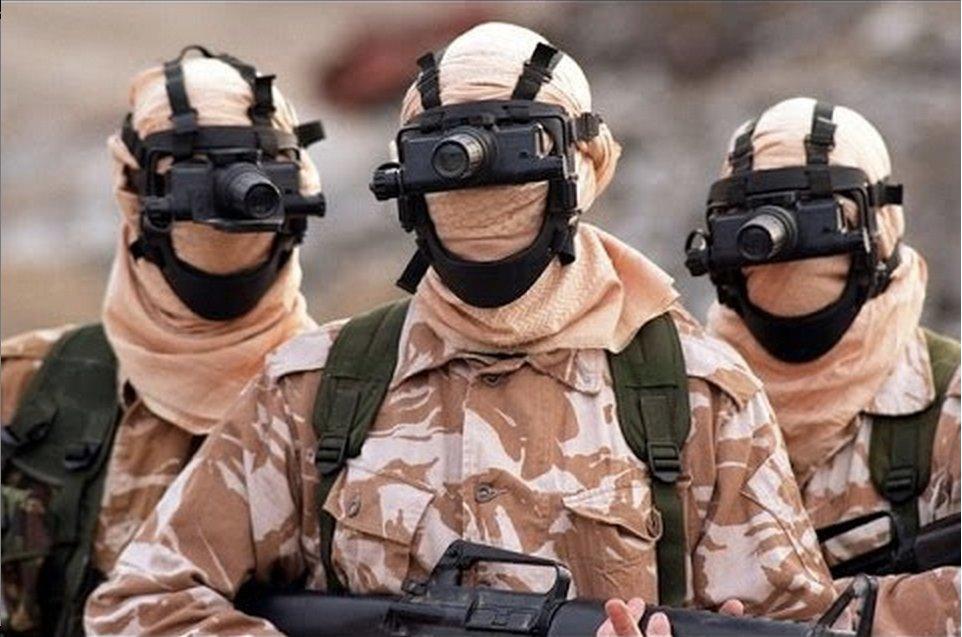
Spetsnaz: Russia’s Secret Arm — Unveiling the World’s Most Elite Special Forces
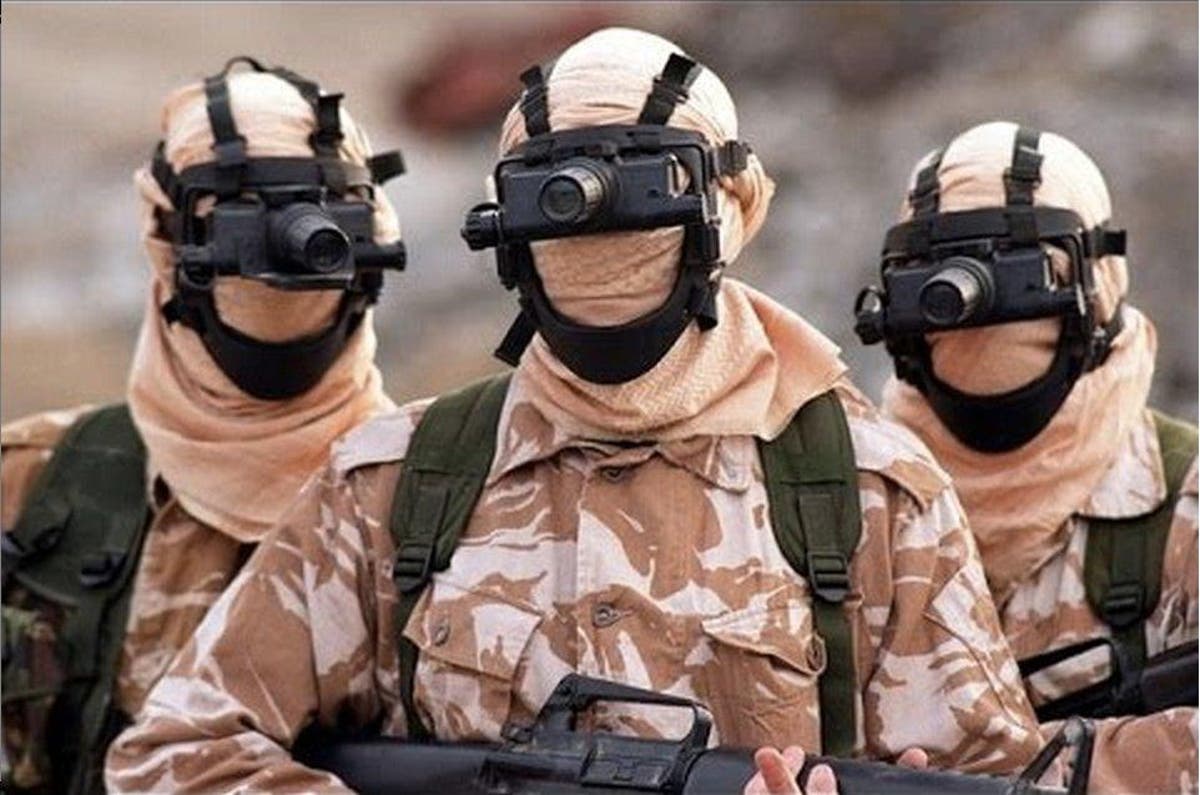
Spetsnaz: Russia’s Secret Arm — The World’s Most Elite Special Forces


