The Teflon Don: How Donald Trump Escaped Accountability and Rewrote the Rules of Power
The Teflon Don: How Donald Trump Escaped Accountability and Rewrote the Rules of Power
Throughout his career in business and politics, Donald Trump has cultivated an image of invincibility, surviving scandals, lawsuits, and market crashes while accumulating wealth and influence. Known as the "Teflon Don," he has repeatedly avoided the consequences that typically ensnare other public figures, owing to a blend of media manipulation, legal maneuvering, and a fervent base. This article examines how Trump earned and leveraged that moniker, the tactics behind his resilience, and the lasting impact on American politics, policy, and legal norms.
The nickname "Teflon Don" did not emerge from Trump himself but from popular culture, drawing a parallel to the nonstick coating that causes everything to slide off. In the 1980s, it was applied to a fictional Mafia boss in the film "The Godfather Part III," and later to Trump by a journalist who observed his ability to withstand criticism. Trump has leaned into this image, presenting himself as larger than any adversity, a beleaguered titan battling a corrupt system on behalf of his supporters.
Media strategy has been central to Trump’s Teflon resilience. He mastered the art of distraction, pivoting aggressively whenever a scandal threatened to stick, flooding the zone with new headlines that shifted public attention. His prolific use of social media, particularly Twitter, allowed him to communicate directly with supporters, bypassing traditional gatekeepers and shaping narratives in real time. When confronted with damaging revelations, he often responded with counterattacks, character assassinations, or unsubstantiated claims, complicating the media environment and muddying the waters.
Trump's legal background also contributed to his ability to evade accountability. Throughout his career, he has utilized settlements, nondisclosure agreements, and aggressive litigation to silence accusers and obscure details. In some instances, financial penalties have been treated as a cost of doing business, a calculation that his inner circle has referred to as the "cost of doing business" mentality. As one former Trump Organization executive noted, Trump viewed legal setbacks not as moral failures but as strategic challenges to be managed and minimized.
In the realm of politics, this approach translated into a campaign and governance style that normalized the extraordinary and rendered the predictable ineffective. Scandals that would have ended other presidencies—ranging from campaign interference allegations to impeachment proceedings—became background noise in a 24-hour news cycle that thrived on conflict. His supporters often interpreted these events as evidence of a "witch hunt," reinforcing loyalty and insulating him from the political fallout.
The business world also reflects on his ability to escape consequences. Several of his companies have declared bankruptcy, yet he retained control and continued to leverage his brand. Creditors and partners absorbed losses, calculating that the long-term value of the Trump name outweighed the setbacks. In boardrooms and court filings, the pattern has been consistent: while entities failed, Trump himself persisted, shedding obligations while maintaining his public profile and influence.
- Media dominance: consistent control of headlines through provocation and volume.
- Legal tactics: extensive use of settlements and NDAs to contain liability.
- Partisan loyalty: a base that interprets attacks as confirmation of victimhood.
- Brand durability: the Trump name retained value even amid corporate failures.
Institutional responses to Trump have often been fragmented and reactive. Regulators, prosecutors, and legislators have struggled to keep pace with his maneuvers, leading to inconsistent enforcement and perceived gaps in accountability. Special counsels and congressional committees have produced reports and charges, yet translating these findings into tangible consequences has proven difficult. This gap between wrongdoing and result has reinforced the perception that rules apply differently to those with power and resources.
The cultural ramifications extend beyond Trump himself, reshaping expectations for political conduct. Future leaders may study his playbook, recognizing that scandal management can be as important as policy substance. Supporters have learned to interpret controversy not as a liability but as proof of authenticity, further entrenching divisions. The Teflon legacy, in this sense, is not merely about one man's survival but about a shift in how power is perceived and exercised in the media age.
Looking ahead, the durability of the Teflon Don image will depend on evolving legal outcomes and political dynamics. Ongoing investigations and trials test whether the patterns of avoidance can continue in a more structured judicial context. If consequences do materialize in the form of fines, restrictions, or disqualifications, the narrative may lose some of its potency. However, if he continues to navigate the system with limited personal cost, the myth of the Teflon Don will only strengthen, influencing how ambition, controversy, and accountability intersect in modern politics.
Related Post
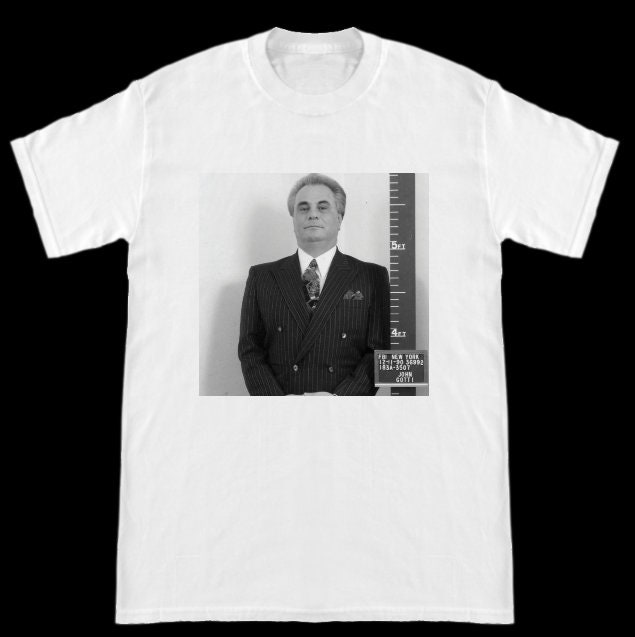
From Teflon Don Jr To Family Man: The Unseen Saga of John Angelo Gotti – Mob Icons, Fatherhood, and the Hidden Legacy of a Criminal Dynasty
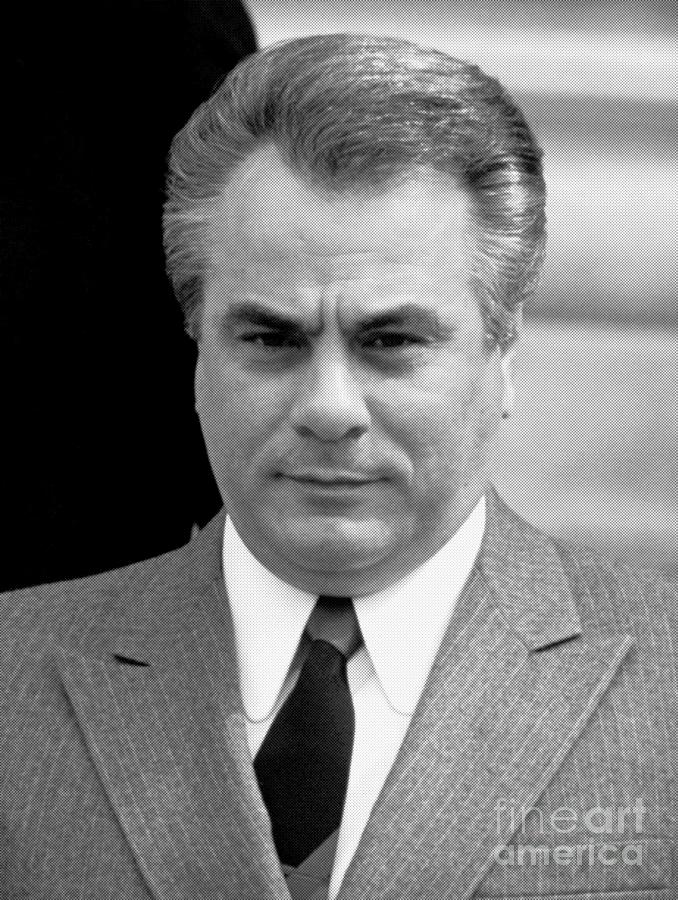
John Gotti The Life And Legacy Of The Teflon Don
The Teflon Don: Unveiling the Unprecedented Reign of John Gotti Over the Gambino Crime Family

Teflon Don: The Unseen Catalyst Shaping Modern Industry