The True Senora Meaning: Unpacking The Layers Of Respect, Age, And Identity In Spanish Culture
The True Senora Meaning: Unpacking The Layers Of Respect, Age, And Identity In Spanish Culture
The term "señora" carries profound cultural weight in Spanish-speaking communities, embodying far more than a simple translation of "Mrs." or "ma'am." It serves as a vessel for historical respect, social structure, and personal identity, reflecting the intricate relationship between age, marital status, and societal role. Understanding its genuine senora meaning reveals a complex etiquette and worldview that extends far beyond casual conversation.
At its core, the word is a formal address used for an adult woman, particularly one who is older or married. However, its application is laden with nuance, varying significantly by region, context, and the relationship between the speaker and the listener. To navigate Spanish-speaking social landscapes effectively, one must decipher the layers of intention embedded within this seemingly simple title.
The most traditional and widespread interpretation ties directly to marital status. In this context, "señora" (abbreviated as Sra.) is the female counterpart to "señor" (Mr.). It is used to address or refer to a married woman, signaling respect for her role within the social fabric. This usage is prevalent in formal writing, official documents, and polite spoken interactions.
* Formal Correspondence: In a business letter, the heading would read "Sra. María González" for a married woman named María González.
* Social Events: At a wedding or gathering, a host might announce, "Presento a la Sra. Ana López," acknowledging her married status.
* Everyday Courtesy: When addressing a stranger on the street, particularly an older woman, a waiter might use "Señora, ¿puedo ayudarle?" (Ma'am, can I help you?).
This usage is largely universal across Spanish-speaking countries, although the level of formality can differ. In some regions, younger married women might be addressed as "señorita" (Miss) until an advanced age, while in others, "señora" is the default respectful title for any adult woman.
Perhaps the most potent aspect of the senora meaning is its direct link to age and seniority. Unlike English, where "ma'am" is a general polite term, "señora" inherently acknowledges the recipient's life experience and presence in the community. It is a linguistic recognition of wisdom, stability, and seniority.
The term derives from the Latin "senior," meaning "older" or "elder." Consequently, it is not uncommon to hear younger individuals address older women as "señora" as a sign of deference, regardless of their marital status. This usage transforms the title from a marital marker into a pure honorific of respect.
* A young professional seeking advice from a community elder: "Disculpe, señora, ¿podría indicarme cómo llegar al banco?" (Excuse me, ma'am, could you tell me how to get to the bank?).
* Addressing a female teacher or principal: "Buenos días, señora Directora." (Good morning, Mrs. Director).
* Referring to one's own mother or grandmother in a formal context: "Mi señora madre siempre decía..." (My mother, my lady, always used to say...).
This dimension of the senora meaning highlights the cultural reverence for age. It establishes a social hierarchy where experience is valued, and language serves as the tool to express that hierarchy politely.
While the standard meaning is clear, the term takes on a distinct and powerful significance when used in a universal or capitalized form. "Señora" with a capital 'S' (Señora) or the phrase "La Señora" transcends the personal and enters the realm of the archetypal. It represents the embodiment of womanhood, motherhood, and the domestic sphere.
This usage is deeply poetic and often appears in literature, music, and proverbs. It speaks to an idealized version of femininity—nurturing, strong, and foundational to the family unit. It is less about a specific individual and more about the concept of a woman as the heart of the home.
* In the famous Spanish folk song "La Señora," the title refers to a dignified, perhaps even mythical, female figure.
* Literary works might use "la Señora" to refer to the matriarch of a family or a symbolic representation of fate or the earth (Madre Tierra).
* The phrase "Ave María, Purísima Concepción, sin pecado concebida, etc." is often followed by the invocation "Señora," addressing the Virgin Mary in her role as the mother of God.
Understanding this layer is crucial for appreciating the cultural depth of the language. It reveals how a simple title can carry the weight of centuries of tradition, faith, and societal values.
The modern landscape has introduced new layers to the senora meaning, challenging traditional norms. In contemporary urban centers and among younger generations, the lines between "señorita" and "señora" are blurring. Many women, particularly those who are unmarried or older, prefer to be addressed simply as "señora" as a mark of professional competence and personal respect, divorced from their relationship status.
Furthermore, the rise of feminist discourse has prompted some to question the inherent gendered nature of the title itself. While "señor" (Mr.) is neutral, the female forms ("señora," "señorita") are explicitly tied to a woman's relationship to a man (married or unmarried). This has led to innovative, though not yet widespread, adaptations. Some individuals and organizations opt for gender-neutral alternatives or the simple initialism "Sra." in contexts where the marital status is irrelevant.
Ultimately, the senora meaning is a living, evolving entity. It is a key that unlocks the door to understanding Spanish etiquette, history, and social dynamics. Whether used to denote marital status, show reverence for age, or evoke a powerful archetype, the word commands attention and respect. For anyone seeking to engage authentically with Spanish-speaking cultures, mastering the subtle art of this title is not just a matter of vocabulary—it is a fundamental act of cultural empathy and understanding.
Related Post
Senora Meaning: Decoding the Nuances of a Spanish Honorific

Unveiling the Meaning: A Deep Dive into the Spanish Term "Señora" and Its Usage

Unleashing the Power of R63: The Future of Roblox is Here!
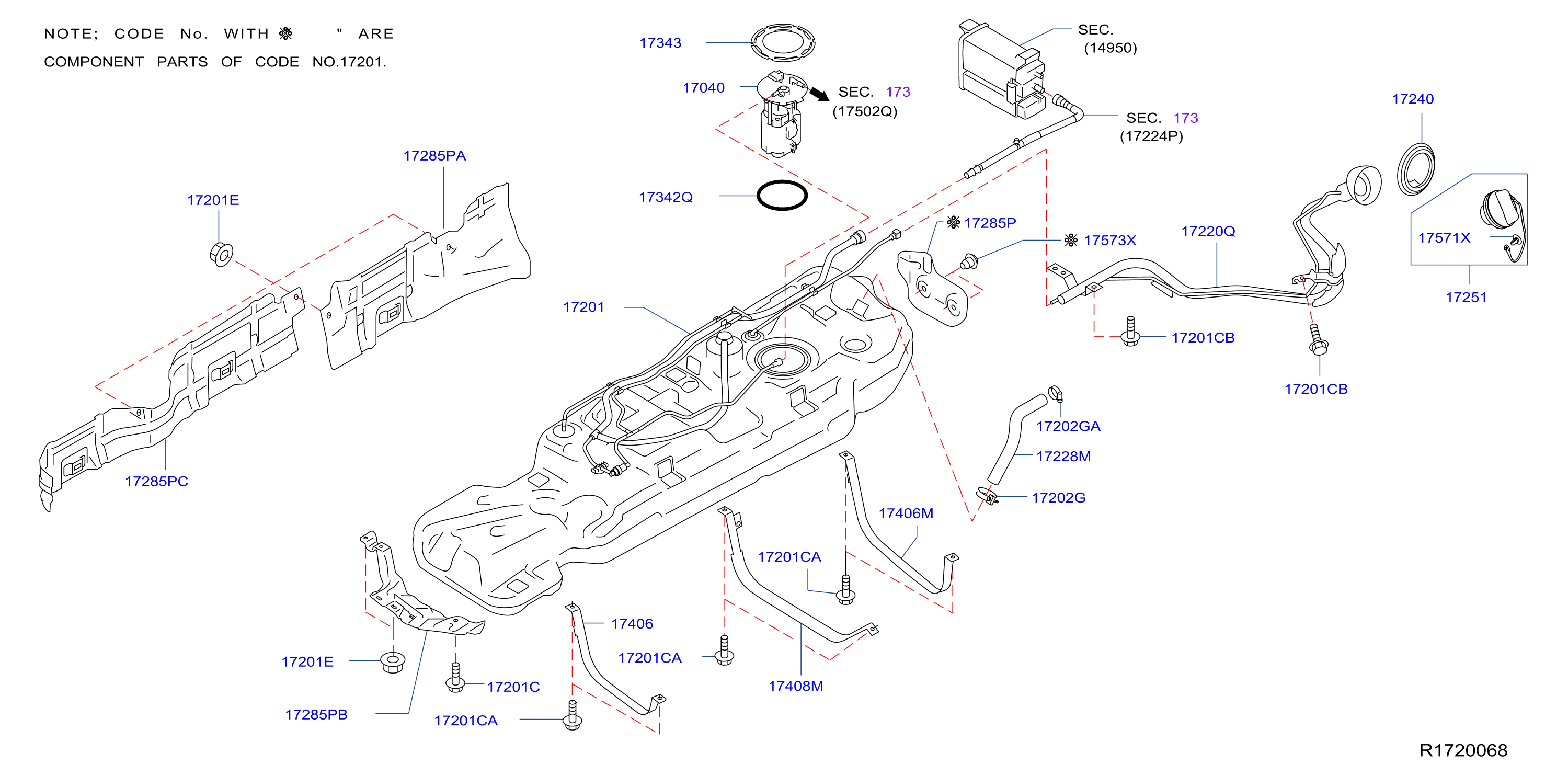
The Ultimate Guide to Your 2014 Nissan Altima's Fuel Tank Size: What You Need to Know


