The True Story of the Gambino Crime Family: From Dapper Don to Modern Decline
The True Story of the Gambino Crime Family: From Dapper Don to Modern Decline
The Gambino crime family stands as one of the most notorious organizations in American Mafia history, defining New York’s underworld for decades. Led by iconic figures like Carlo Gambino and John Gotti, the family mastered strategic positioning, violent enforcement, and business diversification. This article examines the family’s structure, key players, criminal operations, and the eventual decline that followed intense law enforcement pressure.
The Origins and Formation of the Gambino Family
The Gambino family emerged from the fragmented landscape of American organized crime following the repeal of Prohibition. Originally part of the D’Aquila crime family, it evolved through alliances and conflicts before establishing its distinct identity. The name “Gambino” became synonymous with power and calculated strategy rather than reckless aggression.
- Founded in the 1920s amid Prohibition-era violence
- Carlos Mangano played a crucial early role in establishing the family’s foundation
- The family distinguished itself through business acumen over pure brutality
Carlo Gambino: The Mastermind Behind the Empire
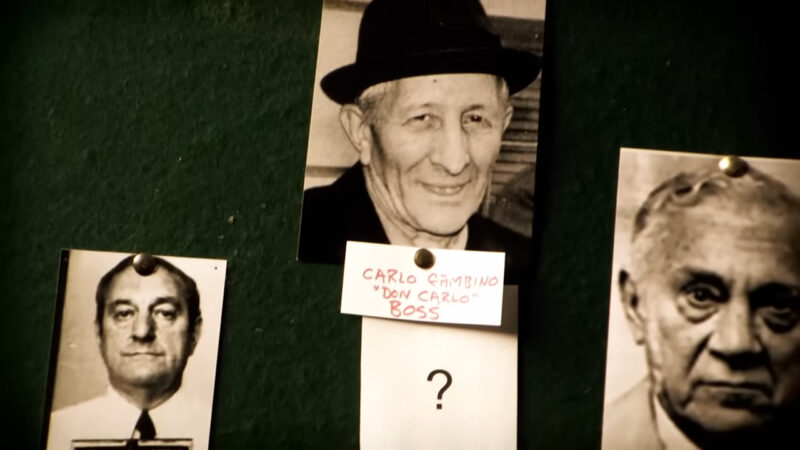
Carlo Gambino, often referred to as “The Old Man,” transformed the family into a highly disciplined and profitable enterprise. He emphasized discretion, strategic alliances, and diversification into legal businesses to mask illegal income. His calm demeanor and analytical approach contrasted sharply with the flashy violence that later defined other crime families.
- Strategic placement of family members in unions and legitimate businesses
- “Maintain a low profile” philosophy to avoid federal scrutiny
- Creation of a commission system to mediate disputes between families
Gambino’s leadership style prioritized profitability over public recognition, allowing the family to thrive for decades without major leadership disruptions. His ability to adapt to changing law enforcement tactics set a standard for future mob bosses.
The Rise of John Gotti and Media Fame
John Gotti’s tenure in the 1980s and early 1990s brought unprecedented media attention to the Gambino family. His charismatic public persona and courtroom antics made him a tabloid fixture, earning him the nickname “The Dapper Don.” Despite his theatrical behavior, Gotti maintained the family’s criminal operations, including extortion, gambling, and labor racketeering.
- 1985: Gotti orchestrates the assassination of family boss Paul Castellano
- 1986: Gotti becomes boss after manipulating a succession crisis
- High-profile trials in the late 1980s expose the family’s inner workings
Gotti’s reign was marked by both audacity and vulnerability. His reliance on intimidation and public displays of power ultimately attracted federal attention, leading to multiple indictments. The family’s cohesion began to unravel as internal mistrust grew under constant surveillance.
Structure and Operations of the Gambino Crime Family
The Gambino family operated under a hierarchical structure mirroring corporate organizational models. At the top sat the boss, followed by underboss, consigliere, and various capos managing crews. This structure allowed for compartmentalized operations, reducing the risk of complete collapse if leaders were arrested.
Key Criminal Activities
- Extortion of construction and trucking businesses
- Control of waste management and recycling industries
- Racket in labor unions for financial leverage
- Gambling, loan sharking, and occasional drug trafficking
The family’s integration into legitimate businesses provided layers of protection and money laundering opportunities. By skimming profits from union pension funds and construction projects, they maintained significant financial reserves even during legal crackdowns.
Law Enforcement Pressure and Decline
The 1990s marked a turning point for the Gambino family as aggressive federal prosecutions weakened its core leadership. Underboss Sammy Gravano’s 1992 cooperation deal with the FBI resulted in numerous convictions, including Gotti’s life sentence in 1992. This cooperation exposed the internal workings of the Mafia like never before.
Subsequent leaders struggled to maintain the same level of control. The family’s influence in labor unions diminished, and profit margins shrank as competition from other criminal organizations increased. By the 2000s, the Gambino family operated at a fraction of its former capacity, with federal oversight continuing to constrain its activities.
Legacy and Modern Era
Today, the Gambino crime family exists in a diminished capacity, overshadowed by its historical prominence. While remnants of the organization persist in New York and New Jersey, their operations are largely limited to small-scale crimes. The family’s legacy, however, remains embedded in popular culture, influencing perceptions of organized crime.
Former members and associates have cooperated with authors and filmmakers, providing inside perspectives on the mechanics of Mafia life. These accounts reveal a complex organization balancing criminal enterprise with community ties, a duality that defined the Gambino era.
The story of the Gambino crime family serves as a case study in organizational evolution, demonstrating how strategic positioning can lead to long-term success—and equally dramatic collapse when internal trust erodes. Its history continues to inform law enforcement strategies against modern organized crime networks.
Related Post
The Hidden Fortune of the Gambino Crime Family: How Much Is the Infamous Mob Network Really Worth?
Unveiling the Gambino Crime Family: A Legacy of Loyalty and Infamy


