The Truth About Legal Age For Drinking In Jamaica: Busting Myths And Understanding The Law
The Truth About Legal Age For Drinking In Jamaica: Busting Myths And Understanding The Law
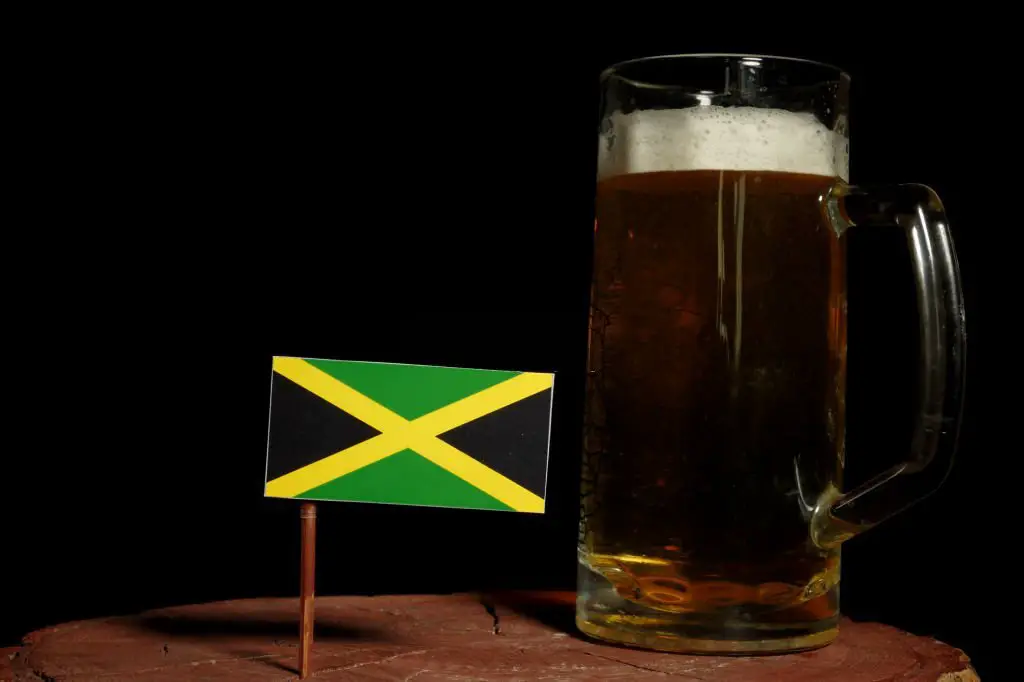
While many visitors assume Jamaica operates under a laid-back, permissive alcohol policy, the reality is governed by a specific, strictly enforced legal framework. The legal age for consuming alcohol in Jamaica is unequivocally eighteen years, a regulation aligned with the national age of majority. This article delves into the statutory provisions, enforcement mechanisms, and the cultural context surrounding underage drinking on the island.
The legal landscape concerning alcohol consumption in Jamaica is primarily defined by the Liquor Licensing Act. This legislation serves as the cornerstone for regulating not just the sale of alcoholic beverages, but also their possession and consumption by minors. Understanding this act is crucial for both residents and tourists to avoid unintentional violations and the associated penalties.
Statutory Framework and Legal Provisions
The cornerstone of Jamaica's alcohol regulation is the Liquor Licensing Act, which establishes the legal parameters for the entire industry. According to the Act, the minimum age for the purchase, possession, and consumption of alcoholic beverages is eighteen (18) years old. This age is not arbitrary; it is the nation's designated age of majority, at which an individual is considered legally competent to enter into contracts and make adult decisions, including the choice to consume alcohol.
The legal text is clear and leaves little room for ambiguity. Section 15 of the Liquor Licensing Act specifically addresses the sale of liquor to intoxicated persons and, by extension and common legal interpretation, to minors. It prohibits licensees from selling or supplying liquor to any person whom they have reasonable cause to believe is under the age of eighteen. This provision places the onus on the seller to verify the age of the consumer, typically through photo identification.
It is important to distinguish between the legal drinking age and the age of majority. While eighteen is the age for alcohol consumption, certain other responsibilities, such as voting or signing specific contracts without limitation, also fall at this age. However, when it comes to alcohol, the law is firm: no one under eighteen may legally partake, regardless of parental consent or presence.
Enforcement and Real-World Application
The theoretical legal framework is one aspect, but its practical enforcement is another. In practice, the onus is often on the consumer to prove their age, especially in environments like hotels, resorts, and local bars. Establishments that serve alcohol are required to display their licenses prominently and are expected to adhere strictly to the regulations to maintain their license and avoid fines or revocation.
Enforcement is typically carried out by local police authorities and licensing inspectors. They conduct random checks and raids, particularly in areas known for high tourist traffic or where underage drinking is a known issue. The penalties for non-compliance can be severe for both the establishment and the individual.
* **For Establishments:** Selling alcohol to a minor can result in substantial fines, the suspension or revocation of the liquor license, and potential legal action. A single violation can damage a venue's reputation and its ability to operate.
* **For Individuals:** A minor caught purchasing or possessing alcohol can face fines, mandatory community service, and the seizure of the alcohol. In some cases, parental notification may occur, and the incident could be recorded on their legal record, potentially impacting future opportunities.
A common scenario that illustrates the legal reality involves a tourist of legal age in their home country but under eighteen according to Jamaican law. If a 17-year-old from a country where the drinking age is 16 attempts to purchase a beer, the vendor is legally obligated to refuse the sale. The tourist's foreign ID, showing they are of legal age back home, holds no weight in a Jamaican court. The law is territorial and applies strictly to the jurisdiction of Jamaica.
Cultural Context and Social Realities
Despite the clear legal mandate, the social reality of underage drinking in Jamaica exists in a complex space. In many rural communities, it is not uncommon for adolescents to consume small amounts of alcohol, such as "bush tea" or homemade brews, during cultural ceremonies or family gatherings. This practice is often seen as a rite of passage or a way to integrate young people into adult social structures.
However, this cultural practice exists in a gray area and is increasingly at odds with modern public health initiatives and stricter enforcement. Health officials and educators are becoming more vocal about the risks associated with early alcohol consumption, including impaired brain development, increased risk of addiction, and engagement in risky behaviors. The cultural tradition is slowly giving way to a more regulated approach, especially in urban centers and tourist areas.
The tourism industry, a vital part of the Jamaican economy, also plays a role in shaping the enforcement of these laws. Resorts and hotels catering to international guests are often hyper-aware of the legal age, primarily to protect themselves from liability and to align with the expectations of travelers from countries with strict drinking age laws. A resort found to be routinely serving minors faces not only legal trouble but also reputational damage that could deter future guests.
Parental Guidance and Practical Advice
For parents, both local and visiting, understanding the law is essential. While a parent may accompany their 17-year-old to a bar, the law does not permit the consumption of alcohol. Providing alcohol to a minor, even within a private home, is generally discouraged and can lead to legal complications.
For tourists, the advice is straightforward:
1. **Carry Valid Identification:** A passport is the most universally accepted form of ID. Ensure it is valid for the duration of your stay.
2. **Be Prepared to Verify:** If you look younger than your stated age, be ready to show your passport when purchasing a drink.
3. **Understand the Consequences:** Fines for underage drinking can be significant and may disrupt your holiday.
The legal age for drinking in Jamaica is a clear line that is enforced for the safety and well-being of its youth. While the island is known for its relaxed atmosphere, the consumption of alcohol is a regulated activity governed by specific age requirements designed to protect young people. Adherence to this law is not just a formality; it is a critical component of responsible tourism and civic responsibility.
Related Post
Know the Rules: Understanding the Legal Age for Drinking in Jamaica
Meet Ben Stiller’s Mom and the Unscripted Power of Legacy and Legacy-Forming Stories

Jaimee Foxworth Son Steals Spotlight in a World Driven by Authenticity—Here’s Her Rising Influence
Rocky Parker Was Patrick Dempsey’s Ex: A Silent Chapter in Hollywood’s Glittering Glam


