The Ultimate College Football Recruiting Rankings Breakdown: How These Lists Shape The Future Of The Game
The Ultimate College Football Recruiting Rankings Breakdown: How These Lists Shape The Future Of The Game
Every winter and spring, the quiet hum of high school gyms and community fields is replaced by the thunder of cleats on turf as the nation’s best young athletes prepare for their official arrivals. College football recruiting rankings are far more than just lists; they are the blueprints for programs seeking championship contention and the passports for elite prospects seeking national recognition. This intricate system dictates where future NFL stars and Heisman candidates will land, influencing team culture, fan expectations, and the competitive landscape for years to come. Understanding how these rankings are constructed and interpreted is essential for anyone following the modern game.
The most recognizable names in college football media—ESPN, 247Sports, Rivals, and On3—act as the gatekeepers of talent evaluation. While each outlet maintains its own distinct methodology, the core of their analysis relies on a blend of quantifiable metrics and qualitative scouting. Coaches, former players, and dedicated analysts pour over game film, combine performance data, and academic records to assign ratings and placement. The goal is to project which players will transition successfully from the high school level to the rigors of NCAA Division I competition.
The Mechanics Behind The Numbers
The creation of a recruiting ranking is rarely a simple vote or a single statistic. It is a multi-layered process designed to compare thousands of athletes on a relatively level playing field. These systems are proprietary, but industry standards provide a clear framework for how evaluators assess potential.
* **Star Ratings:** The most immediate visual representation of a prospect’s perceived value is the star system, typically ranging from one to five. A five-star rating is reserved for the elite fraction of a recruiting class, often the top 30 to 50 players nationally. Four-stars represent high-level performers who are strong contenders for playing time, while three-stars are solid contributors who form the backbone of most successful programs.
* **Position Scarcity:** Not all stars are created equal in the eyes of the rankings. A five-star quarterback is significantly rarer than a five-star defensive back, due to the specialized nature of the position. Consequently, the rankings often place a premium on quarterbacks, edge rushers, and elite skill players, as their impact on the game is seen as more pronounced.
* **Composite Scores:** To mitigate bias, most major services utilize a composite ranking. This score averages or weighs the placements provided by multiple independent evaluators and analysts within the organization. If Analyst A ranks a player 10th and Analyst B ranks them 12th, the composite might place them at 11th, smoothing out individual opinion.
* **The "List" vs. "Composite Debate:** Historically, programs would tout their "list" ranking, which reflects the order a specific coach or staff believes prospects should be recruited. The composite ranking, however, represents the consensus view of the entire media ecosystem. In the modern era, the composite ranking is generally viewed as the more objective and stable measure of national sentiment.
The Impact On Programs and Prospects
For collegiate programs, the recruiting rankings are a direct reflection of their present and future viability. Securing high-rated recruits is not merely about winning next season; it is about building a sustainable pipeline of talent. A high concentration of four- and five-star players on a roster typically correlates with consistent playoff contention and national relevance.
Conversely, for prospects, the rankings are the difference between walking onto a powerhouse campus as a celebrated hero or blending into a deep rotation at a lower-profile school. The pressure to achieve a high star rating or a top-100 national ranking is immense, affecting everything from training regimens to the choice of which games to attend.
* **The Spotlight Effect:** Being ranked highly creates a feedback loop. High-ranked prospects receive more exposure, leading to more offers from top programs, which in turn generates more media attention. This visibility can accelerate a prospect’s development and refine their skillset.
* **Program Identity:** Rankings help define a school’s identity in the college football landscape. Alabama’s dominance in securing top-tier talent reinforces its reputation as a blue-blood powerhouse. Meanwhile, a school like Miami (FL) consistently landing high-scoring cohorts maintains its status as a destination for skilled, explosive athletes.
* **The Transfer Portal Wildcard:** The modern rankings must account for the volatility of the transfer portal. A five-star recruit who transfers from a low-ranked program to a high-ranked program can immediately elevate the perceived talent level of that team, forcing analysts to constantly re-evaluate roster strength beyond the initial recruiting class.
Case Study: The 2024 Elite Quarterback Battle
Nowhere is the influence of the recruiting rankings more apparent than in the annual quarterback draft. Consider the hypothetical scenario of the 2024 high school class, featuring two elite talents: Player X, a dual-threat dynamo from a powerhouse Florida high school, and Player Y, a methodical drop-back passer from a Texas program.
* **The Scouting Report:** Player X receives a five-star rating from all major services, praised for his arm strength and athleticism. Player Y also earns a five-star rating but is noted for his high football IQ and accuracy. Despite the same star rating, the *nature* of their talents creates distinct profiles.
* **The Ranking Discrepancy:** Due to the subjective nature of evaluating quarterback potential, slight variations occur. Player X might be ranked #1 overall by 247Sports, while Rivals places Player Y at the top. ESPN’s composite might list them #1 and #2, respectively. These minor shifts are dissected endlessly by fans and experts, as they hint at which evaluator’s eye aligns best with a specific coaching philosophy.
* **The Program Match:** Ultimately, the "best" recruit is the one who fits the program’s system. A spread-option offense needing a mobile threat will prioritize Player X, regardless of a slightly lower composite ranking. A precision Air Raid offense will target Player Y, even if he is ranked slightly behind his counterpart. The rankings provide the stage, but the fit determines the star.
Criticism and the Evolving Landscape
The reliance on recruiting rankings is not without its detractors. Critics argue that the process places too much emphasis on teenage athletes, potentially creating an unhealthy level of pressure and media intrusion. Furthermore, the system is not infallible; some highly-rated prospects fail to meet expectations due to injury, poor work ethic, or simply a mismatch with the college game.
As the NIL (Name, Image, Likeness) era reshapes the college sports landscape, the dynamics of recruiting are shifting. Rankings now must account for the financial inducements and name-of-college-deal opportunities available to top prospects. A five-star rating today might be influenced not only by athleticism but also by the perceived marketability and earning potential of a prospect in the new economic environment.
Despite these complexities, the college football recruiting rankings remain the definitive starting point for the annual cycle of college football. They are the scoreboard for the battle for talent, the narrative driver for offseason discussions, and the foundational element upon which every college football dynasty is built. To follow the sport is to follow the whispers of a 17-year-old phenom and the strategic masterstroke of a program landing him.
Related Post
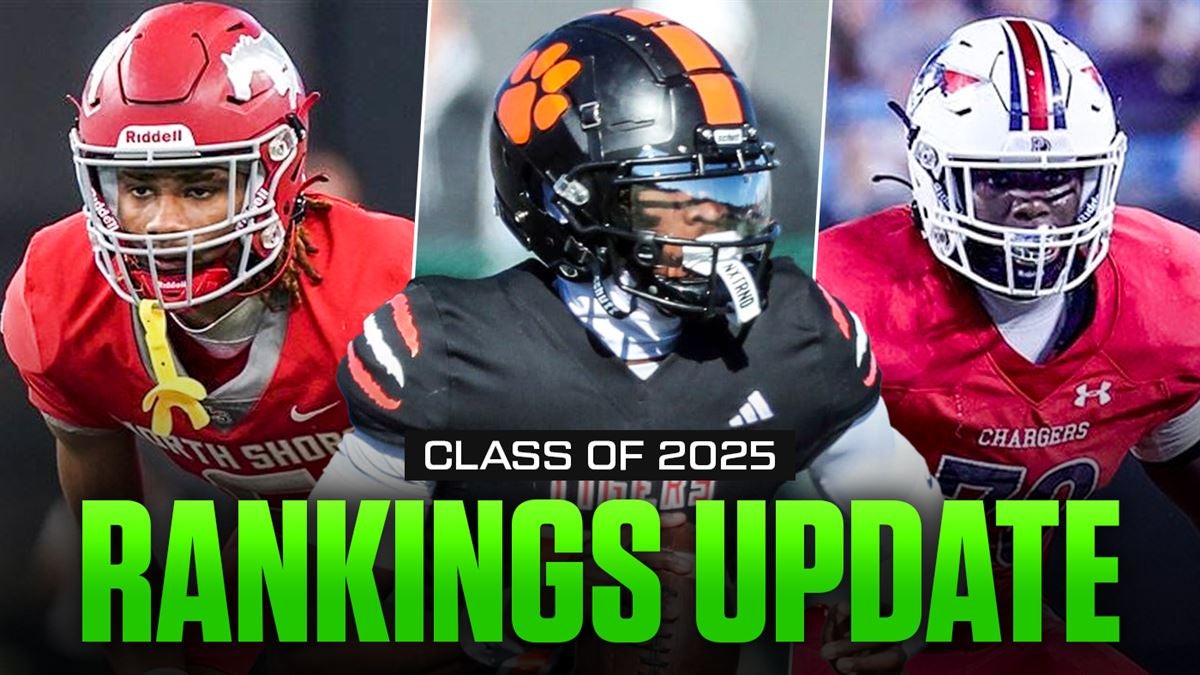
The Battle for Dominance: College Football Recruiting Rankings 2025

Unveiling the Fascinating World of Stephen Hensley Net Worth: A Billionaire's Rise to Success

The Unconventional Genius of Perry Rahbar: A Master of Innovation
<u>You are appreciated more than you know: The Power of Gratitude and Validation</u>