The Ultimate DND Constitution Guide: Maximizing Your Character's Resilience and Survival
The Ultimate DND Constitution Guide: Maximizing Your Character's Resilience and Survival
In the intricate dance of dice rolls and strategic decisions that defines Dungeons & Dragons, few choices resonate as profoundly as the selection of your core abilities. While Charisma might win you the charming smile to slick-talk a dragon, and Intelligence could unravel the most complex magical riddle, it is often the humble Constitution score that dictates whether your character leaves the adventure alive. This fundamental attribute, representing raw vitality and endurance, serves as the bedrock of survivability, determining how hard your hero can fall before staying down. Understanding and optimizing this crucial statistic is not merely a min-maxing exercise; it is the key to transforming a fragile adventurer into an unyielding pillar of resilience.
The significance of Constitution extends far beyond the simple application of a bonus to hit points. It is the silent guardian that watches over your character during the relentless barrage of combat, the unseen shield that protects against the debilitating effects of the world’s most dangerous environments. From the scorching deserts to the freezing tundra, this score dictates your body's ability to withstand hardship. Neglecting it is akin to building a castle on sand, no matter how impressive its walls of Charisma or its towers of magical prowess. A high Constitution is the ultimate equalizer, ensuring that your grand plans are not foiled by a single well-placed arrow or a whisper of poisonous venom.
To truly appreciate the mechanics and mastery of this vital statistic, one must first understand its fundamental role within the game’s framework. It is not merely a number on a page but a representation of your character’s grit, stamina, and sheer will to survive. Every decision made regarding this score ripples through every aspect of your playstyle, from the mundane task of surviving a trek through the wilderness to the life-or-death struggle against a demilich in its lair.
Defining the Core: What Constitution Actually Governs
In the vast pantheon of D&D attributes, Constitution holds a unique and pivotal position. Unlike skills that govern specific actions like climbing or persuading, this ability score is a blanket modifier that influences the very fabric of your character’s existence. Its primary and most famous function is the calculation of Hit Points, the numerical representation of your capacity to endure damage. Without a robust Constitution, even the mightiest warrior would fall swiftly in the heat of battle.
The mechanics are straightforward yet deeply impactful. When your character levels up, they gain Hit Dice, which are rolled to determine the increase to their maximum hit points. The Constitution modifier is then added to the result of this roll. A character with a Constitution score of 16, for example, gains a +3 modifier, which is added to every new hit die they gain. This simple addition can mean the difference between being knocked unconscious after a single blow and shrugging off blows that would fell lesser warriors. As game designer Jeremy Crawford has noted in official design insights, "Constitution is the last bastion of defense. It’s the score that keeps your character in the fight when the swords are broken and the magic has faded."
However, the reach of Constitution extends far beyond the battlefield. It governs your character's endurance in harsh conditions, dictating how long they can survive without food or water. When a Dungeon Master (DM) describes the oppressive heat of a desert or the bone-chilling cold of a mountain pass, a Constitution check often determines whether your adventurer succumbs to exhaustion or pushes through the torment. It is the score that dictates your Fortitude saving throws, the reflexive defense against spells and effects that seek to drain your life force or poison your system. In essence, it is the score of resilience, the buffer between your fragile mortal form and the relentless cruelty of the game world.
The Mechanical Advantages of a High Constitution
Choosing to prioritize Constitution during character creation or advancement offers a cascade of tangible benefits that fundamentally alter the survivability curve of any adventurer. The most immediate and visible advantage is the sheer increase to hit points. A Barbarian with a Constitution score of 20 will inevitably outlast a Barbarian with a score of 10, tanking blows that would reduce the latter to a smear on the battlefield. This durability creates a profound psychological advantage; enemies are less likely to target the seemingly unkillable warrior, allowing more fragile allies to operate with greater freedom.
Beyond hit points, a high Constitution grants a suite of defensive advantages. Many potent magical effects, such as the suffocating grip of a *Hold Breath* spell or the paralyzing venom of a monster, require a Constitution saving throw to resist. A high modifier in this area means the difference between being paralyzed and continuing to fight, or between holding your breath and succumbing to drowning in the depths of an underwater ruin. Furthermore, high Constitution often confers resistance to environmental hazards. Some classes, like the Dwarf with their innate resistance to poison, or the Goliath with their resistance to cold damage, tie their racial traits directly to this score, further layering their defensive capabilities.
Perhaps the most significant, yet often overlooked, advantage of a robust Constitution is its role in maintaining concentration. In D&D, many powerful spells, such as *Haste* or *Invisibility*, require the caster to maintain concentration to remain active. Taking damage triggers Constitution saving throws to keep the spell anchored to reality. A high Constitution modifier provides a buffer against these rolls, allowing spellcasters to stay in the fray longer and provide crucial support to their teams. It transforms a fragile mage into a durable anchor of magic, capable of weathering the storm of battle.
Strategic Considerations and Class Synergies
While the benefits of a high Constitution are universal, the optimal approach to maximizing this score varies significantly depending on the character’s class and intended role within the party. For martial characters such as Fighters, Barbarians, and Paladins, Constitution is often the cornerstone of their design. A high Constitution Barbarian can enter a rage and absorb blows that would disintegrate a lesser man, becoming a mobile bastion of health. Similarly, a Fighter with a strong Constitution can embody the classic "tank" archetype, using high hit points and the durable Action Surge feature to hold the line against impossible odds.
For spellcasters, the decision is more nuanced. While a high Constitution might seem contrary to the squishy wizard stereotype, it offers critical advantages. A Wizard with a Constitution score of 14 or 16 can survive a few rounds of melee combat if caught unawares, and their concentration saves become far less daunting. Classes like the Warlock, which rely heavily on concentration-based Eldritch Invocations, or the Bladesinging Wizard, who merges martial prowess with spellcasting, find that a solid Constitution score is essential for remaining alive long enough to unleash their full potential. Even a Cleric, who typically focuses on Wisdom, can benefit from a strong Constitution, ensuring they can withstand the retaliatory strikes of enemies who target their role as the party's primary healer.
Ultimately, the goal is to find the balance that best serves your character concept. A slight boost to Constitution can make a Rogue surprisingly hardy, allowing them to live long enough to land the critical backstab. Conversely, a character built as a frail but brilliant scholar might intentionally sacrifice a few points of Constitution to achieve a higher Intelligence, accepting the risk for a greater reward in knowledge. The key is intentionality; understanding how this score interacts with your class features, background skills, and desired playstyle allows you to build a character that is not only mechanically sound but also narratively compelling.
Related Post
The Ultimate Dnd Constitution Guide: Maximizing Your Character's Physical Resilience
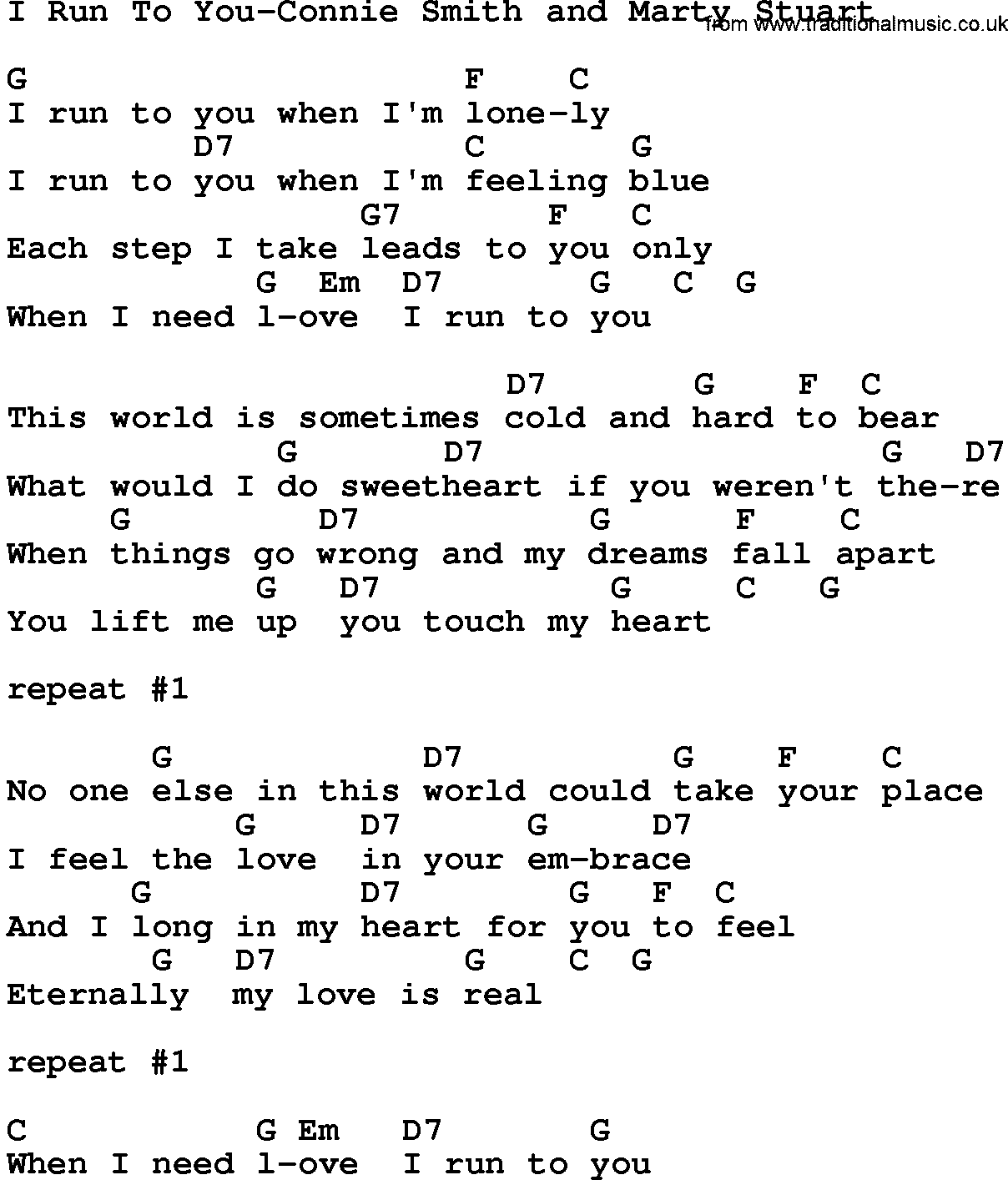
Country Music Icons Connie Smith and Marty Stuart: A Harmonious Collaboration

The Rise of Mark Hard: Unpacking the Psychology, Impact, and Future of Modern Life's Most Prominent Traits

Dragged into Scandal: Drake Accused of Having Affair, Ending Singer's 8-Year-Old Engagement


