The Ultimate Guide to 30 Rock Actors: From Cast Dynamics to Career Impact
The Ultimate Guide to 30 Rock Actors: From Cast Dynamics to Career Impact
The ensemble cast of 30 Rock transformed a behind-the-scenes comedy into a cultural touchstone, blending razor-sharp satire with deeply human character work. This article examines the core performers who drove the show’s success, how their chemistry defined its humor, and the lasting influence of their roles on both the series and their individual careers.
30 Rock, which aired on NBC from 2006 to 2013, presents a meta-comedic lens on television production through the eyes of fictional NBC executive Liz Lemon and her dysfunctional crew. Unlike many workplace comedies that lean heavily on episodic gags, the show used its ensemble to build an ongoing emotional ecosystem. The actors not only delivered jokes but also anchored the series’ balance between absurdity and vulnerability, making the professional chaos feel oddly intimate.
Tina Fey originated the character of Liz Lemon, the sharp-tongued head writer juggling creative demands, corporate interference, and personal stagnation. Fey, co-creator and executive producer, infused the role with an everywoman exhaustion that resonated widely. Her performance balanced neurotic precision with a self-deprecating resilience that became the show’s emotional core. Quotes from Fey often highlight the peculiar duality of playing a version of herself under a television magnifying glass. “I wrote myself into this job, essentially,” she noted in interviews, acknowledging the blurred line between creator and protagonist.
Jack McBrayer brought gentle absurdity to Kenneth Parcell, the naïve NBC page whose boundless optimism defied corporate logic. Kenneth’s childlike sincerity functioned as the show’s moral compass, frequently highlighting the greed and cynicism of the entertainment industry through unvarnished wonder. McBrayer’s physical comedy and timing created a character who could pivot from surreal non sequiturs to profound simplicity within seconds. His presence served as a counterweight to the frenetic plotting, reminding viewers that decency could thrive even in a dysfunctional system.
Tracy Jordan, portrayed by Tracy Morgan, embodied the beautiful collision of ego and insecurity that defines many stars. Morgan’s improvisational genius allowed the character to explode into unpredictable tangents while revealing layers of vulnerability beneath the bluster. The role earned critical praise and award recognition, showcasing Morgan’s ability to stretch beyond earlier comedic archetypes. Critics frequently highlighted how Tracy Jordan’s antics were never just random chaos; they were carefully calibrated indictments of celebrity culture’s excesses. “Tracy let the character be as loud and flawed as he needed to be,” observed one collaborator, “which made the rare moments of tenderness land even harder.”
Jane Krakowski played Jenna Maroney, an aspiring movie star trapped in the endless churn of network television. Her performance combined vampish allure with a desperate hunger for relevance, producing a parody of celebrity entitlement that remained oddly sympathetic. Jenna’s desperate bids for stardom and her complex relationship with Tracy Jordan provided ongoing subplots that humanized the cutthroat industry from a female perspective. Krakowski’s musical numbers and dramatic readings became recurring highlights, demonstrating her versatility within the show’s heightened reality.
Scott Adsit portrayed Pete Hornberger, the laid-back yet deeply loyal producer who kept the train from derailing entirely. His dry wit and subtle reactions offered a steady anchor amid the chaos, allowing audiences to trust the show’s internal logic through sheer competence. Pete’s long-suffering loyalty to Liz Lemon introduced a nuanced adult relationship that avoided romantic clichés while conveying deep mutual respect. Adsit’s background in sketch and improvisation enriched the role, turning Pete into the audience’s reliable conduit through the madness.
Judah Friedlander assumed the role of Frank Rossitano, the conspiracy-obsessed writer whose trucker hats and relentless scheming provided endless visual humor. Beneath the slacker exterior lay an oddly poignant awareness of professional decline, which Friedlander played with a mix of swagger and pathos. Frank’s running battles with Jack over cultural relevance satirized generational divides within the writing staff. His character demonstrated how 30 Rock used humor to explore creative burnout and the struggle for legacy in a volatile industry.
Sub-ensemble members, including Keith Powell as James “Toofer” Spurlock and Lonny Ross as Josh Girard, rounded out the writer’s room with distinct voices and evolving arcs. These supporting roles were not mere foils but fully rendered individuals whose career journeys, romantic misadventures, and ethical dilemmas enriched the series’ texture. The show’s writing allowed each performer to explore facets of ambition, friendship, and compromise without reducing them to punchlines.
The synergy among the cast defined 30 Rock’s rhythm, enabling shifts from broad satire to quietly poignant moments within a single episode. Live audience interactions, musical numbers, and escalating absurdity were grounded by the actors’ shared understanding of emotional truth. This balance prevented the show from devolving into mere sketch comedy, instead creating a serialized world where growth and regression coexisted realistically.
Beyond immediate laughs, the actors’ performances influenced broader television trends, proving that fast-talking, structurally ambitious comedy could also deliver character depth. Their work on 30 Rock remains a benchmark for ensemble casts navigating the demands of network television while maintaining artistic integrity. The show’s legacy is inseparable from the risks its cast took, trusting meticulous writing and collaborative spirit to turn a workplace setting into enduring television art.
Related Post

TheBehind-the-Scenes Secrets of 30 Rock: Top Performers Share their Experiences
:max_bytes(150000):strip_icc()/nup_132901_0352-229ff06aaeed4fb1a2ef04d2fc48adc8.jpg)
The Definitive Guide To 30 Rock Actors From Main Characters To Guest Stars
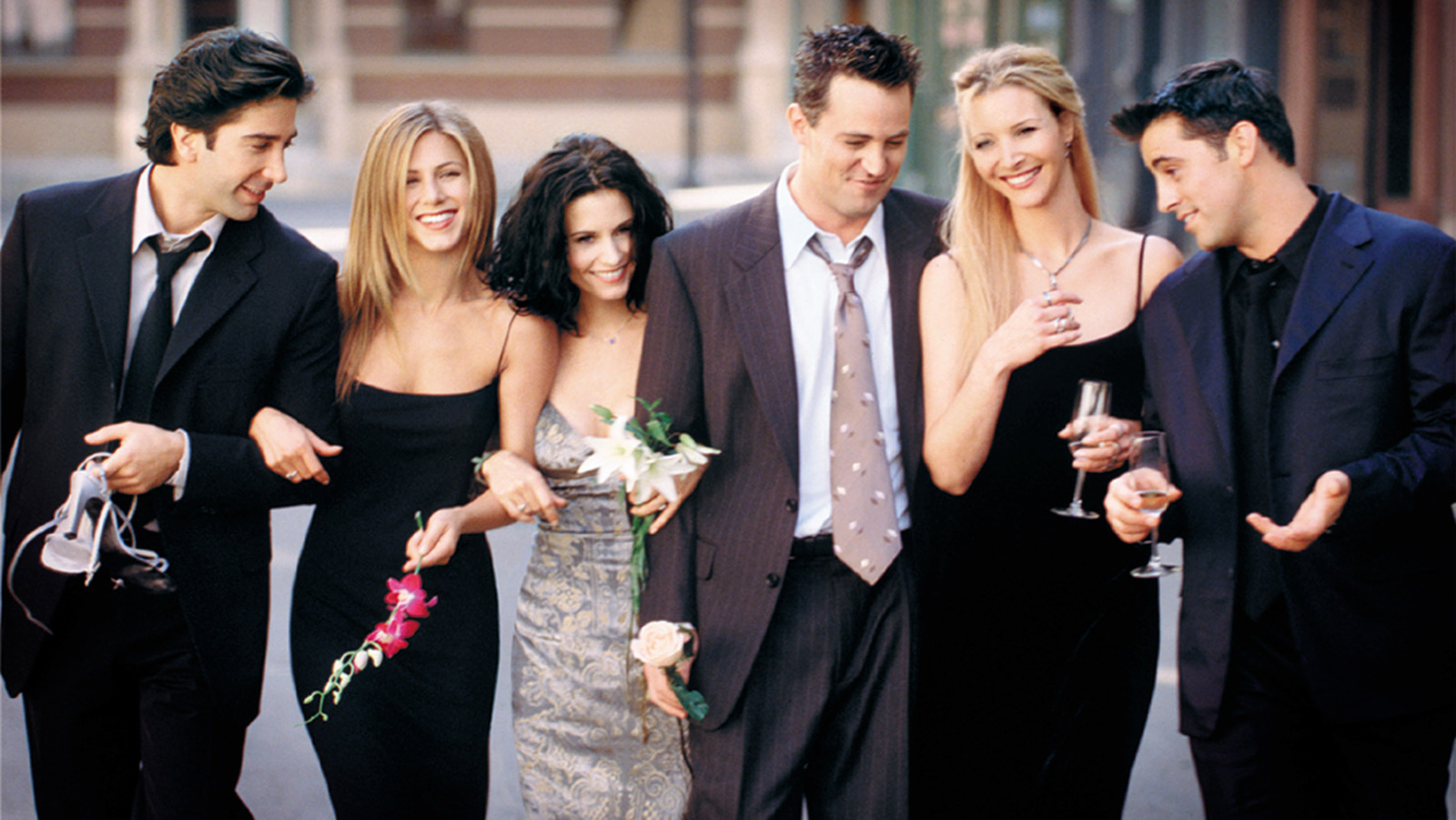
Definitive Guide to The 30 Rock Actors: From Core Stars to Iconic Guest Signatures

Unlocking Profitability: How to Calculate Net Present Value using the NPV Finance Formula


