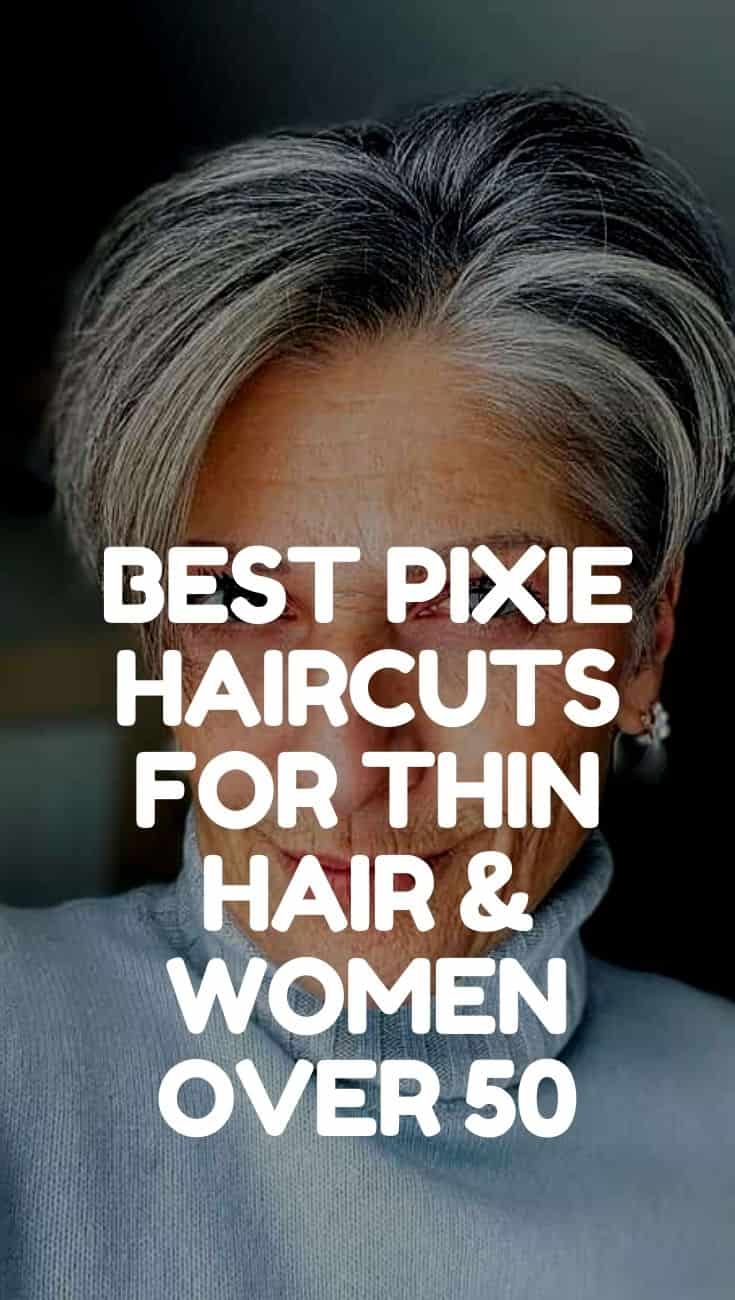
The Ultimate Guide to Pixie Haircuts: History, Styling, and Modern Variations
The Ultimate Guide to Pixie Haircuts: History, Styling, and Modern Variations
The pixie cut emerged in the mid-20th century as a radical departure from long-held feminine beauty standards, symbolizing liberation and practicality. This highly adaptable hairstyle features extremely short layers around the head with slightly longer hair on top, allowing for textured, edgy styling. Today, it remains a powerful statement of individuality, worn by celebrities and professionals alike who value convenience without sacrificing elegance.
Historically, the haircut is inextricably linked to the shifting cultural landscape of the 1920s through the 1960s. Initially popularized as a practical solution for women entering the workforce, it evolved into a symbol of rebellion and artistic expression. Understanding its journey provides context for why it continues to resonate in contemporary fashion and personal identity.
The origins of the style are often traced back to the "bob," but the specific cropped variant that resembles the modern pixie emerged through the work of avant-garde stylists. These innovators challenged the norm that longer hair equated to femininity. As the decades progressed, the look was adopted by Hollywood icons and musicians, solidifying its status as a timeless trend rather than a fleeting fad.
### The Birth of a Revolution
The post-war era and the rise of the "New Woman" played a significant role in the acceptance of shorter styles. Cinema and fashion magazines showcased images of women who defied traditional roles. The cut allowed for a sense of mobility and ease that was previously uncommon in female grooming routines.
* **Practicality:** The style requires minimal drying time and is ideal for those with active lifestyles.
* **Versatility:** It can be styled sleek and sophisticated or tousled and messy, depending on the occasion.
* **Maintenance:** Regular trims every four to six weeks are necessary to maintain the shape.
The 1960s, in particular, saw the hairstyle explode in popularity thanks to influential figures in music and film. It became a visual representation of the era’s spirit of liberation and break from convention. The look required precision, turning the head into a canvas for geometric shapes and soft graduation.
### The Anatomy of the Cut
A professional pixie is not a one-size-fits-all proposition. Stylists consider several factors before picking up the scissors, including the density of the hair, the natural wave pattern, and the shape of the head. Thinner hair may require layers to create the illusion of volume, while thick hair may be textured to remove weight.
The construction generally involves three distinct zones:
1. **The Fringe:** This section frames the forehead and can range from a blunt edge to a wispy, side-swept style.
2. **The Sides:** The hair is tapered short around the temples and ears, creating definition and contrast.
3. **The Crown:** The top section is left longer to allow for styling, whether that be a slight lift or a dramatic flick.
To understand the technical aspect, consulting with a professional is essential. A skilled stylist will assess your facial structure to determine the optimal length for the sides. For example, a heart-shaped face might benefit from softer, longer layers around the jawline to balance a wider forehead, whereas an oval face can generally accommodate a more severe, geometric shape.
### Modern Variations and Styling Tips
Today’s market offers a spectrum of pixie-inspired looks, moving far beyond the uniform length of the past. Stylists now incorporate techniques like razor cutting and point cutting to create soft, feathered edges rather than harsh lines. This evolution has made the style more forgiving and adaptable to different hair types.
For those with straight hair, a sleek, wet-look finish can be achieved with a lightweight serum. Curly-haired individuals, however, often find the texture of their natural curls enhances the cut, as it adds dimension without the need for extensive product.
When it comes to product selection, the goal is usually to enhance texture rather than weigh the hair down. Matte pastes are ideal for creating a piecey, undone look, while creams provide a smoother, more polished appearance. A common tip from experts is to apply product to the roots first and then work it through the ends to ensure even distribution.
Moreover, the versatility extends to color. The pixie cut provides an excellent base for bold highlights or balayage, as the short length makes the color appear more dramatic and intentional. This has led to a trend where individuals use the cut as a platform for self-expression through vibrant hues.
In the professional environment, the pixie cut is often cited as a symbol of competence and modernity. It projects confidence and a lack of concern for superfluous grooming rituals. As the conversation around workplace dress codes continues to evolve, this style represents a form of personal branding that aligns with efficiency and authenticity.
Ultimately, the enduring appeal of the pixie cut lies in its balance of liberation and control. It offers the freedom of a short style with the creative potential of a sculptural masterpiece. Whether worn for convenience or as a bold fashion statement, it remains a definitive choice for those who prioritize substance and style.
Related Post
The Ultimate Visual Guide to Very Short Pixie Haircuts Front And Back View
Unleashing the Pixie Chic: A Comprehensive Guide to the Timeless Pixie Haircut
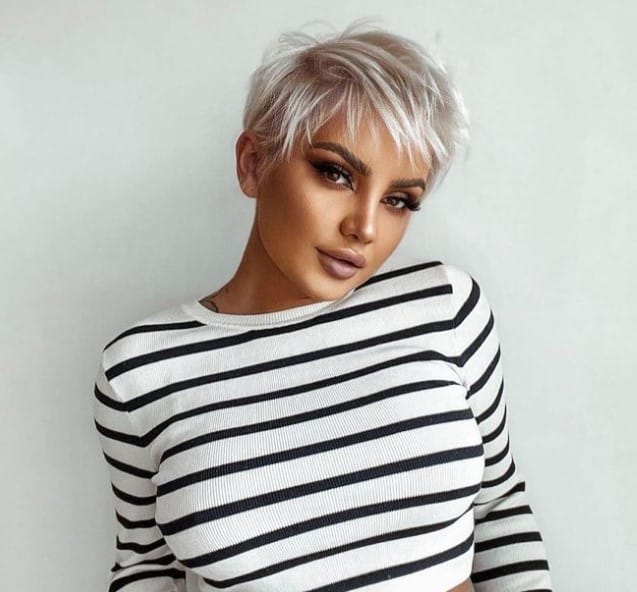
Pixie Haircuts For Thin Hair