The Ultimate Guide to the Shoulder Length Layered Bob: Precision, Texture, and Movement in Modern Hair Design
The Ultimate Guide to the Shoulder Length Layered Bob: Precision, Texture, and Movement in Modern Hair Design
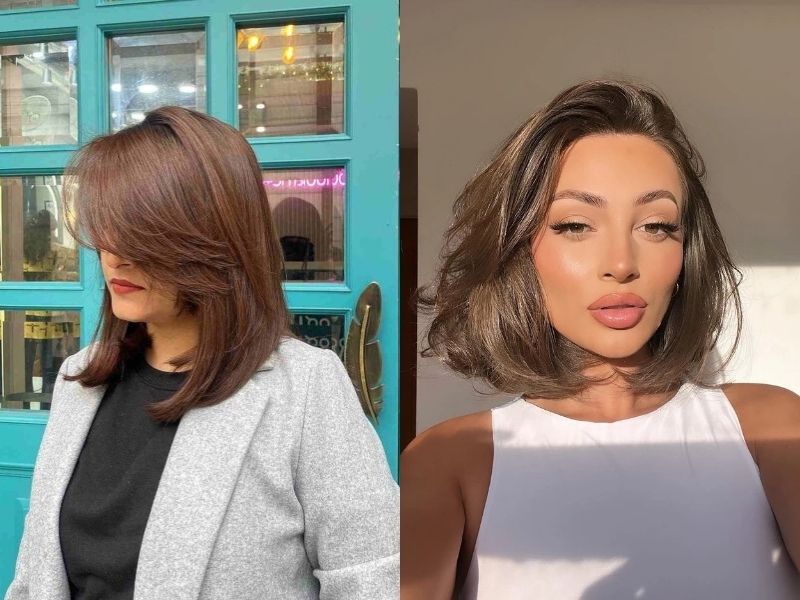
The shoulder length layered bob sits at the intersection of classic structure and contemporary movement, offering a versatile style that adapts to face shape, texture, and lifestyle. Defined by its intentional layering around the jawline and shoulder, this cut balances weight and air, creating shape without sacrificing thickness. Unlike blunt bobs, which rely on a single line, the layered version uses graduated graduation or face-framing pieces to soften features and enhance natural flow, making it a staple in modern salons worldwide.
The foundation of the shoulder length layered bob lies in its cut construction. In technical terms, it is a one-length base that transitions into graduated layers between the chin and shoulder, removing weight from the perimeter while maintaining overall density. Stylists often describe the ideal result as hair that moves with the wearer, offering a polished silhouette when still yet a soft, organic flick when in motion. The placement of the layers is determined by the client’s natural hair growth pattern and desired finish, which means no two shoulder bobs are identical even when measured to the same point.
A critical element of this style is the transition area, often called the 'arc' in professional circles. This is the section where the one-length base begins to graduate into softer, shorter layers around the face and nape. If the transition is too abrupt, the result can appear severe or choppy; if it is too subtle, the style may lack the defining lift and movement that make the shoulder bob so wearable. Precision in sectioning, elevation, and point cutting is essential to ensure a seamless shift from the weight of the hair to the airy finish.
Face shape plays a decisive role in the customization of the shoulder length layered bob. For clients with round faces, longer layers that extend past the jawline can elongate features, while side-swept bangs or asymmetrical fringes add balance. Those with square jawlines often benefit from softer, internal layers and subtle beveling around the perimeter to diffuse sharp angles. Stylists frequently adjust the angle of the front pieces, the depth of the nape graduation, and the width of the fringe to harmonize with the client’s bone structure rather than compete with it.
Hair texture significantly influences how the style behaves and how it is cut. Fine-haired clients often respond well to light, internal layering and subtle razor work, which creates the illusion of volume without sacrificing the overall shape. Conversely, those with thick, coarse hair may require more aggressive thinning and stronger graduation to prevent the bob from sitting too heavily on the neck. According to leading color and cut specialist Lena Torres, "The shoulder bob is a canvas for texture; you sculpt air into the hair, not just trim the ends." She notes that many clients assume the style will appear too severe, but with the right internal layering and motion design, it becomes one of the most forgiving and adaptable cuts in the salon.
Maintenance is another practical advantage of the shoulder length layered bob. With growth, the shape tends to remain recognizable longer than a blunt crop, reducing the frequency of salon visits for some. Home care is straightforward: a medium hold product, such as a cream or lightweight wax, enhances definition without creating crunch, while a round brush and blow-dryer help elongate the layers for a polished, salon-quality finish on non-appointment days. The style’s adaptability also extends to styling versatility, suiting everything from sleek, straight looks to loose, piece-y waves and pinned-back variations.
Color integration further elevates the shoulder length layered bob, with techniques such as balayage, foils, and lowlights enhancing the dimensionality created by the cut. Lighter tones around the face can brighten and open the features, while deeper tones through the mid-lengths add depth and structure. Multi-tonal approaches are particularly effective in this style, as they accentuate each layer and create a three-dimensional effect that moves naturally with the wearer. When executed correctly, color and cut work together to frame the face and enhance the client’s natural features rather than masking them.
Industry data suggests that the shoulder length bob remains one of the most requested shapes in professional salons, with a significant portion requesting some version of the layered variation. This popularity stems from its balance of manageability, style impact, and versatility across age groups and professional environments. Junior stylist Marco Lin, who focuses on precision cutting in a major metropolitan salon, explains, "Clients come in wanting something that feels modern but still professional. The shoulder layered bob hits that sweet spot—it’s intentional, but it has movement, which makes it feel current and alive."
As trends evolve, the shoulder length layered bob continues to adapt, incorporating elements such as disconnected layers, curtain bangs, and softer perimeter lines. These variations honor the core principles of the cut while allowing for greater individuality and self-expression. What remains constant is the technical skill required to execute the style with precision, the understanding of how layers interact with texture and growth patterns, and the ability to tailor the final shape to the individual wearing it. For those seeking a cut that offers both polish and flexibility, the shoulder length layered bob stands as a benchmark in contemporary hair design.
Related Post